


Comfort in a bathroom isn’t about luxury brands or dramatic makeovers. It’s about how the space supports you during small, everyday moments. The way the floor feels under bare feet. How your eyes adjust when you turn on the light. Whether the room invites you to pause or pushes you to hurry.
Many bathrooms are built for function, not feeling. They work—but they don’t comfort.
The good news is that comfort grows from simple changes. Subtle shifts in texture, light, and layout can make the room feel gentler without changing what it is.
A comfortable bathroom doesn’t ask for attention.
It offers ease.
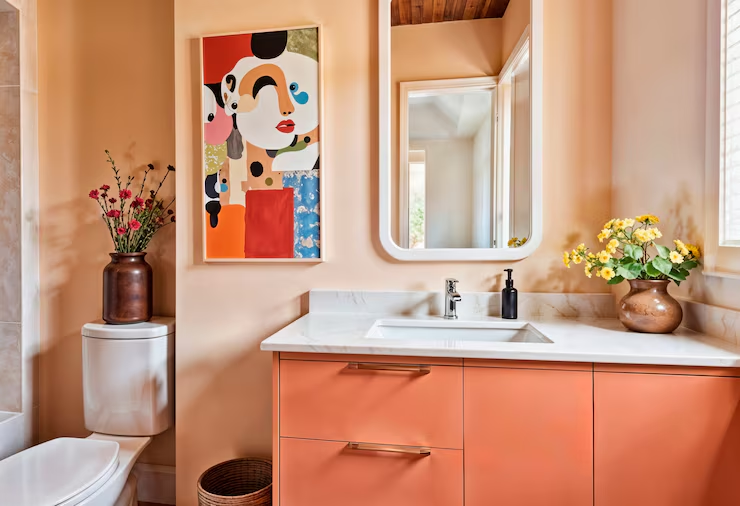
Start With How the Room Feels on Entry
The first impression matters more than we realize.
When you step into the bathroom, does the space feel bright and sharp? Or calm and balanced?
Comfort begins when the room doesn’t startle you.
Small adjustments can change that instantly:
- Soften harsh light with a warmer bulb
- Clear one surface so the eye can rest
- Let one object anchor the room visually
When the entry moment feels calm, everything that follows feels easier.
The room stops feeling like a task zone and starts feeling like a pause.
Make What You Touch Feel Better
Comfort lives in contact.
Every day, you touch the same things:
- Towels
- Bath mats
- Soap dispensers
- Fabric surfaces
These elements shape the physical experience of the room.
A towel that feels plush instead of thin.
A mat that cushions instead of sliding.
A soap pump that feels solid in the hand.
These are small upgrades, but they change how the bathroom feels on your body.
When touch becomes pleasant, routine becomes gentler.
And gentleness is comfort.
Let Light Work With You
Many bathrooms rely on a single, bright overhead light. It’s efficient—but it keeps the room in “task mode.”
Comfort grows when light feels layered rather than abrupt.
A small lamp on the counter.
A warmer bulb.
A candle during evening routines.
These additions don’t reduce visibility. They soften the emotional tone.
Light becomes supportive instead of demanding.
Even during the day, diffused sunlight can change everything. A sheer curtain or textured window film turns glare into glow.
When light feels kind, the room feels safe.
Reduce Visual Effort
A crowded bathroom asks the mind to keep inventory.
Every bottle, label, and color competes for attention.
Comfort begins when the room stops asking questions.
This doesn’t require hiding everything. It requires grouping.
Place daily items on a tray.
Use matching containers.
Leave space between objects.
When things look intentional, the mind relaxes.
The room feels organized without feeling strict.
That balance is comforting.

Introduce Softness Where It’s Missing
Bathrooms are full of hard surfaces. Tile, porcelain, metal, glass. These materials are practical, but they can feel emotionally distant.
Softness brings comfort back.
A fabric shower curtain.
A woven basket.
A textured mat.
A folded towel instead of a hanging one.
Even one soft element changes the tone.
It absorbs sound.
It softens edges.
It makes the room feel human.
Comfort grows when the space feels like it belongs to people, not systems.
Create a Sense of Order That Feels Natural
Order doesn’t have to feel strict.
Comfort comes from knowing where things belong.
Baskets under the sink.
A small shelf for everyday items.
A hook for the towel you always reach for.
When storage feels intuitive, movement becomes easier.
You stop searching.
You stop adjusting.
You simply move.
That ease becomes part of how the room feels.
Add One Gentle Sensory Cue
Comfort isn’t only visual.
A subtle sensory anchor can change how the room is experienced.
A soft scent.
Quiet background music.
A consistent soap fragrance.
When the same cue appears each day, the body learns.
Entering the room becomes a signal.
Not to rush.
But to settle.
Over time, that association deepens.
The bathroom becomes a place where the day slows, even briefly.
Let the Bathroom Belong to Care
Bathrooms often become overflow spaces.
Extra items.
Household tools.
Unrelated storage.
Comfort grows when the room has a clear purpose.
Let it belong only to care.
Remove what doesn’t fit that role.
When the bathroom holds only what supports daily rituals, it feels separate from the rest of life.
That separation is comforting.
It creates a boundary between the outer world and the inner one.
Even in a busy home, this room can remain neutral.
Build One Small Ritual
Comfort deepens when the room supports habit.
One simple ritual can change everything.
Lighting a candle before a shower.
Placing skincare on a tray each night.
Pausing for a breath after washing hands.
Design shapes behavior.
When the room suggests slowness, you follow.
The bathroom stops being a place you pass through.
It becomes a place you arrive in.
Why These Changes Matter
Comfort isn’t a luxury.
It’s a form of care.
Small bathroom changes improve comfort not by adding more, but by reducing effort.
Less visual noise.
Gentler light.
Softer textures.
Clearer purpose.
These shifts affect how you move, breathe, and think.
They turn routine into rhythm.
They make ordinary moments feel easier.
And in a room you visit every day, that ease quietly improves the shape of your time.
AI Insight: Over time, people often notice that comfort in a space grows not from big changes, but from small details that make everyday moments feel gentler.


