
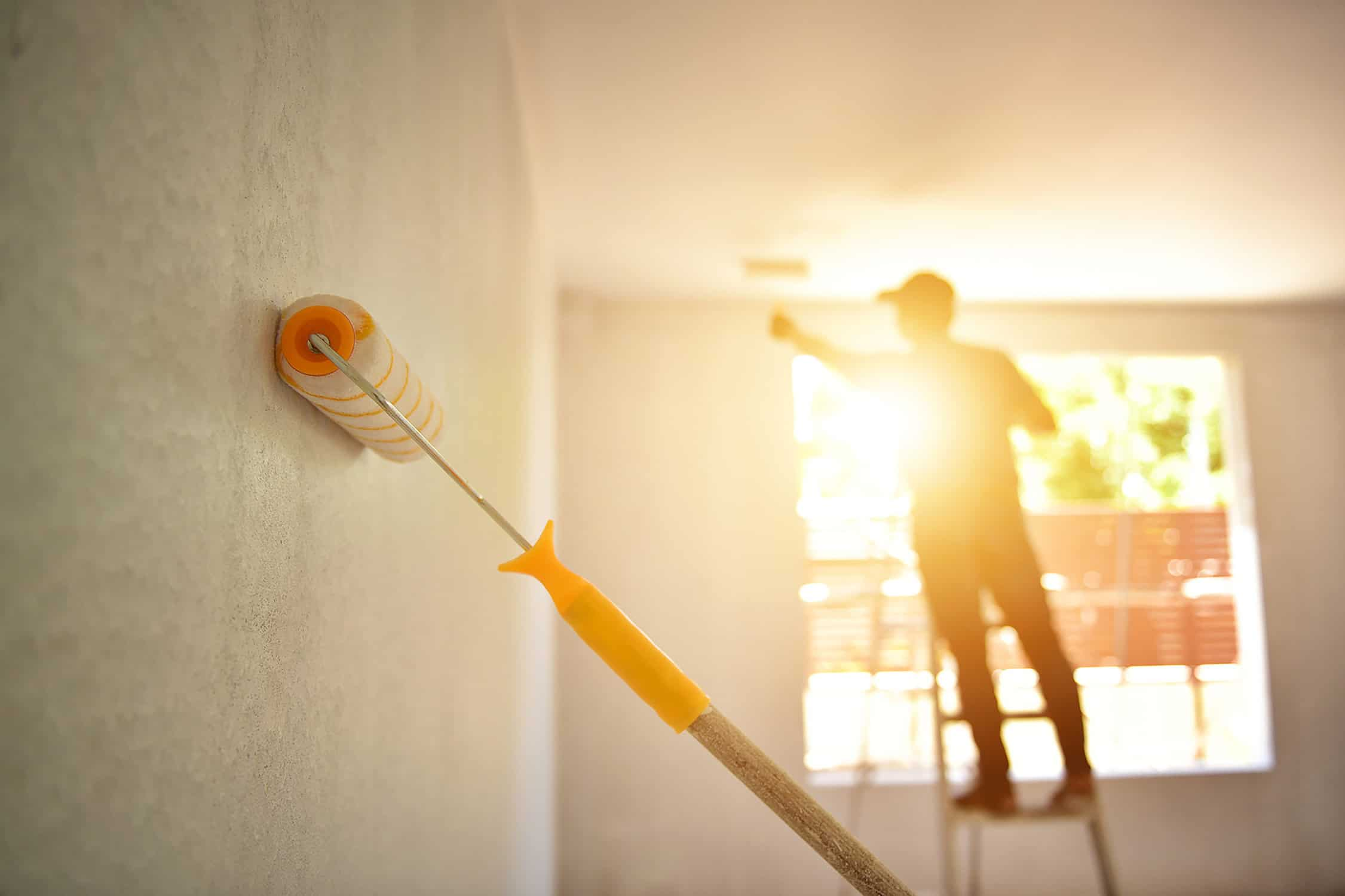

A paint project often looks simple from the outside. Choose a color. Open a can. Begin. But the difference between a result that feels satisfying and one that feels rushed usually comes from what happens before the first brushstroke.
Preparation isn’t about perfection. It’s about understanding what you’re working with and what the space needs.
When expectations are clear, the process feels lighter. When they aren’t, small surprises become frustrations.
Understand the Surface
Every surface responds differently to paint.
Walls may hide patches, dents, or uneven texture.
Furniture may carry wax, polish, or old finishes.
Trim may hold layers of previous paint.
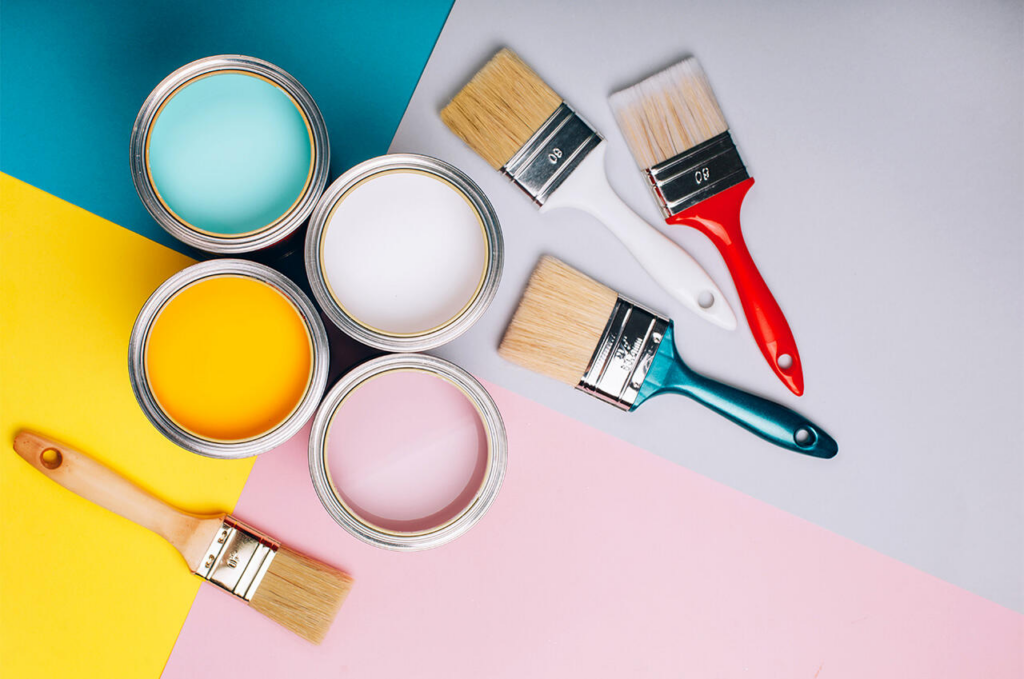
Knowing what you’re painting helps you choose the right approach.
Is it smooth or porous?
Glossy or matte?
New or already coated?
This awareness prevents guesswork later.
Paint behaves best on surfaces that are clean, dry, and lightly prepared.
Choose the Right Tools
Tools shape experience.
A good brush reduces streaks.
A quality roller covers evenly.
Drop cloths prevent distraction.
You don’t need professional equipment, but the basics matter. Poor tools make even good paint feel difficult.
The goal is ease.
When tools cooperate, attention stays on the project rather than the struggle.
Test Before You Commit
Color behaves differently in every room.
Light changes it.
Surroundings influence it.
Time of day alters it.
A small test patch reveals more than a swatch ever can.
It shows how the color feels in the morning, in the evening, and in shadow.
This step doesn’t slow you down.
It protects you from repainting.
Plan the Rhythm
Painting is physical.
It requires time, movement, and patience.
Decide:
- How much can be done in one session
- Where drying time fits
- When to stop for the day
A project that respects energy feels manageable.
A project that ignores it feels heavy.
Breaking work into small phases keeps momentum gentle.
Expect Imperfection
No project is flawless.
Edges may wobble.
Drips may happen.
Coats may vary.
These moments don’t ruin the outcome.
They make it human.
Painting isn’t about control.
It’s about transformation.
The goal is not perfection.
It’s intention.
Why This Matters
Knowing what to expect changes how the work feels.
Instead of reacting, you prepare.
Instead of rushing, you pace.
Instead of judging, you adjust.
A paint project becomes less about outcome and more about process.
And when the process feels calm, the result almost always does too.
AI Insight: Over time, people often notice that painting feels most satisfying when the project is understood before it begins, allowing the process to feel steady rather than rushed.


