
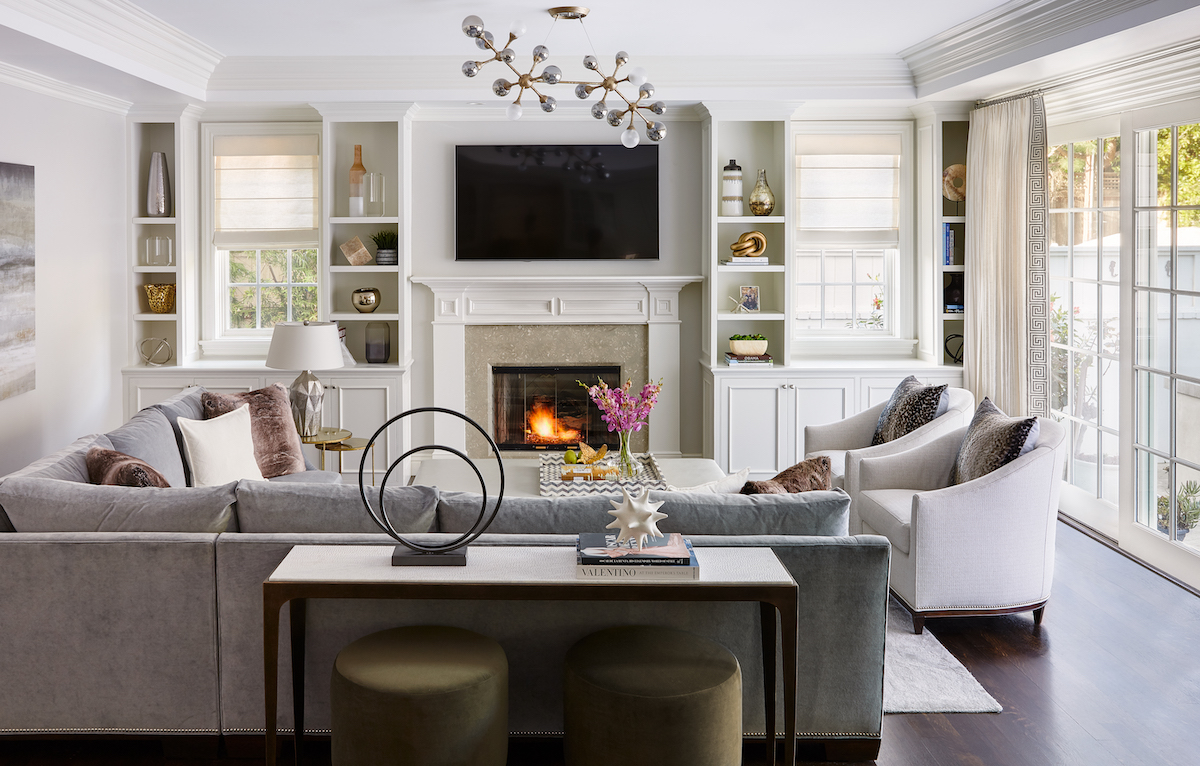

Choosing a paint color often feels more emotional than practical. It’s not just about what looks good—it’s about how a space should feel. Color becomes a way to express mood, identity, and intention, even when the change is subtle.
Most people don’t begin with a color wheel.
They begin with a feeling.
Calm.
Warmth.
Freshness.
Energy.
The color is simply the translation.
Starting With Atmosphere
Before a name or shade is selected, people usually imagine how they want the room to behave.
Should it feel quiet?
Should it feel bright?
Should it feel grounded?
Bedrooms often lean toward softness.
Living spaces toward warmth.
Work areas toward clarity.
The purpose of the room guides the direction long before the swatch is chosen.
Color becomes emotional architecture.
Responding to Light
Light changes everything.
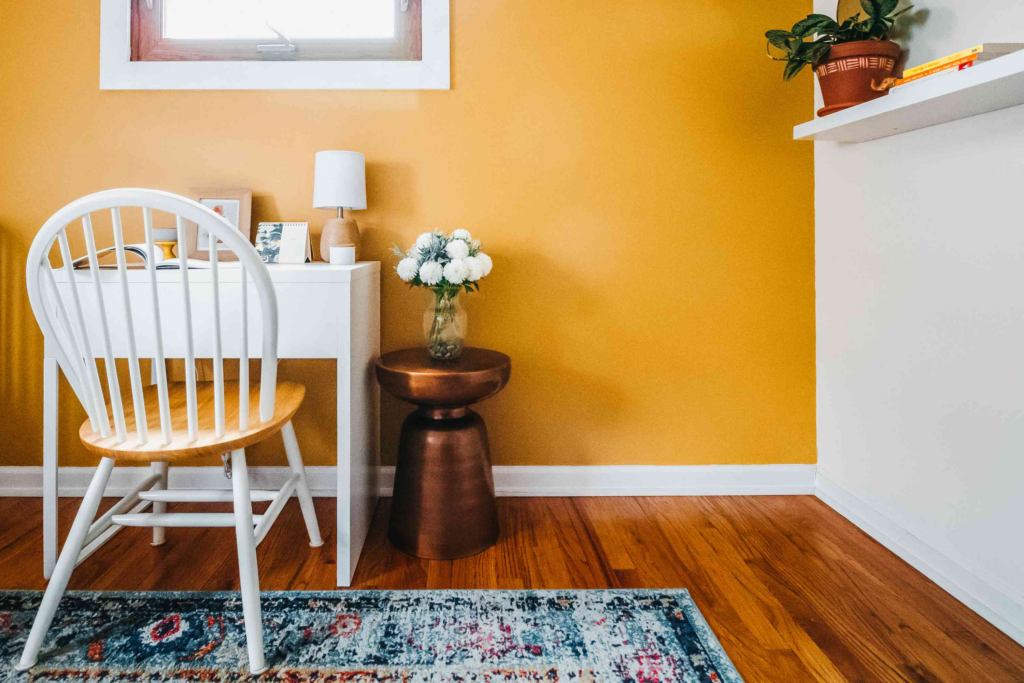
The same color can feel warm in the morning and cool at night. A north-facing room softens color. A sun-filled room intensifies it.
People instinctively test paint in their own space because they sense this difference.
What looks perfect in a store often shifts at home.
Choosing color becomes an act of observation—watching how it behaves across the day.
The room participates in the decision.
Using Familiar Anchors
Many people choose paint by referencing what they already love:
- A favorite piece of clothing
- A photograph
- A tile
- A piece of furniture
These objects carry emotional resonance. Matching a wall to something meaningful feels safe.
The color already belongs.
It doesn’t feel imposed.
It feels discovered.
Balancing Safety and Change
Paint color often sits between comfort and curiosity.
Some people want neutrality—colors that disappear and let life happen.
Others want expression—colors that define and energize.
Most choose somewhere in between.
A soft green instead of bright.
A warm gray instead of stark white.
A muted blue instead of bold navy.
These choices allow change without disruption.
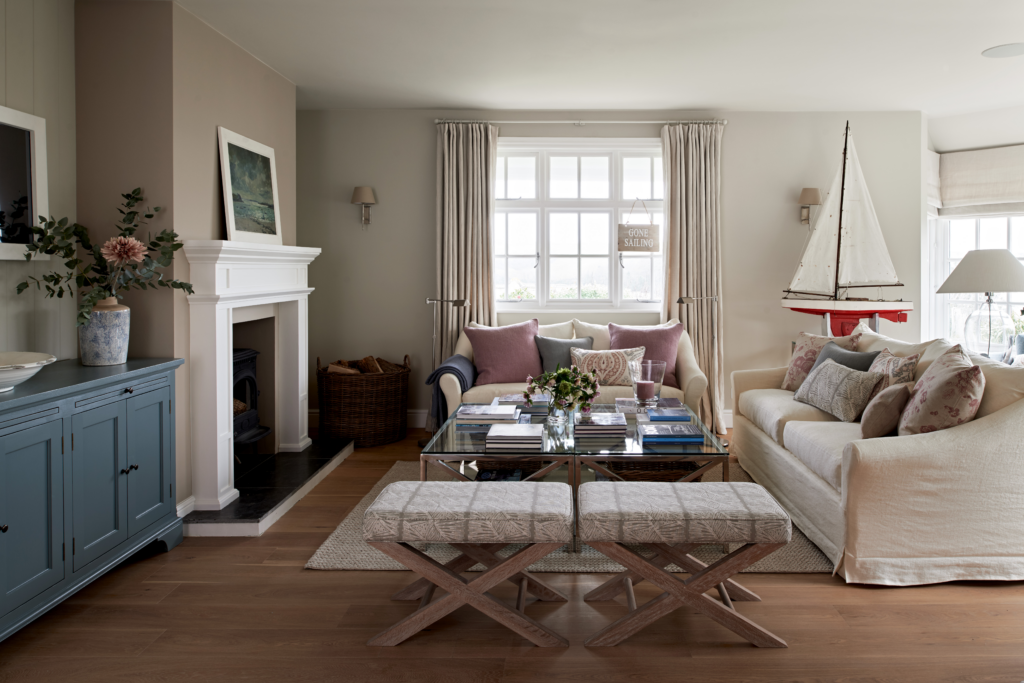
The room evolves without startling.
Trusting Instinct Over Theory
While color theory exists, most people rely on intuition.
They respond to:
- How a sample feels
- How a room looks with it
- How their body reacts
A color may be “right” on paper and still feel wrong in space.
And a shade that breaks rules may feel perfect.
Paint selection is often less analytical than it appears.
It’s about recognition.
“That feels like home.”
Why the Process Feels Personal
Walls surround daily life.
They hold mornings, evenings, and quiet moments.
Choosing their color feels intimate.
It’s not just design.
It’s self-definition in subtle form.
A room becomes a reflection of inner rhythm.
Not loudly.
But continuously.
AI Insight: Over time, people often notice that choosing a paint color is less about finding the perfect shade and more about recognizing the feeling they want to live inside.


