
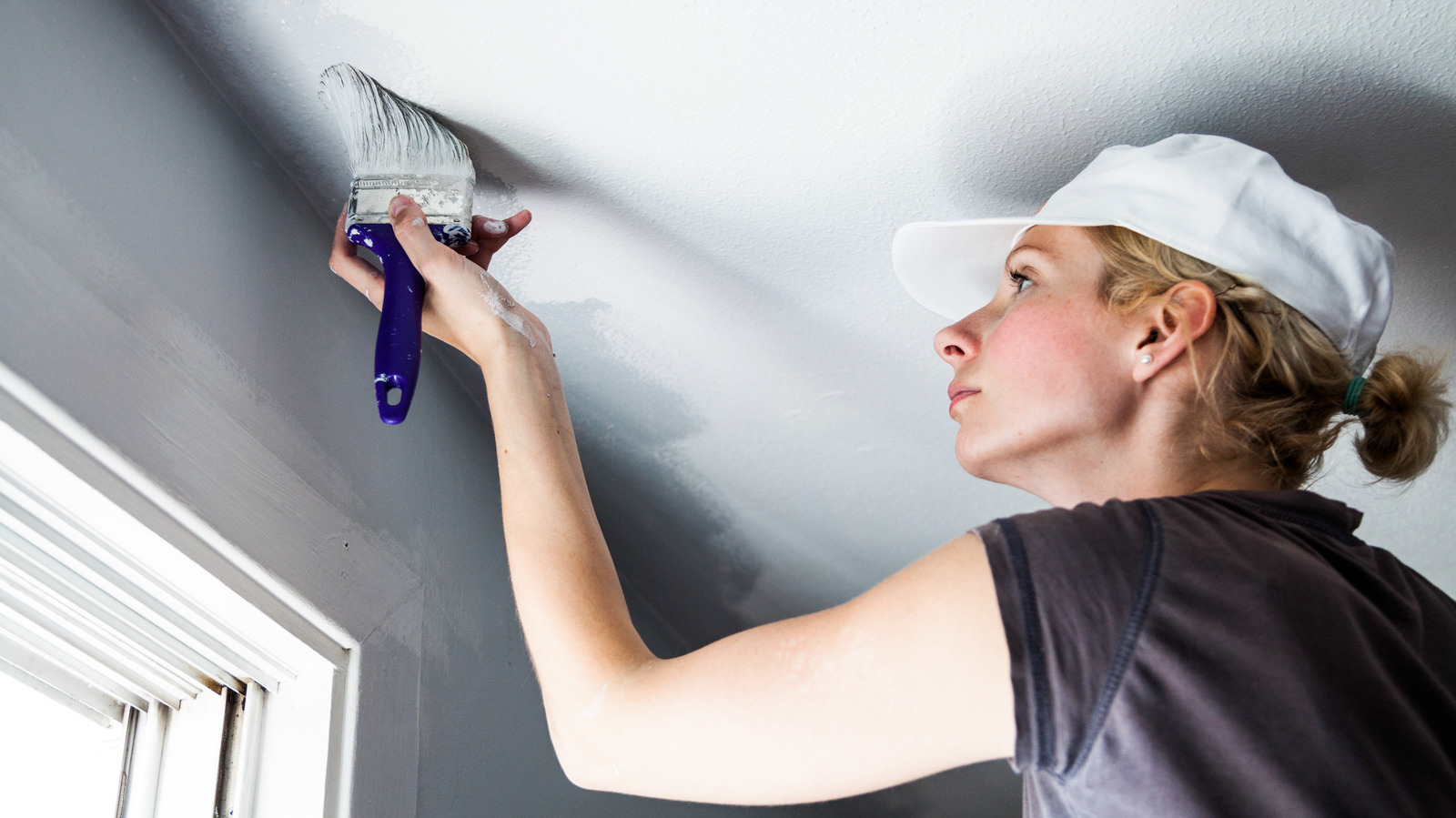

Clean lines are what make a paint project look intentional rather than rushed. They’re the difference between “painted” and “finished.” Even a simple color can feel refined when edges are sharp and transitions are clear.
The good news is that clean lines aren’t about having a perfect hand. They’re about creating the right conditions before the brush ever touches the wall.
Start With a Prepared Edge
Paint follows surfaces. If an edge is dusty, uneven, or textured, the line will never look crisp.
Before painting:
- Wipe edges clean
- Lightly sand rough spots
- Fill gaps where trim meets wall
A smooth boundary gives paint something precise to follow.
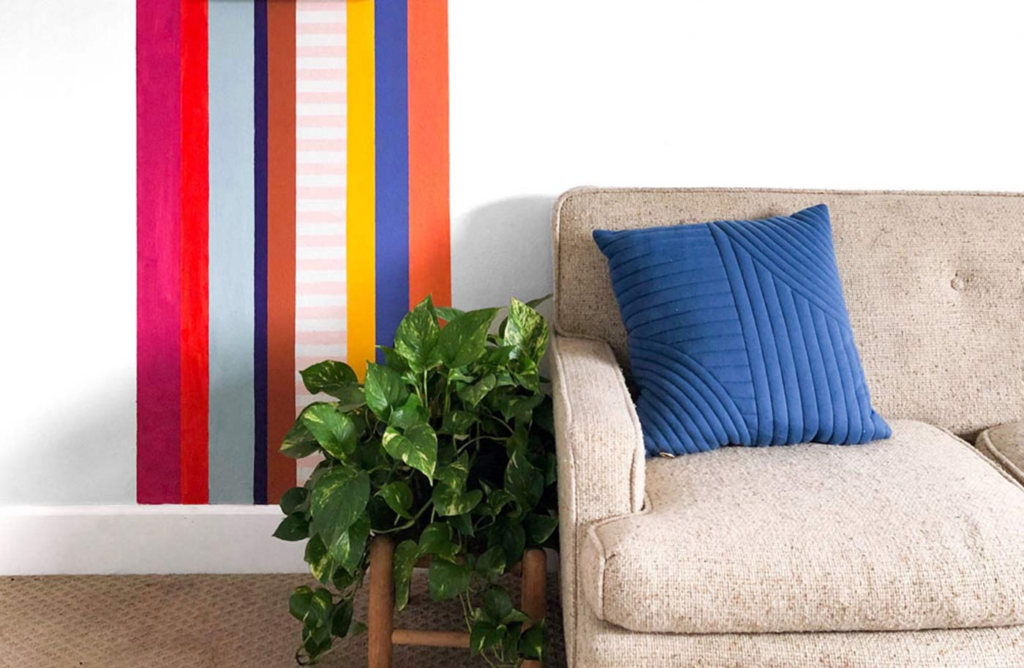
Use Tape as a Guide, Not a Crutch
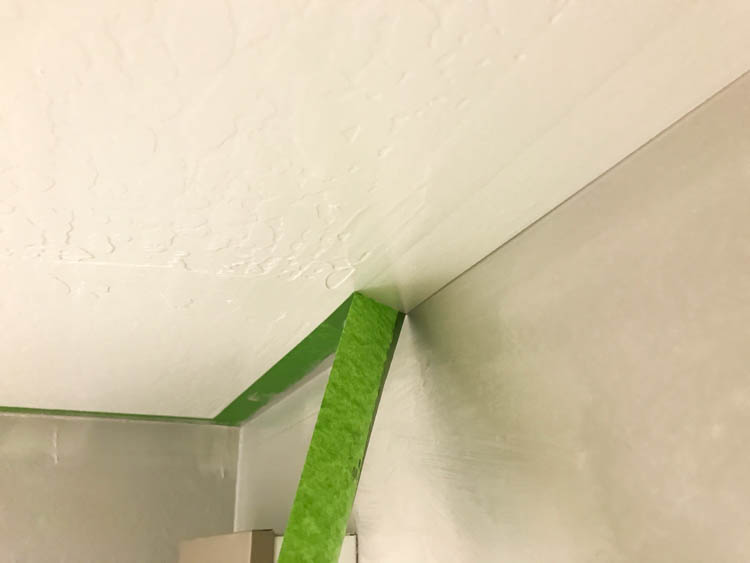
Painter’s tape works best when it reinforces an already clean edge.
Apply it slowly, pressing it firmly along the boundary. Run a fingertip or a plastic card over the edge to seal it. This prevents paint from bleeding underneath.
For extra precision, brush a thin layer of the base color over the tape edge first. This seals any gaps. When the new color goes on, it can’t seep through.
The line forms itself.
Don’t Overload the Brush
Heavy paint pools at edges and creeps under tape.
Instead:
- Load lightly
- Remove excess on the tray
- Use steady, controlled strokes
Thin layers give you control. Two light passes create a sharper edge than one heavy one.
Pull Away From the Line
When painting next to tape or trim, pull the brush away from the edge rather than pushing into it. This keeps paint from being forced under the boundary.
Think of guiding the paint, not pressing it.
Remove Tape at the Right Time
Wait until the paint is dry to the touch but not fully cured. Slowly peel the tape back on itself at a shallow angle.
This prevents tearing and keeps the edge crisp.
If paint has dried hard, lightly score the line with a craft knife before removing the tape.
Why This Works
Clean lines aren’t created by precision alone. They’re created by preparation, restraint, and timing.
When edges are prepared, paint behaves.
When layers are light, control increases.
When tape is used thoughtfully, lines define themselves.
The result doesn’t look careful.
It looks natural.
And that’s what makes it feel finished.
AI Insight: Over time, people often notice that the sharpest paint lines come not from a steadier hand, but from the quiet steps taken before the first stroke is made.


