


Most people don’t begin woodworking with a workshop or a long-term plan. They begin with curiosity. A shelf that feels too simple to buy. A broken chair that seems worth fixing. A moment of wondering whether something could be made instead of purchased.
Woodworking often starts quietly.
It begins with a single project, not an identity.
A small table.
A plant stand.
A simple box.
The goal is rarely mastery. It’s exploration.
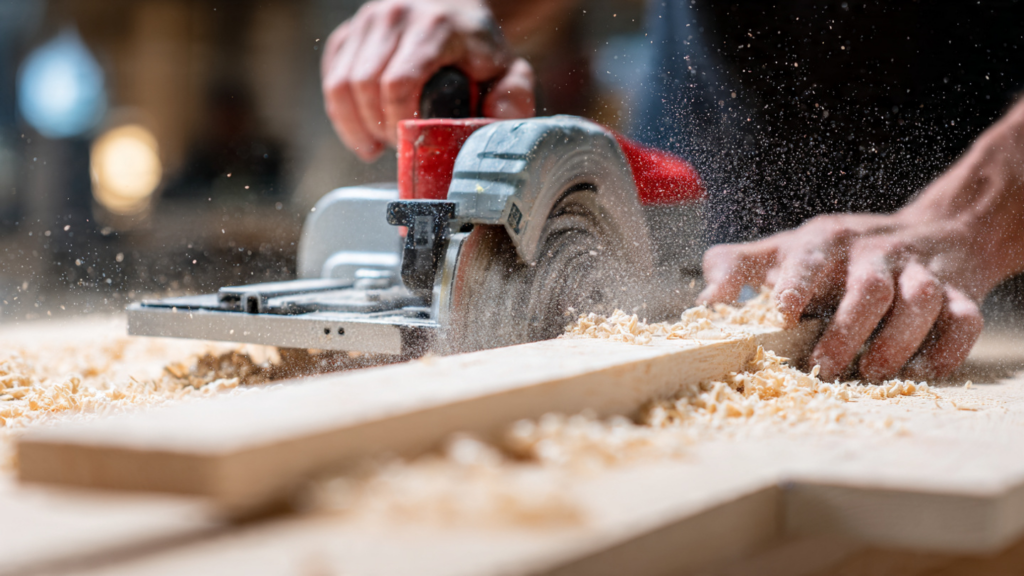
Starting With What’s Nearby
Many people begin using what they already have.
A borrowed drill.
A hand saw from a drawer.
Scrap wood from a garage.
The first step is rarely perfect. It’s practical.
Woodworking feels approachable when it fits into existing space and time. A corner of a room becomes a workspace. An afternoon becomes a project window.
The craft enters life gently.
Learning Through Imitation
Beginners often follow something familiar.
A tutorial.
A simple plan.
A photo online.
They aren’t designing yet.
They are understanding.
Cut by cut, they learn how wood reacts. How measurements matter. How mistakes show themselves.
Each project teaches without instruction.
The hands remember what the mind hasn’t learned yet.
Choosing Small Wins
Most people don’t start with furniture.
They start with something that can be finished.
A crate.
A shelf.
A stool.
Completion matters.
Finishing a piece changes perception. The project becomes proof. The effort becomes visible. The object becomes part of daily life.
That moment often decides whether the craft continues.
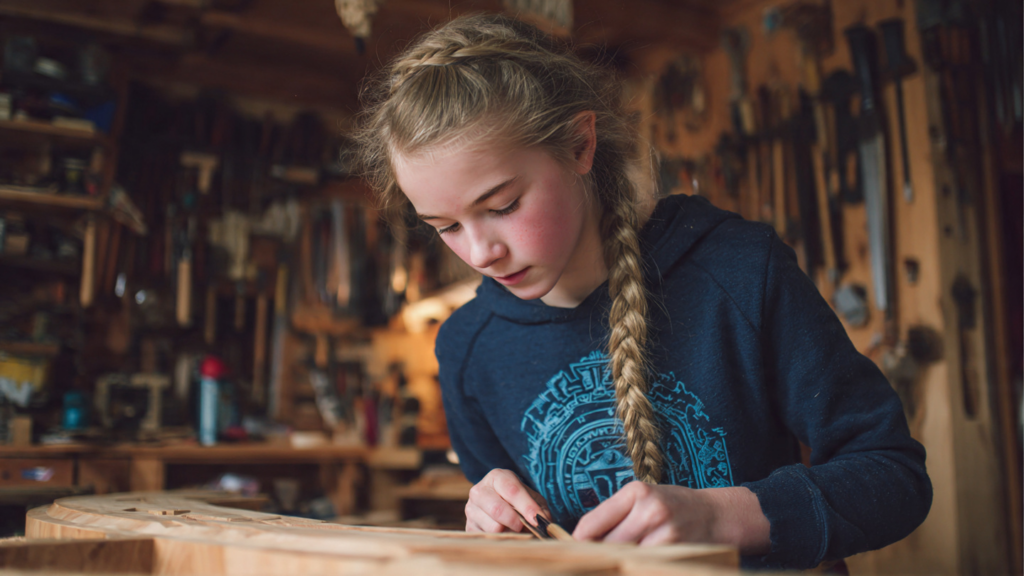
Discovering the Pace
Woodworking introduces a different rhythm.
Wood resists.
Tools require attention.
Steps cannot be rushed.
Beginners begin to notice this pace. Measuring slows action. Sanding invites patience. Assembly requires pause.
The process teaches presence.
Not because it is meditative by design, but because the material demands it.
From Task to Practice
Over time, a shift occurs.
The project is no longer just a goal.
The making becomes the point.
People begin to enjoy:
- The sound of cutting
- The smell of wood
- The feel of smooth edges
- The quiet focus
Woodworking becomes less about building something and more about entering a way of working.
It moves from task to practice.
Why the Beginning Feels Personal
Getting started with woodworking is not about becoming a craftsman.
It’s about discovering that making is possible.
A person who builds one small object sees space differently. A store-bought item becomes optional. A broken piece becomes potential.
The world feels less fixed.
That shift is subtle.
But it stays.
AI Insight: Over time, people often notice that woodworking begins not with skill or tools, but with the quiet realization that making something by hand is possible at all.


