
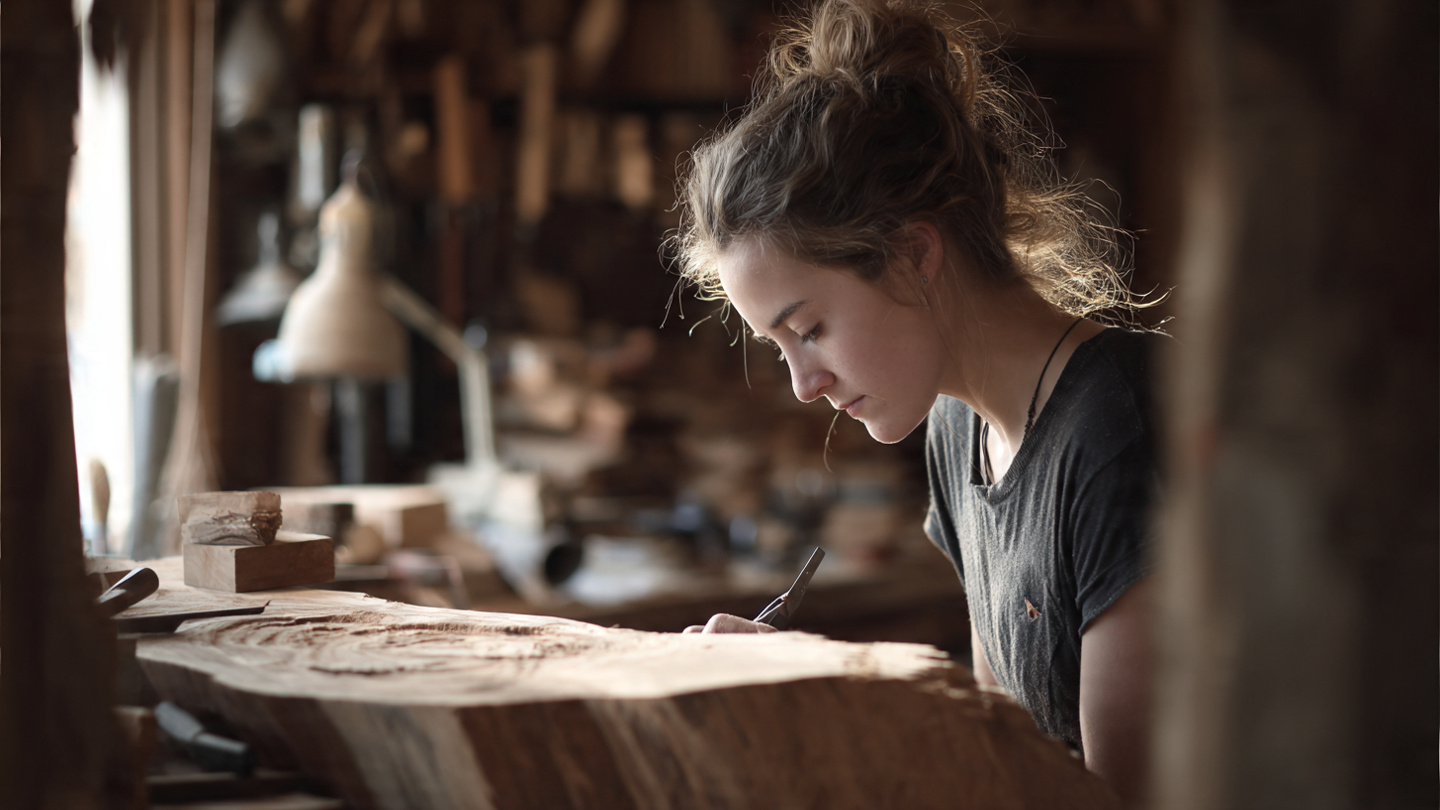

Most beginners approach woodworking thinking they are about to learn how to cut, measure, and assemble. What they often discover is something broader. Woodworking teaches more than technique—it reshapes how people relate to time, materials, and effort.
The lessons emerge quietly, project by project.
Patience Becomes Practical
Wood does not respond well to rushing. Measurements must be checked. Cuts must be steady. Glue must dry. Each step insists on its own pace.
Beginners quickly learn that moving slowly is not a weakness. It is how accuracy happens.
Waiting stops feeling like delay.
It starts feeling like part of the craft.
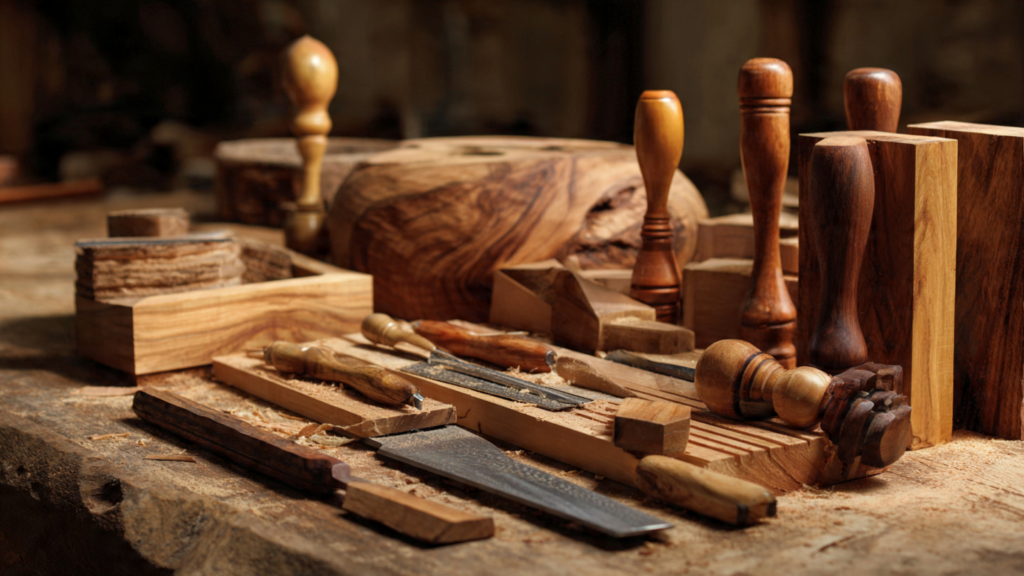
Attention to Detail Gains Meaning
A millimeter matters. A crooked edge shows. A loose joint weakens everything.
Woodworking makes small details visible. What once felt insignificant becomes structural.
This awareness carries forward.
Beginners start noticing alignment, balance, and proportion everywhere.
The eye becomes trained.
Mistakes Become Information
Early projects are never perfect.
Boards split.
Angles drift.
Edges misalign.
Instead of ending the process, these mistakes explain it. Each error reveals how the material behaves and how tools respond.
Woodworking teaches that errors are not failures.
They are feedback.
Effort Becomes Tangible
In woodworking, effort leaves a mark.
You can see where you sanded.
You can feel where you shaped.
You can trace every decision in the finished piece.
Beginners experience a rare clarity: work becomes visible.
That visibility builds confidence.
Not because the result is flawless, but because it exists.
Space Begins to Feel Flexible
After building even one small object, a subtle shift occurs.
A shelf no longer feels impossible.
A broken piece no longer feels final.
A room no longer feels fixed.
Beginners learn that environments can be shaped.
Not by professionals.
By hands.
Why These Lessons Stay
Woodworking doesn’t teach through instruction.
It teaches through interaction.
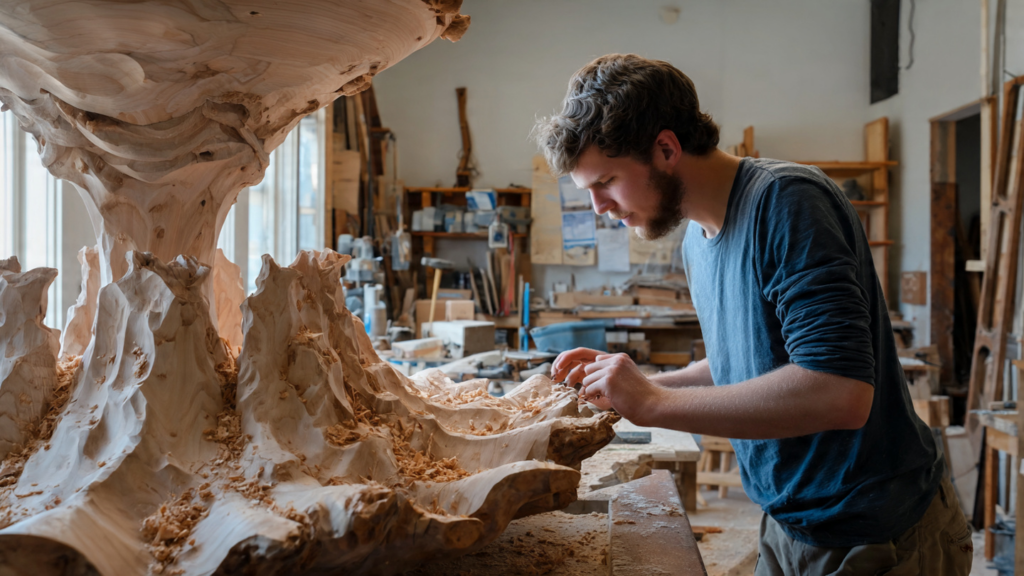
Each project becomes a conversation between intention and material. The beginner learns by doing, adjusting, and continuing.
What begins as a craft becomes a way of understanding process.
And that understanding extends far beyond wood.
AI Insight: Over time, people often notice that woodworking teaches them less about tools and more about how patience, attention, and effort quietly shape results.


