
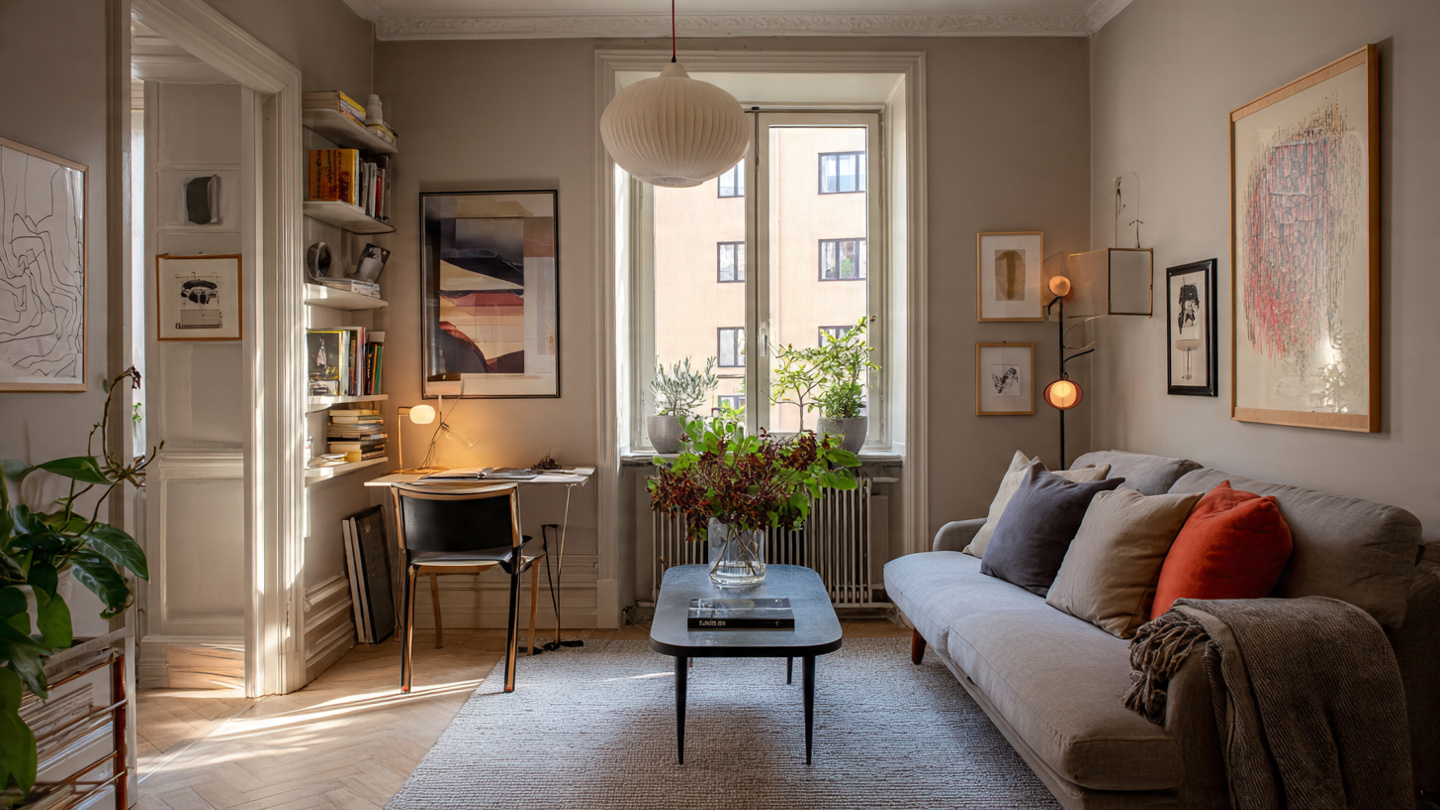

Small apartments don’t lack space—they lack permission. Walls can’t be altered. Shelves can’t be mounted. Hooks can’t be screwed in. Over time, this turns into clutter, not because there’s too much, but because there are too few places for things to belong.
No-drill solutions change how small spaces behave.
They allow rooms to grow upward, inward, and around daily life—without leaving a mark.
Use Vertical Space Without Touching Walls
When square footage is limited, height becomes opportunity.
Adhesive hooks
Stick-on shelves
Over-the-door racks
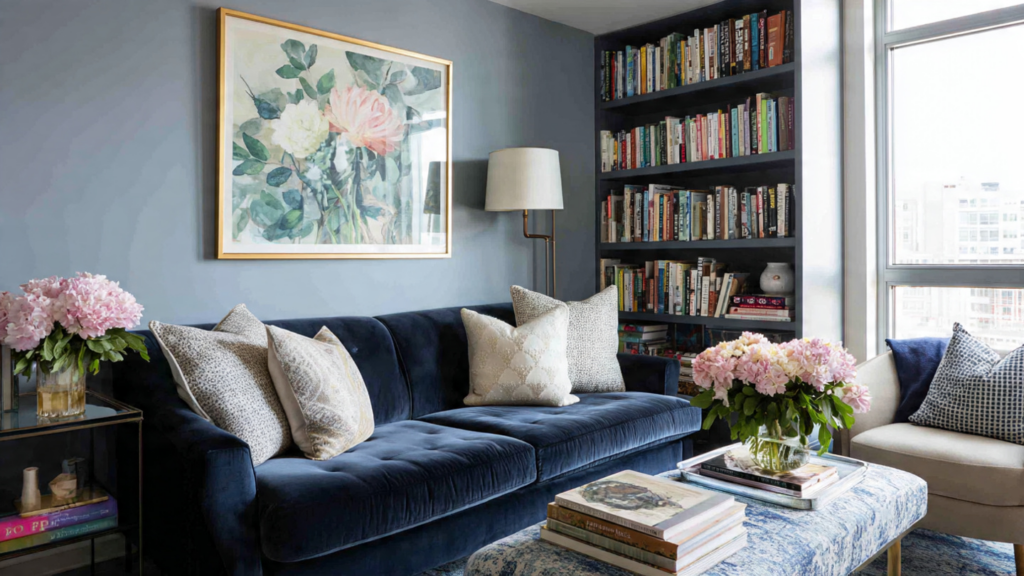
These tools lift items off counters and floors. Towels leave sinks. Bags leave chairs. Everyday objects rise into routines.
The apartment doesn’t get bigger.
But it feels lighter.
Let Doors Become Storage Zones
Doors are often ignored surfaces.
Over-the-door organizers transform them into:
- Shoe storage
- Pantry extensions
- Bathroom racks
- Entryway systems
They add function without claiming floor space.
The door closes.
The clutter disappears.
It’s storage that hides in plain sight.
Create Structure With Tension
Tension rods work where walls can’t.
Under sinks for cleaning supplies
In closets for extra hanging space
Between walls for light shelving
In showers for baskets
They turn empty gaps into usable zones.
Nothing is installed.
Yet the room gains architecture.
Choose Furniture That Stores
In small apartments, furniture must earn its place.
Beds with drawers
Ottomans that open
Benches with compartments
Slim shelving units
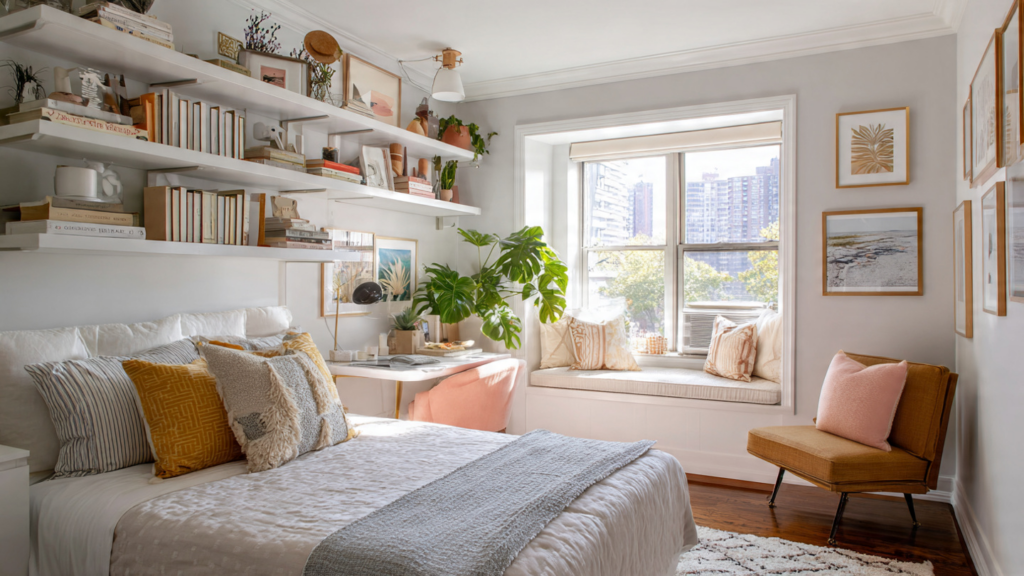
These pieces replace built-ins.
They store without attaching.
They organize without altering.
The room becomes layered instead of crowded.
Use Soft Systems
Baskets, bins, and trays create order without fixing anything in place.
They:
- Group items
- Define zones
- Move easily
Placed under beds, beside sofas, or inside closets, they let the apartment adapt.
Nothing becomes rigid.
Everything remains flexible.
Why These Ideas Work
Small apartments feel cramped when everything competes for the same surfaces. No-drill solutions redistribute that pressure.
Items lift.
Zones emerge.
Movement simplifies.
The space stops feeling tight.
It starts feeling intentional.
AI Insight: In small homes, rooms often feel larger not when space is added, but when everyday items finally stop competing for the same few surfaces.


