
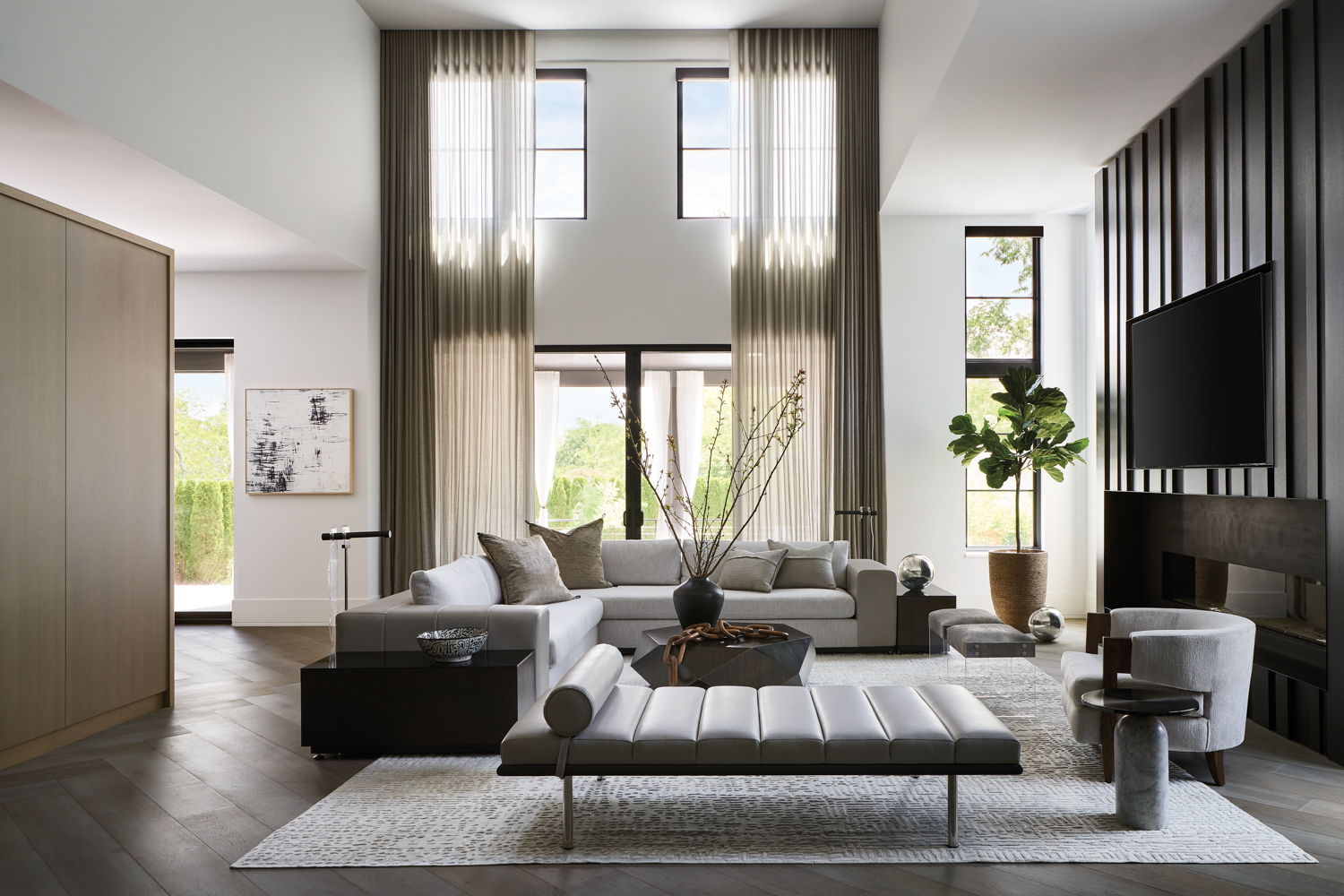
A living room rarely changes all at once. It shifts in small ways—one lamp moved, a curtain replaced, a heater turned down. Over time, digital tools have begun to join these quiet adjustments, shaping how rooms feel without demanding attention.
In interior spaces, technology now works less like a gadget and more like a background presence. Sensors, smart lighting, and adaptive climate controls are woven into walls, ceilings, and everyday routines. They influence comfort and flow while remaining largely invisible.
✨ AI Insight:
As homes filled with connected devices, software began learning simple patterns—when lights are used, when rooms warm up, when people move through spaces—making small adjustments that feel more like habit than automation.
The Room as a System
Traditional interiors were static. A room was designed, furnished, and then largely fixed until the next renovation. Today, many spaces behave more like systems. A bedroom adjusts light warmth as evening approaches. A hallway brightens briefly when someone passes through. A workspace holds steady at a comfortable temperature throughout the day.
These changes do not transform a home’s style or character. They refine how it responds. Instead of asking residents to adapt to the room, the room adapts to daily rhythms. This shift is subtle, but it alters how people experience familiar spaces.
Rather than adding visual complexity, most of these tools aim to reduce friction. Switches remain on walls. Lamps still look like lamps. The intelligence sits behind the scenes, guiding behavior in small, nearly unnoticeable ways.
Light That Matches the Moment
Lighting is often the first place this shift becomes visible. Smart bulbs and adaptive fixtures now appear in homes that would never be described as “tech-forward.” They are chosen not for novelty, but for how naturally they fit into daily life.
Morning light can brighten gradually, mimicking the slow lift of daylight through a window. In the evening, the same fixtures soften without anyone reaching for a dimmer. Over time, these changes feel less like settings and more like the room’s personality.
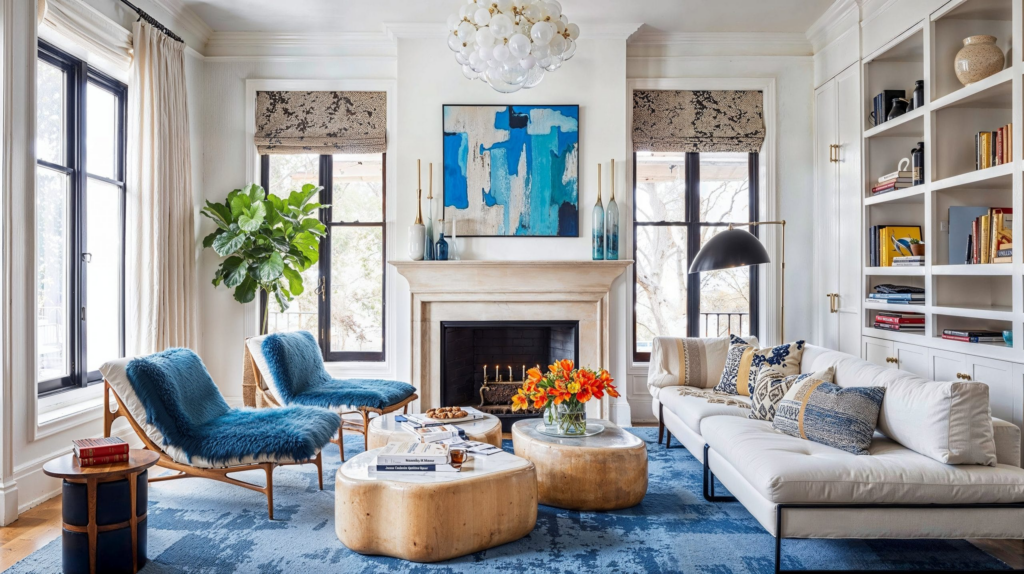
The effect on interiors is gentle but meaningful. Warm light in the evening makes a space feel settled. Cooler light during the day keeps colors true and work surfaces clear. Rooms retain their design identity while becoming more responsive to time and use.
Designers increasingly treat lighting as a dynamic layer, not a fixed element. The lamp remains decorative. The light itself becomes flexible.
Temperature Without Thought
Heating and cooling once defined a home’s relationship with technology. Thermostats were visible, manual, and often ignored until discomfort set in. Modern systems now operate with less direct input.
Temperature changes track presence and time. A bedroom stays cooler during sleeping hours. A kitchen warms slightly during breakfast routines. These shifts happen without manual intervention, guided by patterns rather than constant instruction.
The interior impact is psychological as much as physical. A room that is consistently comfortable fades into the background. Attention moves away from the environment and back to activity. Comfort becomes part of the room’s character instead of a separate concern.
This quiet consistency changes how people move through their homes. Fewer adjustments. Fewer interruptions. The space feels more stable.
Motion and Presence
Small sensors now shape how rooms behave when occupied. Hallways light briefly. Bathrooms prepare themselves before anyone reaches for a switch. Closets illuminate only when opened.
These behaviors reduce visual clutter. Fewer switches, fewer always-on fixtures, fewer moments of fumbling in the dark. The room appears simpler, even though more is happening behind the scenes.
The technology does not ask for attention. It responds to presence and then recedes. Over time, this builds a sense that the space is attentive without being intrusive.
This responsiveness also changes how interiors are designed. Transitional spaces—corridors, stairwells, entryways—gain new importance. They become active participants in the home’s flow rather than neutral gaps between rooms.
Sound, Air, and Background Comfort
Beyond light and temperature, interiors now manage quieter elements. Air purifiers adjust themselves when a room fills. Fans respond to humidity. Speakers lower volume when conversation begins.
These changes rarely draw notice. They work in the margins of awareness, shaping atmosphere rather than behavior. A room feels calmer. Background noise recedes. Air feels fresher without obvious intervention.
The interior becomes less about control and more about continuity. Instead of responding to discomfort, the environment works to prevent it. This alters how people relate to space. Comfort becomes assumed rather than earned.
Design adapts accordingly. Devices hide in ceilings, behind vents, or within furniture. The visible surface of the room remains human and tactile.
Living With Invisible Systems
One of the most significant shifts is psychological. When a home responds automatically, people stop thinking about it as a collection of devices. It becomes a setting that behaves consistently.
This changes habits. Lights are no longer switched off with intention. Temperature is no longer debated. Rooms become predictable in their behavior, allowing routines to form around them.
The interior feels steadier. Mornings unfold with fewer small decisions. Evenings settle without adjustment. These are not dramatic improvements, but cumulative ones.
Over months and years, this stability reshapes how people inhabit space. The home feels more aligned with daily rhythm.
Design Without Display
Early smart homes often made their technology visible. Screens, hubs, and panels were part of the aesthetic. Contemporary interiors move in the opposite direction.
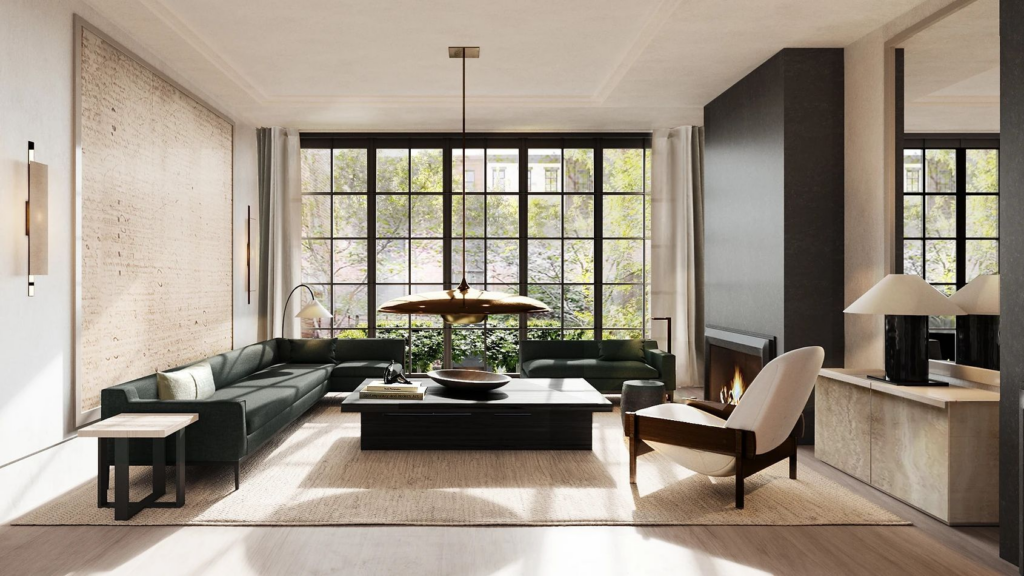
The goal is integration, not display. Controls migrate to phones or fade entirely. The room itself remains the focus. Wood, fabric, and light define the space, not interfaces.
This approach aligns with how people actually live. A living room is still for reading, conversation, and rest. Technology supports those uses rather than advertising itself.
The most successful implementations are rarely noticed. Visitors may feel that a home is calm or well-balanced without identifying why.
Why It Matters
Interior spaces shape daily mood more than most people realize. Small comforts accumulate into a sense of ease or friction. When rooms quietly handle light, temperature, and background conditions, attention stays on living rather than managing.
These systems do not replace design. They extend it. They allow spaces to remain visually simple while becoming functionally responsive. Over time, this reduces mental load and preserves the character of the home.
The value lies not in novelty, but in consistency. A room that behaves reliably becomes easier to inhabit.
As technology settles into walls and ceilings, it stops feeling like a feature. It becomes part of how a space works.
Homes have always evolved alongside tools. Fireplaces became radiators. Windows gained insulation. Light switches replaced candles. Each change reshaped interiors in quiet ways.
Today’s systems follow the same pattern. They do not redefine what a room is. They refine how it supports everyday life. The living room remains a living room. It simply knows when to soften its light.
This is not a dramatic transformation. It is an accumulation of small adjustments, layered over time. The result is a home that feels more attentive without feeling mechanical.
The future of interiors is not louder or brighter. It is calmer, steadier, and easier to live within.