
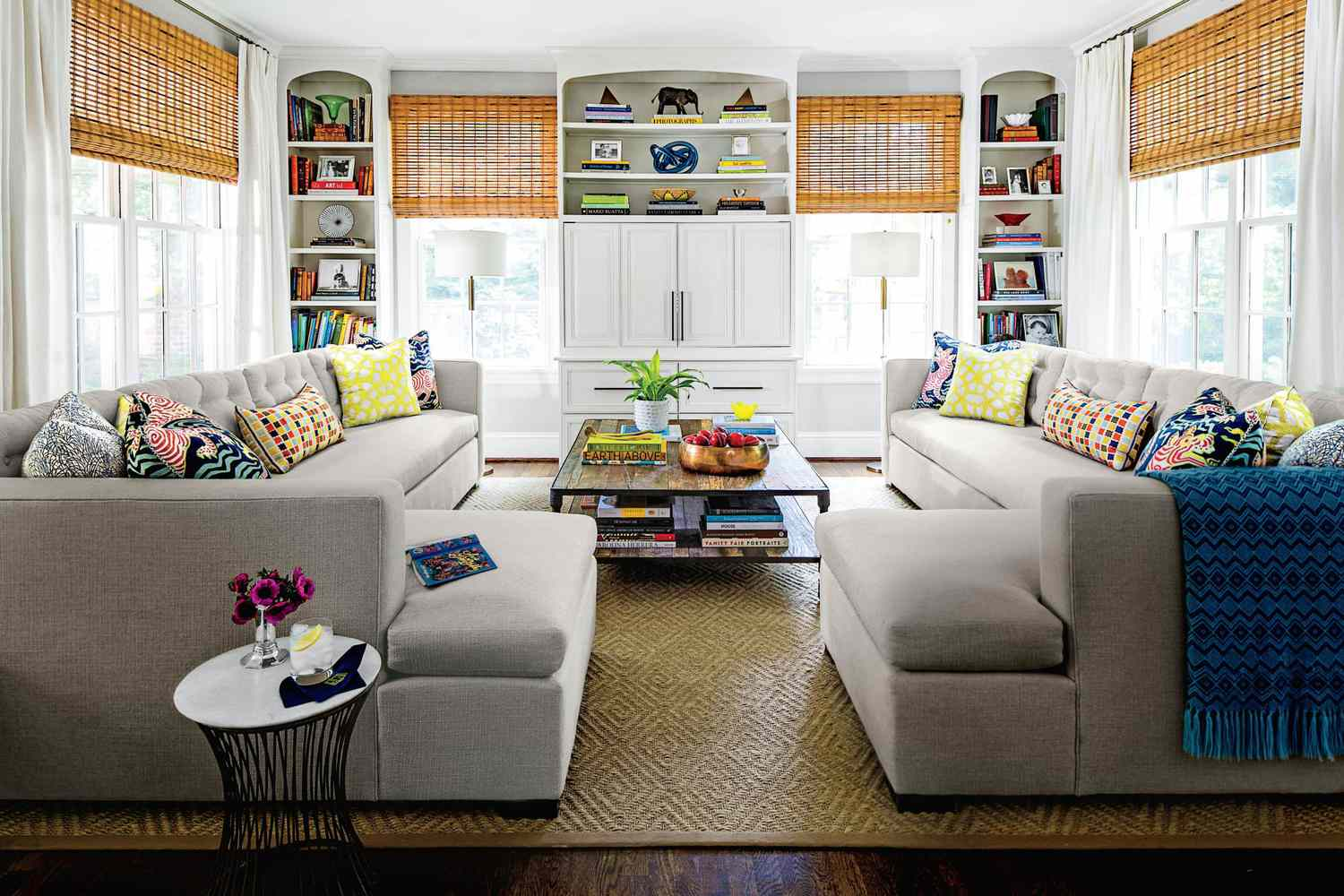

The living room is where family life quietly settles.
It’s where people gather without planning to, where conversations drift in and out, and where the day slowly softens in the evening. Because it’s used so often, it’s easy to overlook how much this room influences daily mood.
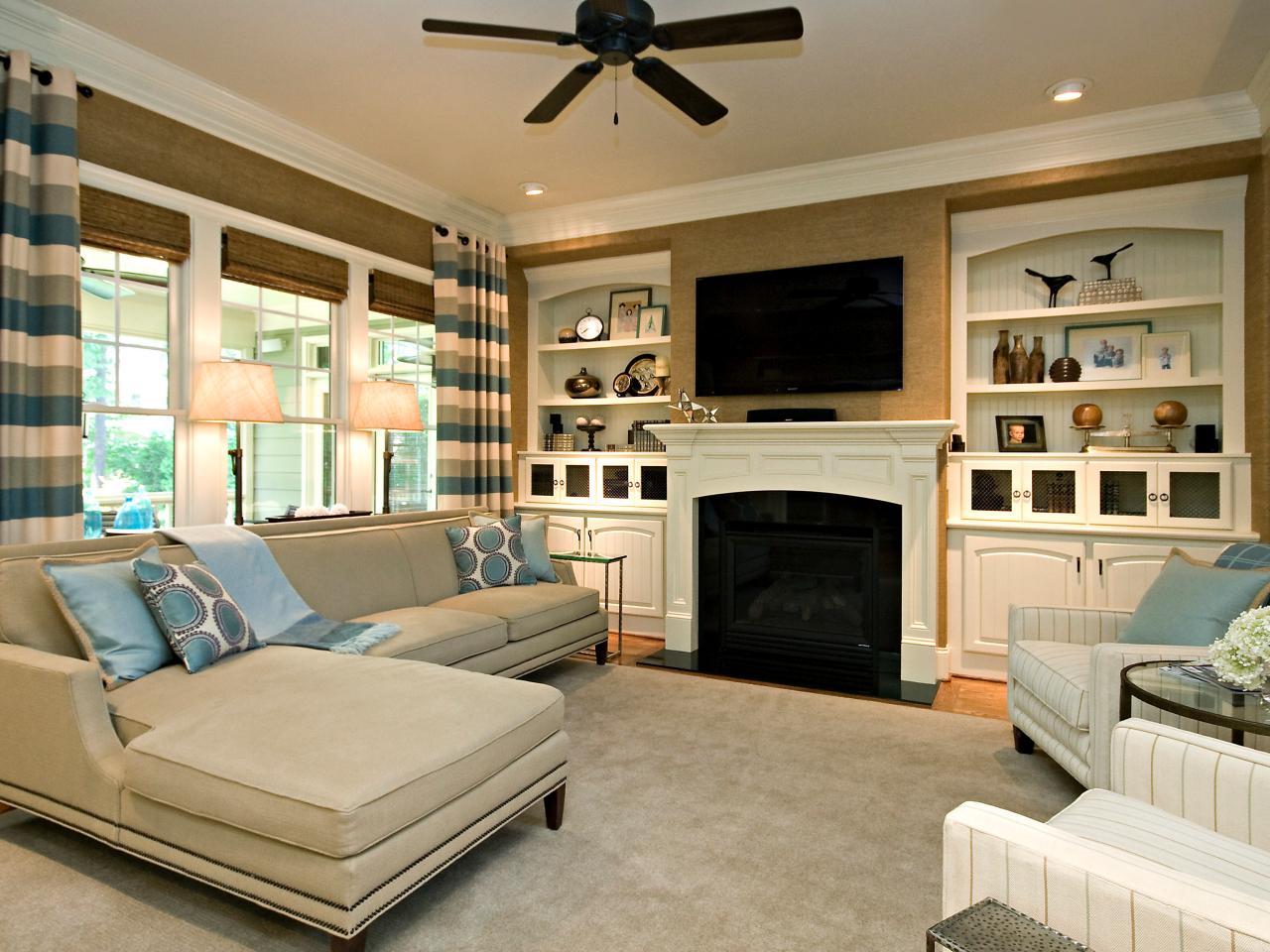
Many families notice that when their living room feels easier to be in, the rest of the day feels lighter too. Not because the room looks different, but because it stops creating small, constant friction.
These changes are rarely big or obvious. They’re quiet shifts that affect how the space feels to move through, sit in, and return to again and again.
One of the first things people notice is how the room feels when they enter it.
Clear pathways and a simpler layout allow the body to relax. There’s less sidestepping, less adjusting, less unconscious tension. Sitting down feels natural rather than deliberate.
The room begins to feel like a place to land, not navigate.
Furniture placement plays a larger role than most families expect.
When seating supports conversation and comfort, people tend to stay longer. They sit instead of standing. They linger instead of passing through. Small layout changes can invite togetherness without anyone intending to create it.
Visual calm makes a noticeable difference as well.
When shelves, corners, and walls feel less busy, the eyes have somewhere to rest. That visual pause often translates into mental ease, even if the day itself remains full.
A calmer visual field quietly softens the emotional tone of the room.
One surface can shift the entire space.
A coffee table or side table that stays mostly clear creates breathing room for the eyes and the mind. Without piles quietly asking for attention, the room feels lighter and more settled.
Families often notice that this single change affects how the whole room feels.
Lighting shapes the experience more than many people realize.
Soft, warm light signals that the room is meant for slowing down. Natural light during the day and gentle lighting in the evening help the space feel supportive rather than stimulating.
Small lighting changes often reshape how evenings feel without changing routines at all
Children often respond quickly to these subtle shifts.
When the living room feels predictable and easy to understand, children tend to feel more settled. They know where to sit, where to play, and where things belong.
This sense of orientation reduces restlessness and supports calmer shared time.
Comfort matters more than coordination.
A throw that invites sitting, cushions that encourage staying, and seating that feels welcoming rather than formal all send the same message: it’s okay to pause here.
When the body feels comfortable, presence comes naturally.
The emotional tone of the room changes when it feels forgiving.
A living room that can handle toys on the floor, quiet afternoons, and busy evenings without feeling overwhelmed supports emotional flexibility. Small messes don’t feel disruptive. Interruptions don’t feel stressful.
The space holds daily life instead of pushing back against it.
Conversation often shifts in subtle ways.
In a room that feels settled, voices soften. Pauses feel comfortable. Silence doesn’t need to be filled. Phones tend to stay untouched a little longer, not because of rules, but because the space isn’t competing for attention.
Even transitions feel different.
Moving from activity to rest, from busy moments to quieter ones, feels smoother when the room naturally supports slowing down. The day feels more contained when there’s a place that gently signals calm.
Importantly, none of this requires perfection.
A small living room doesn’t need to look finished or styled. It needs to feel workable, welcoming, and real.
When the space supports everyday life as it actually is, it supports the people living in it.
Over time, families stop noticing the changes themselves.
They notice the result instead—more ease, more presence, fewer sharp moments. The living room simply feels like where they belong.
A Gentle Closing Reflection
Small living room changes make a big difference because this room quietly carries so much of daily life.
When the space asks for less attention, families have more to give to each other. Sitting feels easier. Togetherness feels natural. Rest feels allowed.
The room doesn’t need to be bigger or better.
It just needs to support how life really unfolds there.
AI Insight:
Many families notice that when their living room feels simpler and more comfortable, time spent together there naturally feels calmer without anyone trying to make it that way.


