
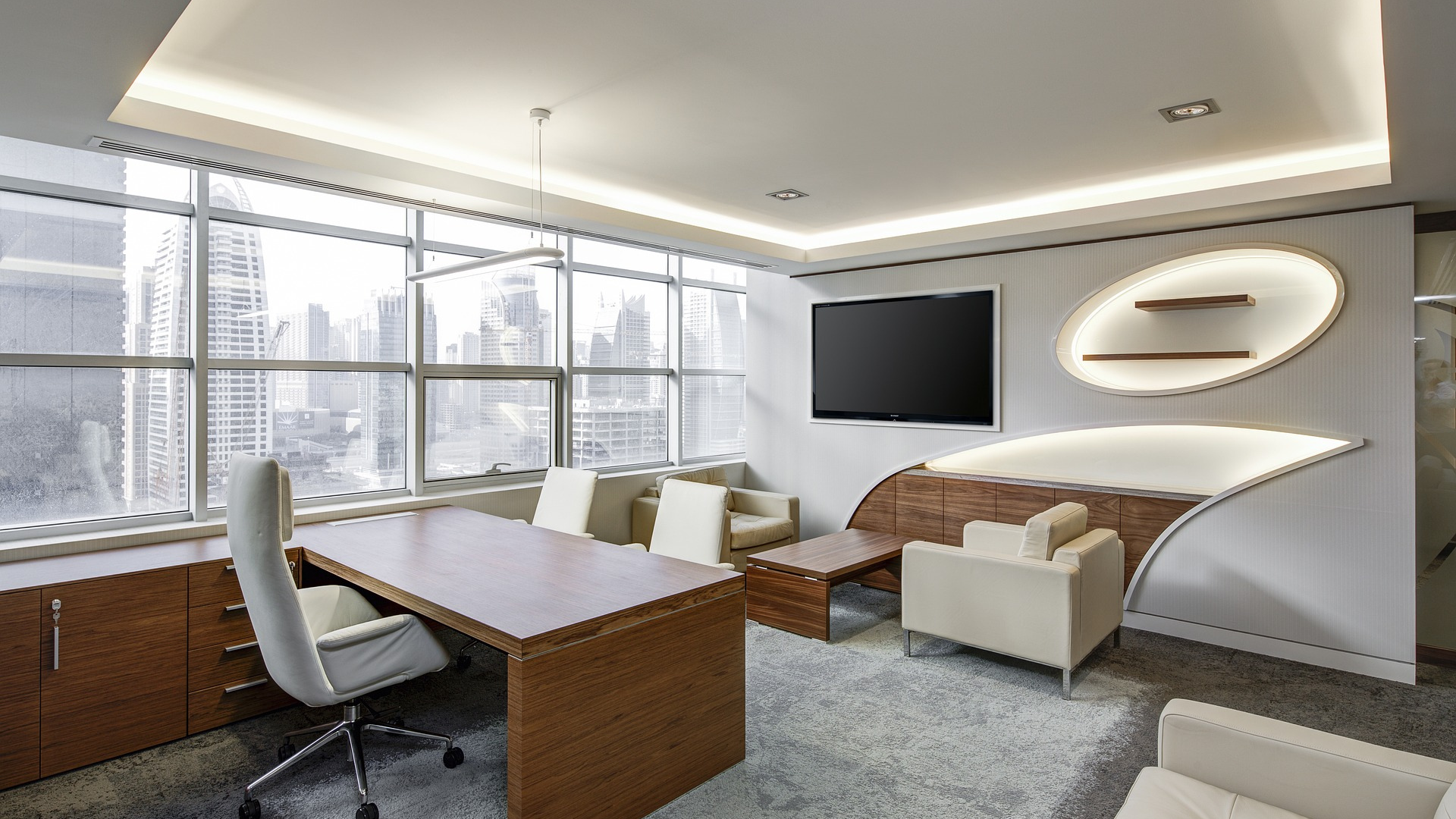

An inviting living room doesn’t announce itself.
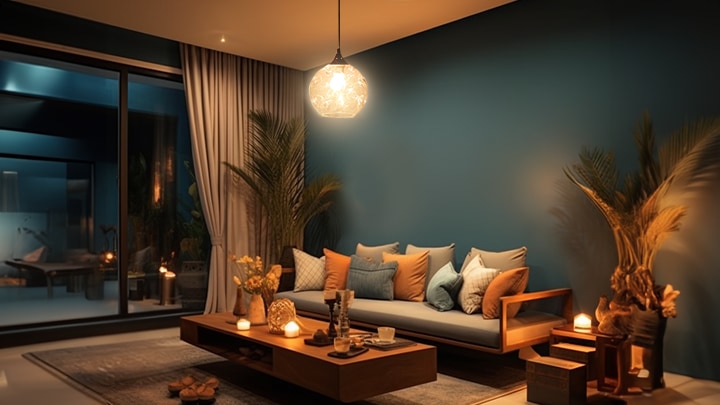
It’s felt in the way people slow down when they enter, in how they choose to sit instead of standing, and in how conversations linger without effort. Nothing dramatic has to happen for a space to feel welcoming.
Many families notice that when a living room feels inviting, daily life feels gentler. Not because the room looks impressive, but because it quietly supports comfort, connection, and rest.
An inviting space usually begins with how the room allows people to move.
When pathways are clear and furniture feels thoughtfully placed, the body relaxes. There’s no subtle tension from navigating around obstacles or squeezing past corners. Movement feels natural, and sitting down feels easy.
The room stops feeling like something to manage and starts feeling like somewhere to be.
Comfort plays a larger role than most people expect.
Seating that invites staying—soft cushions, supportive chairs, familiar textures—signals that the room is meant to be used, not preserved. When comfort is prioritized, people naturally linger longer.
Presence follows comfort without effort.
Visual calm also shapes how inviting a room feels.
When the eye isn’t pulled in too many directions at once, attention settles. A room with fewer competing elements often feels quieter, even if it’s full of life.
This visual ease helps people feel at home more quickly.
One or two clear surfaces can make a surprising difference.
A coffee table or shelf that isn’t crowded gives the eye a place to rest. That pause often translates into mental ease, making the room feel more open and approachable.
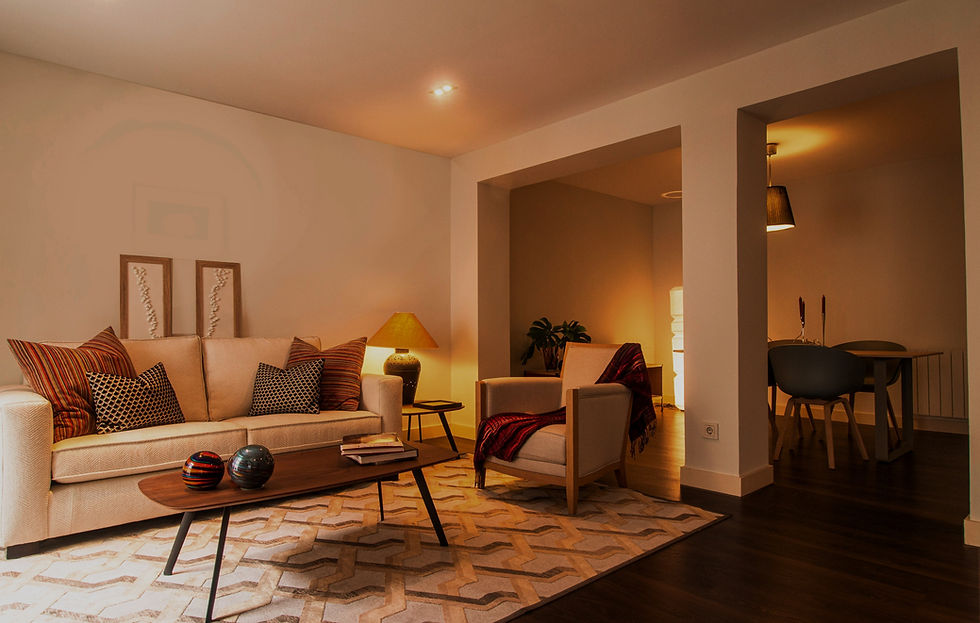
Lighting quietly sets the emotional tone.
Soft, warm lighting makes a living room feel safe to relax in. Natural light during the day and gentle lamps in the evening help the space transition smoothly from activity to rest.
Harsh or overly bright lighting can keep the body alert. Softer light invites settling.
An inviting living room also feels predictable.
When people understand how the space is used—where to sit, where to gather, where to rest—they feel more comfortable entering it. Clear purpose reduces hesitation.
Children, especially, respond to this sense of orientation. They feel more at ease when the room feels understandable.
Sound and silence matter too.
A room that absorbs sound well feels calmer. Soft furnishings, curtains, or rugs often quiet echoes and make conversations feel more intimate.
Silence in an inviting room doesn’t feel empty. It feels comfortable.
Personal touches add warmth when they’re intentional.
A few meaningful objects, familiar photos, or well-loved items make the space feel lived in without overwhelming it. These details signal care rather than display.
What matters isn’t quantity, but relevance.
An inviting room also feels forgiving.
It can handle people, toys, movement, and still feel welcoming. Small messes don’t feel disruptive. The space adapts to life instead of resisting it.
This flexibility makes people feel more relaxed within it.
Conversation often flows more easily in inviting spaces.
Phones stay out of reach a little longer. Pauses feel natural. People feel less rushed to fill silence or move on.
The room supports connection simply by not competing for attention.
Even transitions feel smoother.
Moving from busy moments to quieter ones feels easier when the living room gently signals calm. The day feels more contained when there’s a space that welcomes slowing down.
Importantly, an inviting living room doesn’t require perfection.
It doesn’t need to be styled, large, or finished. It needs to feel approachable, comfortable, and real.
When a room supports how people actually live, it naturally feels inviting.
Over time, families stop noticing the specific details.
They notice the feeling instead—more ease, more presence, more time spent together without planning it. The living room becomes a place people return to without thinking.
A Gentle Closing Reflection
Making a living room feel more inviting isn’t about adding more.
It’s about removing barriers to comfort, rest, and connection.
When a space welcomes people as they are, everything slows just enough to feel good. Sitting feels easier. Togetherness feels natural.
An inviting living room doesn’t need to impress.
It simply needs to make people feel like they belong there.
AI Insight:
Many families notice that when a living room feels welcoming, people naturally spend more time there without needing a reason.


