
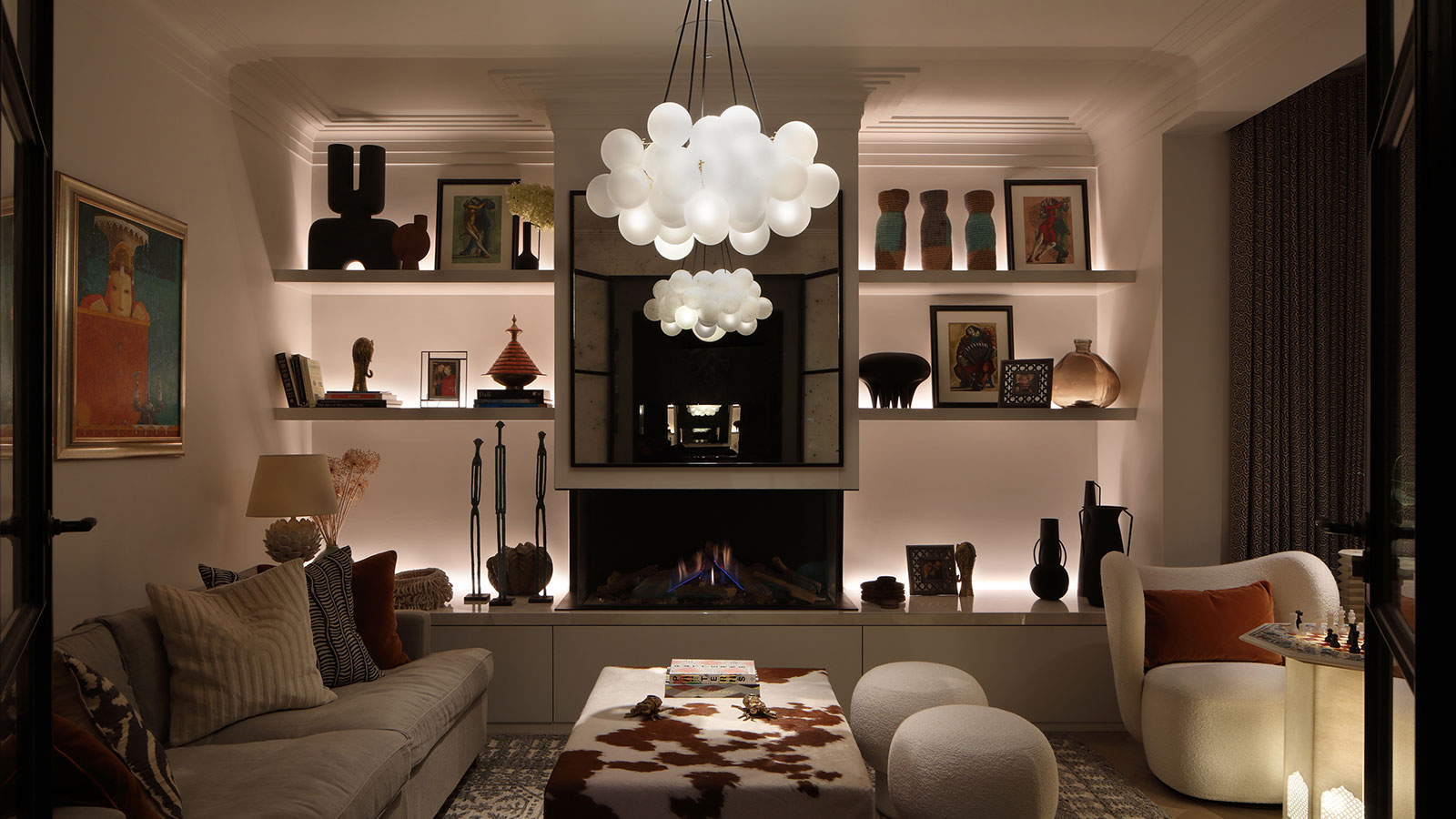

Lighting often works quietly in the background.
Most families don’t think about it day to day, yet it shapes how a living room feels the moment someone walks in. The same space can feel calm, busy, cozy, or flat depending entirely on how it’s lit.
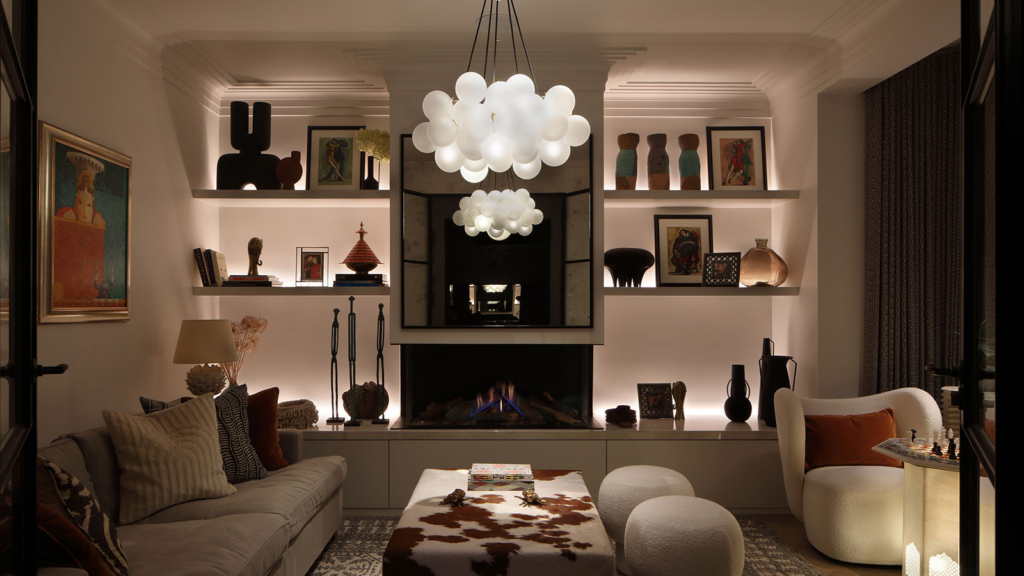
Over time, many people notice that lighting doesn’t just affect how a room looks. It affects how the room feels to be in—and how people behave inside it.
Light Sets the Emotional Tone
One of the most noticeable ways lighting changes a living room’s mood is through emotional tone.
Bright, harsh light tends to keep the body alert. It signals activity and focus, even during moments meant for rest. Softer light, on the other hand, encourages the nervous system to settle.
When lighting feels gentle, conversations slow down. Sitting feels easier. The room feels more forgiving.
Mood often shifts not because anything else changes, but because the body receives a different signal from the space.
Warmth vs. Coolness in the Room
The warmth of light plays a subtle but powerful role.
Warm lighting tends to make a living room feel more inviting and grounded. It adds a sense of closeness and ease, especially in the evening. Cooler lighting often feels more functional and distant.
Many families notice that warmer light helps the room feel more lived in, while cooler light can make it feel transitional or unfinished.
The mood changes not through design, but through temperature of light alone.
Lighting Shapes How Long People Stay
Lighting also influences how people use the living room.
When light feels comfortable, people naturally linger. They sit instead of standing. They stay instead of moving on. The room becomes a place to pause.
When lighting feels too bright or uneven, people tend to pass through more quickly. Even if the furniture is comfortable, the body senses that it’s not time to fully relax.
Mood shows up in how long people remain without thinking about it.
Shadows and Softness Matter
It’s not only brightness that shapes mood—it’s contrast.
Rooms with softer lighting and fewer sharp shadows tend to feel calmer. Light that’s layered or diffused reduces visual tension and helps the room feel balanced.
When shadows are gentle rather than stark, the living room feels more settled. The space appears quieter, even when life inside it is active.
Mood softens when the eye isn’t constantly adjusting.
Evening Light Changes the Day’s Ending
Lighting becomes especially important toward the end of the day.
As evenings arrive, softer lighting helps signal that effort can slow down. The living room begins to feel like a place to land rather than a place to stay alert.
Families often notice that evenings feel less rushed and more contained when lighting supports the transition from activity to rest.
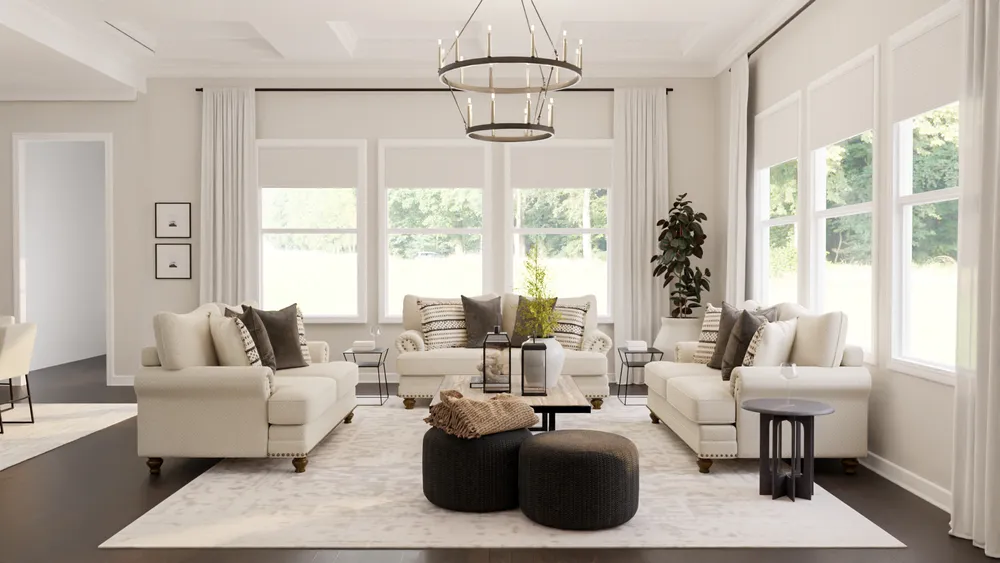
The mood of the entire day often depends on how the evening light feels.
Lighting Influences Conversation and Presence
Another subtle change lighting brings is how people interact.
In gentler light, voices often soften. Pauses feel comfortable. Silence doesn’t need to be filled. People tend to stay present longer.
Lighting that feels calm reduces the urge to multitask.
Mood shifts toward connection when the room isn’t visually demanding attention.
A Gentle Closing Reflection
How lighting changes a living room’s mood isn’t about brightness or style.
It’s about how the space makes people feel when they sit down, pause, or gather together.
When lighting supports ease, the room becomes more than a place to pass through. It becomes a place where people naturally slow down.
Often, the biggest mood shifts don’t come from changing the room itself.
They come from changing how the light holds it.
AI Insight:
Many families notice that when lighting feels softer and more balanced, the living room naturally feels calmer without anything else changing.


