
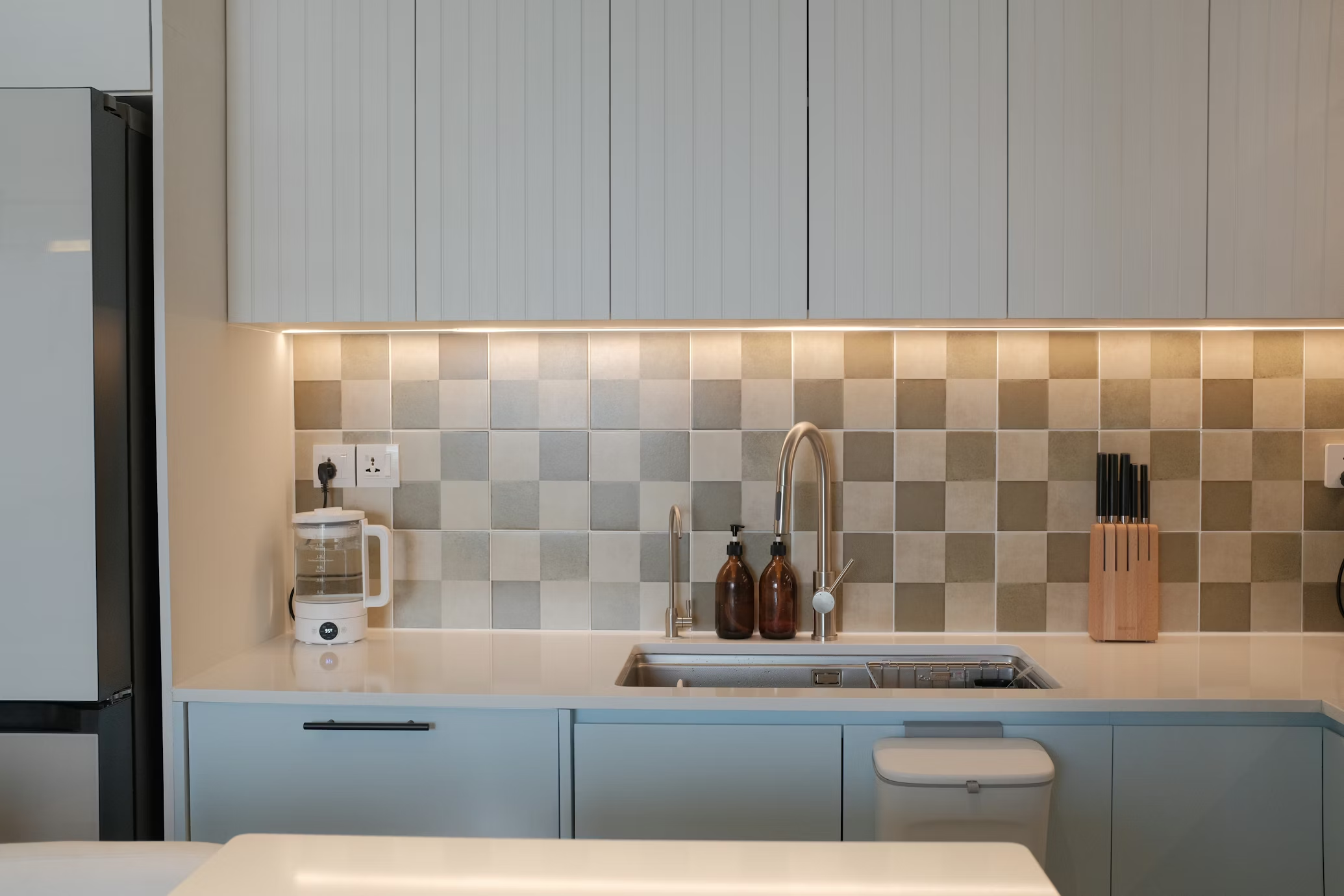

Kitchens often feel different at various times of day.
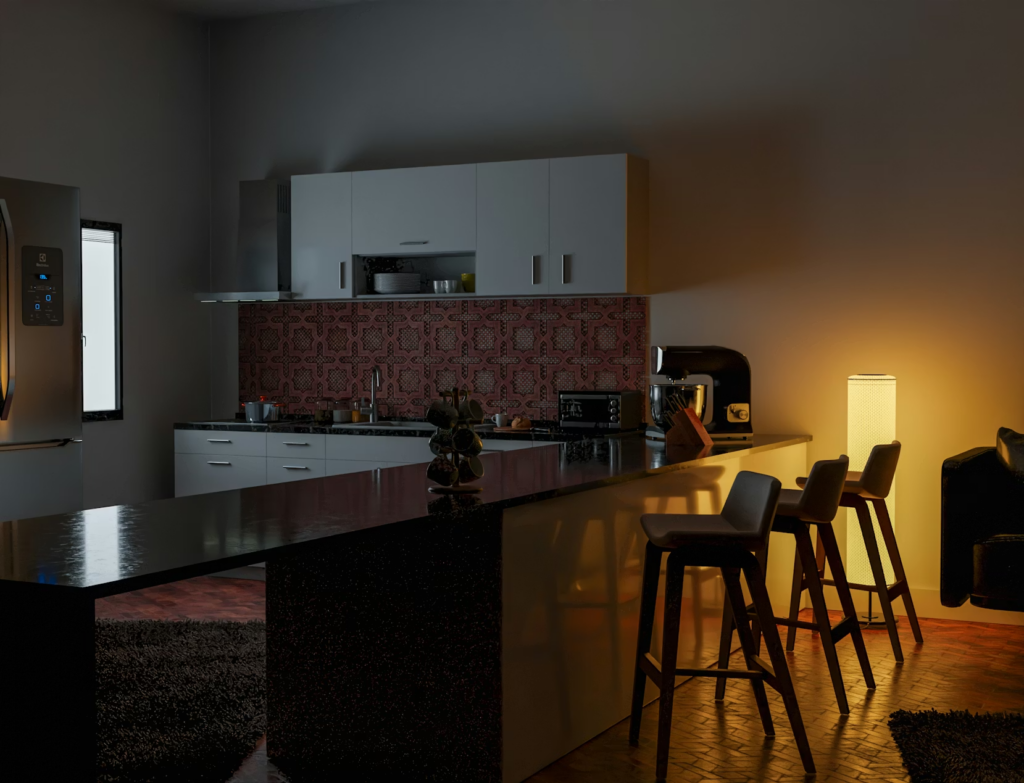
The same space can feel busy in the morning, flat in the afternoon, and surprisingly calm in the evening. Many people eventually realize that this shift has less to do with the kitchen itself and more to do with how it’s lit.
Lighting quietly shapes how a kitchen is experienced, influencing mood, movement, and how long people choose to stay there.
Light Changes How the Space Feels to Be In
One of the first ways lighting transforms a kitchen is through feeling rather than appearance.
Bright, harsh light can make the space feel alert and task-focused, even during moments meant for pause. Softer, more balanced light allows the body to relax while still supporting activity.
When lighting feels supportive rather than demanding, the kitchen becomes easier to exist in—not just work in.
People often notice they linger longer when the light feels gentle.
Lighting Affects Movement and Flow
Lighting also influences how smoothly people move through a kitchen.
Well-lit pathways and work areas reduce hesitation. Shadows or uneven light can subtly interrupt flow, causing people to slow down or adjust without realizing why.
When light is balanced across the space, movement feels more natural.
The kitchen feels clearer, not because it’s more organized, but because it’s easier to navigate.
Mood Shifts With the Tone of Light
The tone of light plays a major role in how a kitchen feels emotionally.
Warmer light tends to make the space feel more welcoming and grounded. Cooler light often feels more functional and distant. Neither is right or wrong, but each creates a different mood.
Many people notice that warmer light makes kitchens feel more social, while cooler light keeps them feeling task-oriented.
Lighting quietly decides whether the kitchen feels like a gathering space or a work zone.
Light Marks the Rhythm of the Day
Lighting also helps the kitchen transition through the day.
Morning light supports energy and movement. Evening light signals slowing down. When lighting shifts with the rhythm of the day, the kitchen feels more connected to daily life.
Instead of feeling static, the space adapts.
That adaptability is often what makes a kitchen feel comfortable rather than rigid.
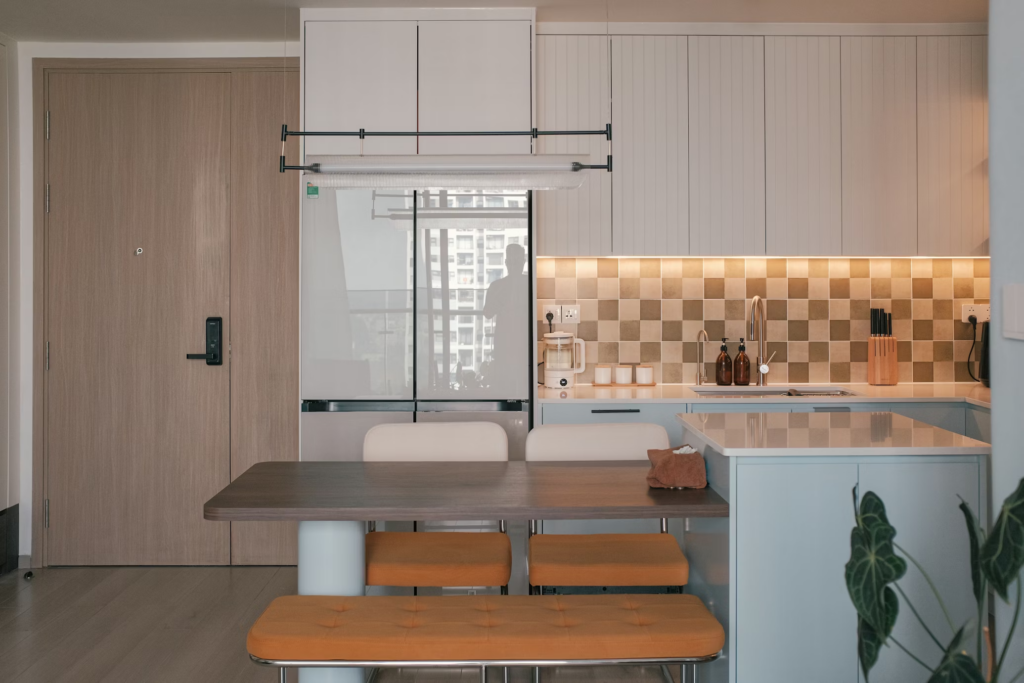
A Gentle Closing Reflection
How lighting transforms kitchen spaces isn’t about brightness or fixtures.
It’s about how the room communicates with the people inside it.
When light supports movement, mood, and daily rhythm, the kitchen becomes more than a place to prepare food. It becomes a space that responds naturally to how life unfolds.
Often, the biggest change in a kitchen isn’t something you see.
It’s something you feel.
AI Insight:
Many people notice that a kitchen feels completely different once lighting begins to support both activity and moments of pause.


