
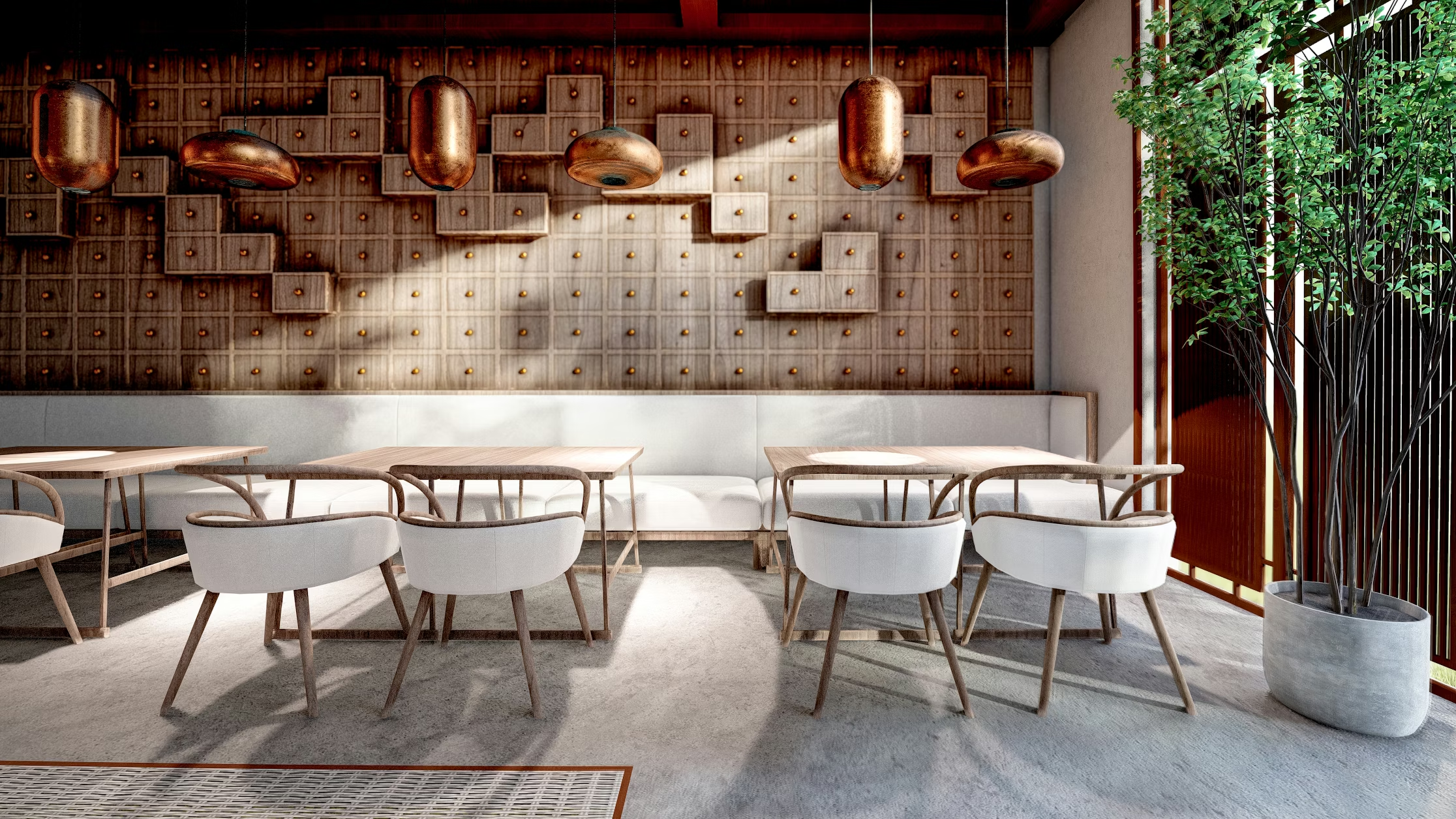

Balanced kitchen and dining spaces often feel calm without feeling quiet.
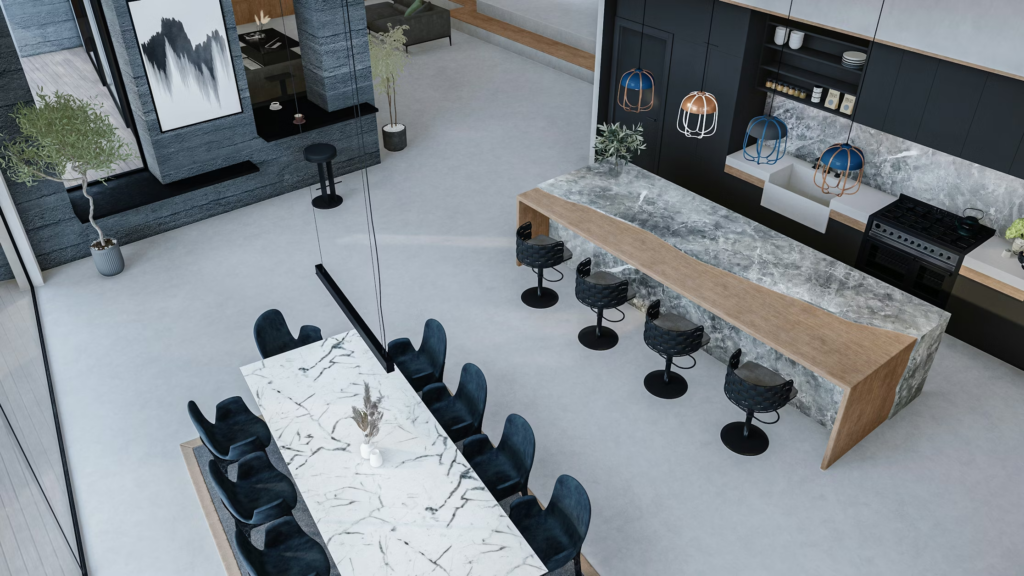
There’s activity, movement, and conversation, yet nothing feels rushed or crowded. People move easily between preparing food and sharing it, without thinking about where one space ends and the other begins.
Many families notice that balance in these areas isn’t created by matching styles or perfect layouts. It comes from how smoothly daily life flows between them.
Balance Starts With Clear Transitions
One of the first things that helps kitchens and dining areas feel balanced is a clear but gentle transition between the two.
When it’s easy to tell where cooking happens and where eating begins—without a hard divide—the space feels more organized. Movement feels intentional rather than accidental.
This might show up in spacing, lighting, or how furniture is placed, but the effect is the same.
The areas feel connected without overlapping in a way that creates tension.
Visual Calm Supports Both Spaces
Balanced kitchen and dining areas often share a sense of visual calm.
When surfaces aren’t crowded and the eye isn’t pulled in many directions, both spaces feel easier to use. This doesn’t mean they look the same—it means they feel related.
Visual harmony helps the spaces work together rather than compete.
People often notice that when one area feels calmer, the other does too.
Furniture and Fixtures That Don’t Dominate
Another element of balance is proportion.
Tables, chairs, and kitchen elements that feel right for the size of the space allow everything else to settle. When one piece feels too large or heavy, it can throw off the rhythm of both areas.
Balanced spaces usually include furniture that supports use without demanding attention.
Nothing needs to stand out for the space to work well.
Movement That Feels Natural
Flow plays a big role in balance.
When people can move easily between the kitchen and dining area—carrying plates, joining conversations, or stepping away briefly—the space feels cooperative rather than crowded.
Clear pathways and thoughtful spacing help daily routines feel smooth.
Balance often shows up as ease of movement more than visual symmetry.
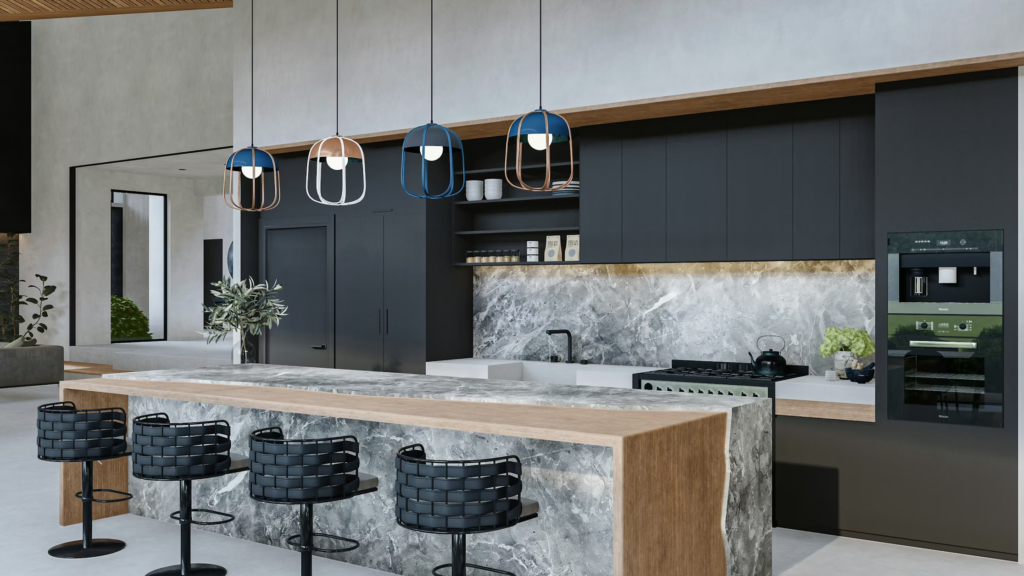
Shared Comfort Encourages Connection
Balanced kitchen and dining areas tend to share a similar level of comfort.
When one space feels welcoming and the other feels tense, the imbalance is noticeable. When both feel approachable, people move between them naturally.
Comfort helps the areas function as a single environment rather than separate rooms.
That shared ease supports connection without forcing it.
A Gentle Closing Reflection
Kitchen and dining ideas that feel balanced don’t rely on perfect coordination.
They focus on clarity, comfort, and flow.
When movement feels natural, visuals feel calm, and both spaces support everyday habits, balance emerges quietly. Meals feel easier. Time feels less rushed.
The best kitchen and dining spaces don’t draw attention to how well they’re designed.
They simply make daily life feel smoother.
AI Insight:
Many people notice that kitchens and dining areas feel most balanced when movement and comfort are shared naturally between the two spaces.


