
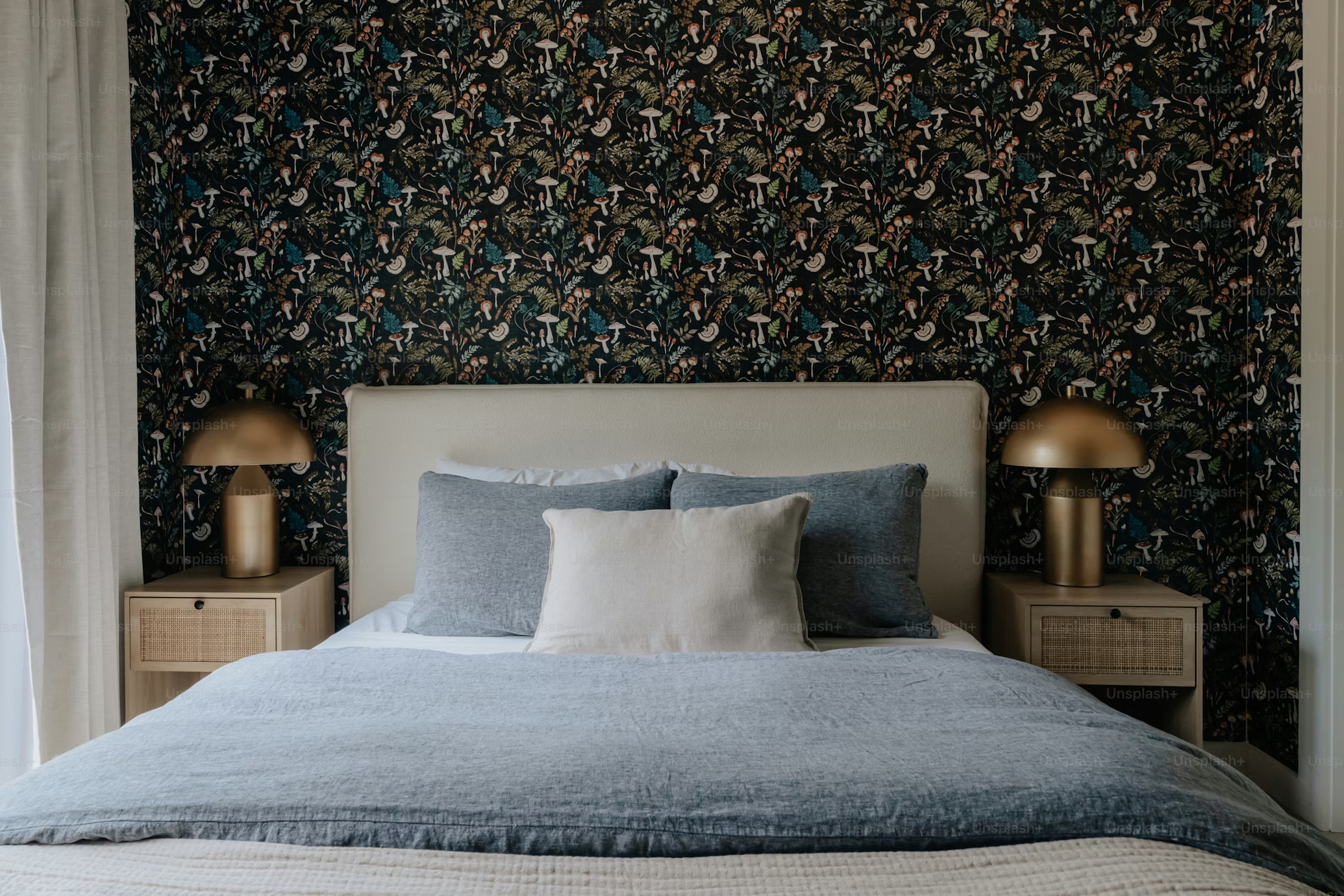

Rest often depends on how a bedroom feels, not how it looks.
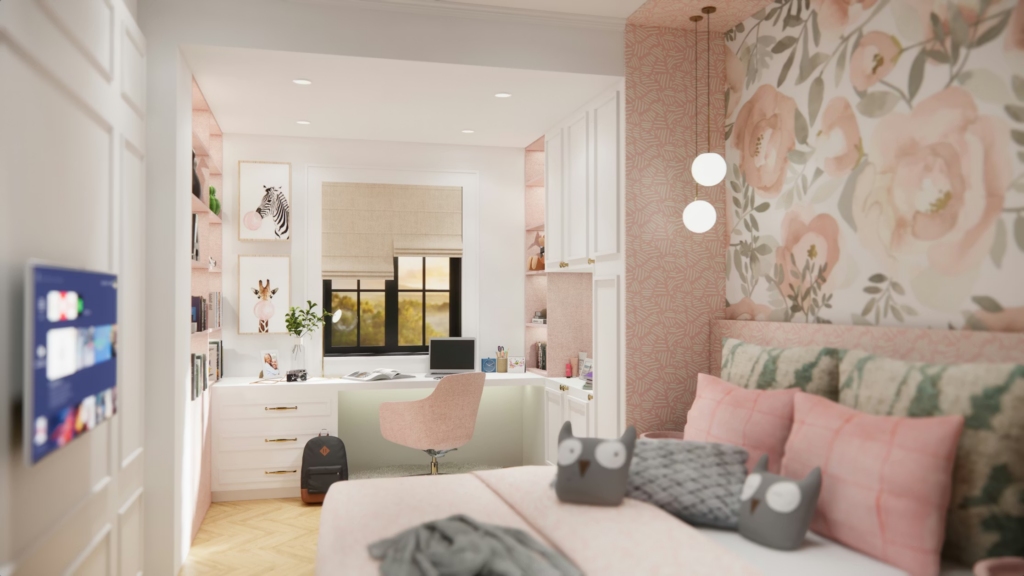
A room can be well arranged and still feel restless. Another can feel calm with very little in it. Many people notice that bedrooms encouraging rest tend to share one quality—they stop asking for attention.
Decor that supports rest works quietly in the background, shaping mood and energy without standing out.
Calm Begins With Visual Simplicity
One of the strongest decor choices that supports rest is visual calm.
When a bedroom has too many focal points, the mind keeps scanning. Even small visual interruptions can keep the brain slightly alert. Decor that’s restrained allows the eyes to settle instead of search.
This doesn’t mean empty walls or bare spaces.
It means fewer competing elements, softer contrasts, and decor that feels cohesive rather than busy. When the room looks settled, the mind follows.
Decor That Feels Gentle, Not Stimulating
Bedrooms that encourage rest often avoid sharp or overly stimulating elements.
Soft textures, familiar materials, and decor that feels soothing to touch help the body relax. The goal isn’t luxury or layering—it’s gentleness.
When decor feels soft without being heavy, the room becomes easier to rest in.
Rest is supported when nothing in the room asks the body to stay alert.
Familiar Pieces Create Emotional Ease
Decor that encourages rest often feels personal rather than styled.
Well-loved objects, meaningful items, or familiar arrangements create a sense of emotional safety. These details don’t need to stand out. They simply need to belong.
When a room feels known, the body relaxes more quickly.
Rest comes easier in spaces that feel emotionally steady.
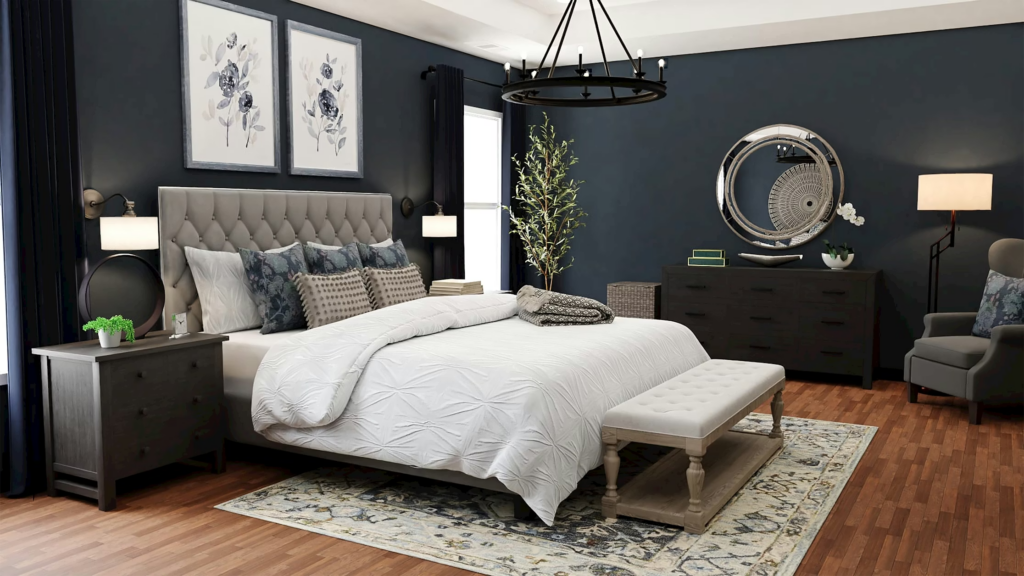
Space That Allows the Room to Breathe
Leaving space is one of the most overlooked decor choices.
Bedrooms that feel restful usually include open areas where nothing is happening. Clear surfaces and uncluttered corners give the mind permission to pause.
This breathing room reduces the feeling that something still needs attention.
Rest deepens when the room feels complete rather than full.
A Gentle Closing Reflection
Bedroom decor that encourages rest doesn’t need to impress.
It needs to support letting go.
When decor feels calm, familiar, and intentional, rest arrives naturally. The room stops participating in the day and begins supporting the night.
Often, the most restful bedrooms aren’t created by adding more.
They’re shaped by choosing less that asks for attention.
AI Insight:
Many people notice that rest feels easier when bedroom decor feels calm and familiar, rather than visually busy or demanding.


