
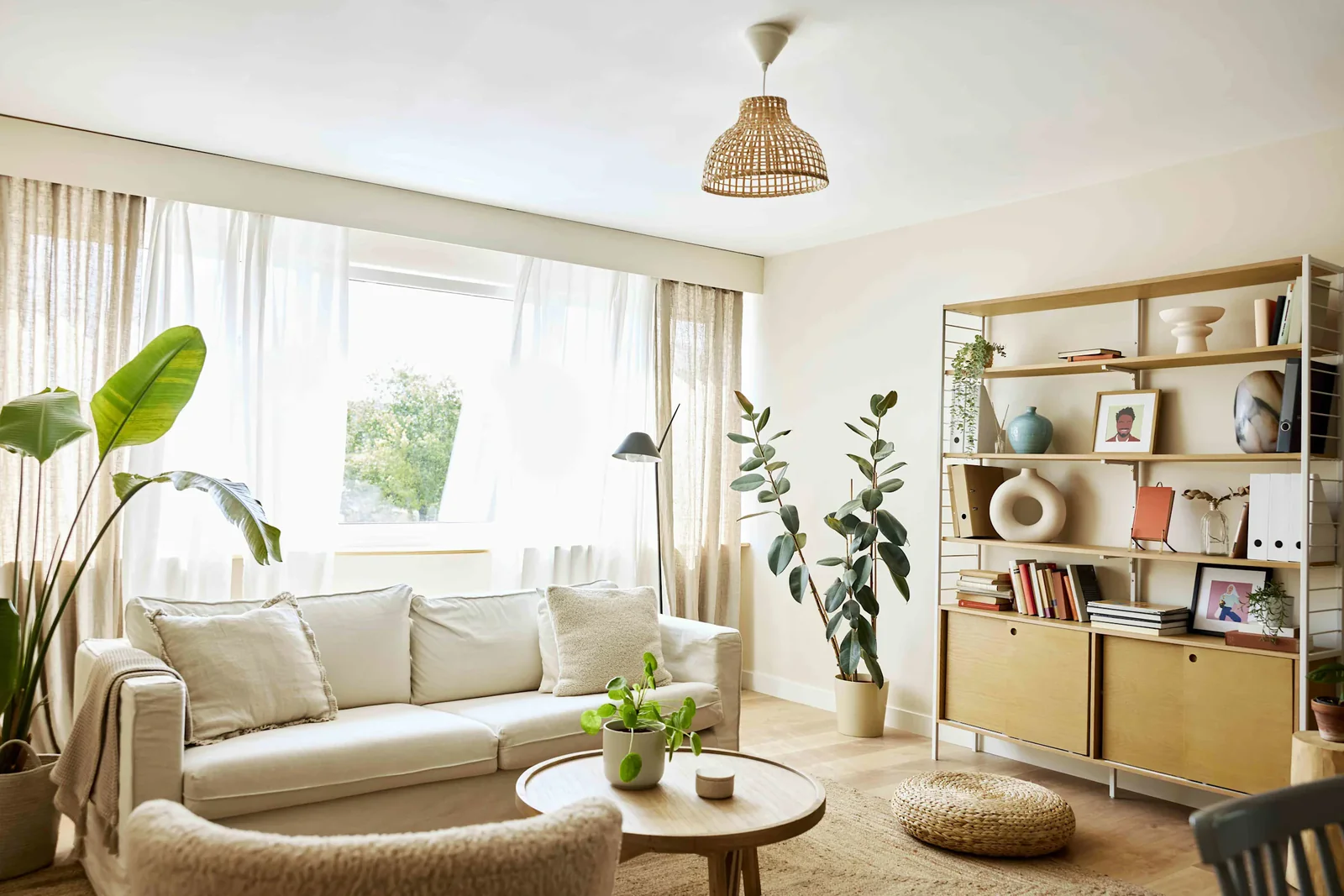

Paint color does more than decorate a room. It quietly defines how the space is experienced. The same room can feel open or closed, warm or distant, calm or energetic—simply because the walls speak a different language.
Color shapes mood before furniture, lighting, or layout ever has a chance.
When you enter a room, your body responds first.
Then your mind follows.
That response is guided by color.
Light Colors Expand Space
Soft whites, pale grays, and gentle neutrals reflect light. They allow walls to recede visually, making rooms feel larger and more open.
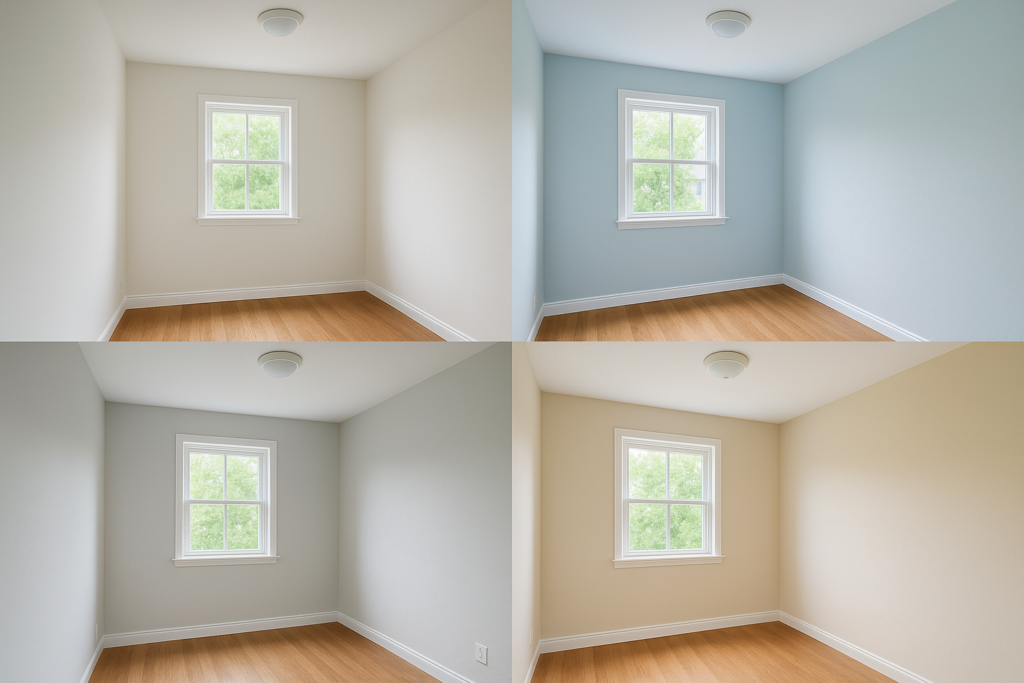
These colors:
- Reduce visual weight
- Create breathing room
- Let light travel
A small room painted in a light tone feels less confined. The boundaries soften. The space feels easier to move within.
Light colors don’t compete.
They support.
That support reads as calm.
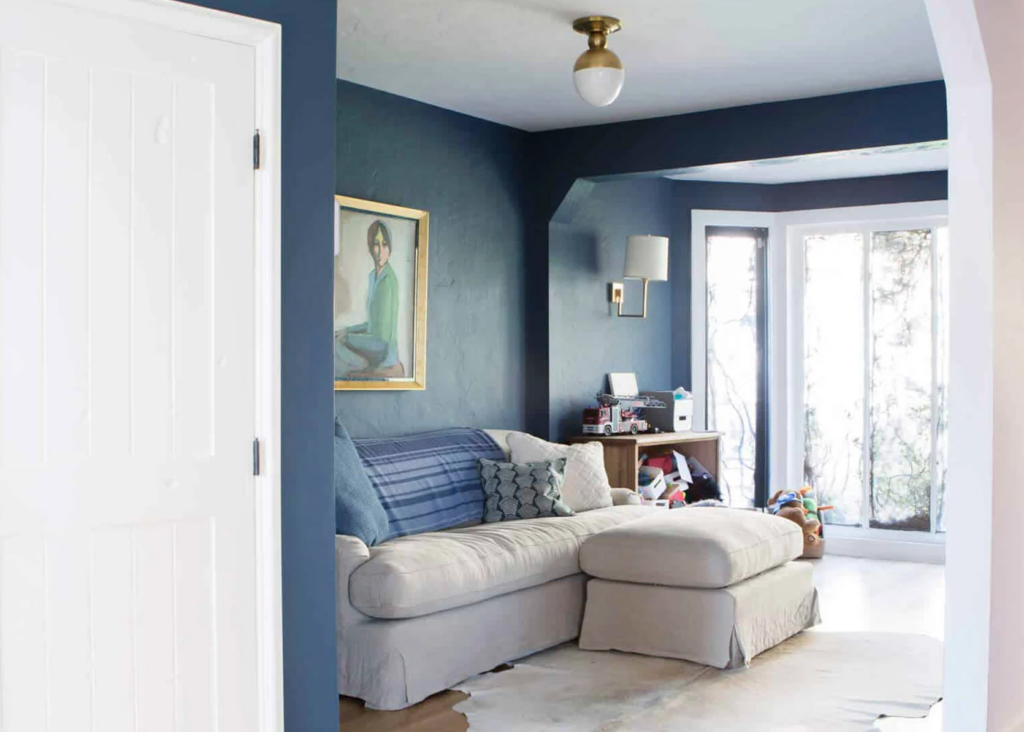
Dark Colors Add Depth
Darker tones—charcoal, navy, forest green—don’t necessarily shrink a room. Instead, they add weight and atmosphere.
These colors:
- Create intimacy
- Define edges
- Anchor the space
A dark-painted room feels intentional. It draws you inward. It signals pause.
What might feel small in bright white can feel enveloping in deep color.
The room doesn’t disappear.
It settles.
Warm Colors Create Comfort
Warm tones—beige, clay, soft terracotta, warm gray—introduce emotional ease.
They feel familiar.
They feel human.
They feel lived-in.
These colors soften hard lines and reduce the sense of sterility. They are often chosen for spaces meant to relax—bedrooms, living rooms, bathrooms.
Warmth in color translates to warmth in experience.
The room feels welcoming.
Cool Colors Create Clarity
Cool tones—blue, sage, pale green—bring a sense of order.
They feel clean.
They feel spacious.
They feel composed.
These colors are often associated with focus and calm. They reduce visual noise and create mental clarity.
A cool room feels balanced.
Not busy.
Not heavy.
Just settled.
Color Directs Attention
Paint can guide how a room is read.
A darker wall draws focus.
A lighter ceiling lifts height.
A contrasting trim defines edges.
Color becomes a tool for emphasis.
It tells the eye where to rest.
When used intentionally, it shapes movement and mood without changing the room’s structure.
The architecture stays the same.
The experience changes.
Why Color Feels So Powerful
Color works quietly.
It doesn’t announce itself.
It influences behavior.
People linger in rooms that feel warm.
They focus in rooms that feel calm.
They move quickly through rooms that feel sharp.
Paint doesn’t just change walls.
It changes rhythm.
It alters how time feels inside a space.
That’s why color choices often feel emotional.
They aren’t just aesthetic.
They’re experiential.
AI Insight: Over time, people often notice that a room’s mood is shaped less by what’s inside it and more by the color that quietly surrounds everything.


