
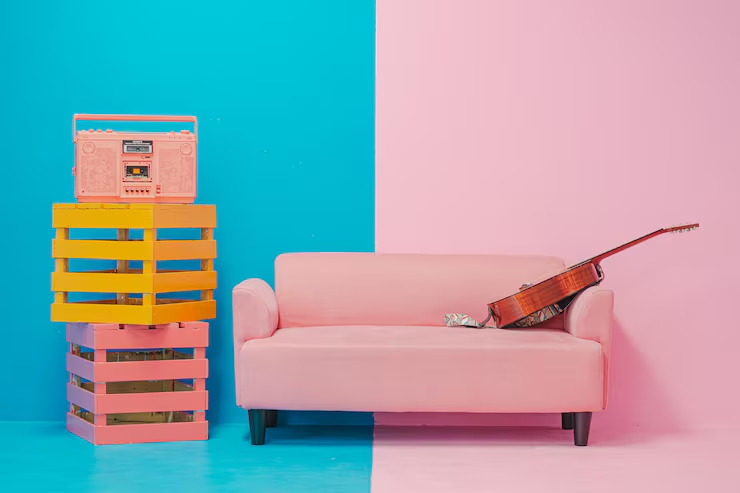

Choosing the right piece is the quiet foundation of every successful furniture flip. Long before paint is opened or tools are laid out, there’s a moment of recognition—seeing potential where others see wear.
People who flip furniture aren’t just shopping for objects. They’re scanning for possibility.
A scratched dresser.
A dated coffee table.
A chair with good bones and tired fabric.
What matters isn’t how the piece looks now, but what it could become.

Structure Comes First
Most flippers start by assessing the frame.
Is it solid?
Does it wobble?
Are joints intact?
Is the wood real or composite?
Cosmetic flaws are welcome.
Structural problems are not.
Scratches, stains, and faded finishes are easy to change. Warped frames, broken joints, and soft particleboard are not.
People learn to value strength over surface.
A sturdy, ugly piece is a gift.
A fragile, pretty one is a risk.
Shape Over Style
Trends change quickly.
Silhouettes last.
Flippers often look past outdated colors or ornate details and focus on the underlying form. Clean lines, balanced proportions, and classic shapes adapt well to modern finishes.
A bulky oak cabinet might feel heavy now, but its structure could become sleek with the right treatment.
The goal isn’t to find something already beautiful.
It’s to find something that can be.
Size That Fits Real Spaces
Many choose pieces based on how easily they’ll integrate into homes.
Too large, and it limits appeal.
Too small, and it loses presence.
Dressers, nightstands, side tables, and consoles are popular because they fit naturally into many rooms.
Versatility matters.
A piece that can live in a bedroom, hallway, or living space carries more potential.
People don’t just flip for appearance.
They flip for usefulness.
Flaws That Invite Change
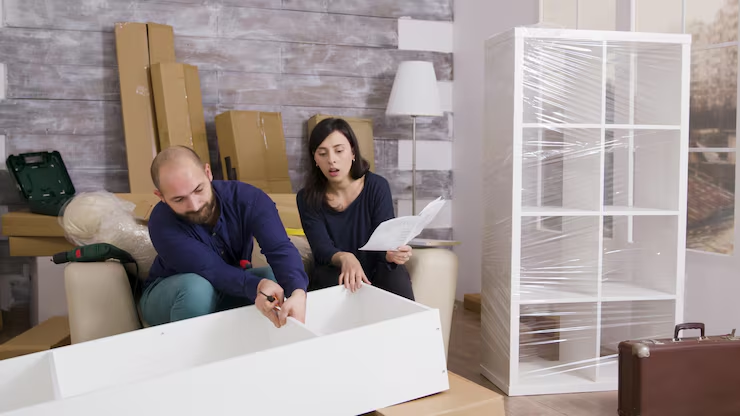
Interestingly, visible flaws can make a piece more appealing.
Deep scratches suggest repainting.
Dark stain suggests lightening.
Outdated hardware suggests replacement.
A piece that looks “finished” offers less creative room.
A piece that looks tired offers direction.
Flippers are drawn to furniture that almost asks for change.
The flaws become a roadmap.
Emotional Intuition
Beyond logic, there is often instinct.
Something about the piece feels right.
It might be the curve of a leg.
The weight of a drawer.
The way it occupies space.
People choose furniture they feel connected to.
That connection fuels patience.
It sustains effort.
It carries the project through sanding, waiting, and revising.
A flip is a relationship.
The piece has to feel worth the time.
The Balance of Risk and Reward
Every choice carries a calculation.
How much work will this take?
What materials are needed?
What could it become?
Experienced flippers develop a sense for this balance. They learn to see not only what’s missing, but what’s possible within reason.
The goal is not perfection.
It’s transformation that feels achievable.
That balance makes the project satisfying.
Why the Selection Matters
The piece sets the tone.
A thoughtful choice simplifies the process.
A rushed choice complicates everything.
Choosing furniture to flip isn’t about finding something cheap.
It’s about finding something capable.
Capable of change.
Capable of use.
Capable of becoming part of someone’s home again.
That moment of selection is where the story begins.
Everything else is just revealing what was already there.
AI Insight: Over time, people often notice that the best pieces to flip are not the ones that look promising, but the ones that quietly suggest what they could become.


