
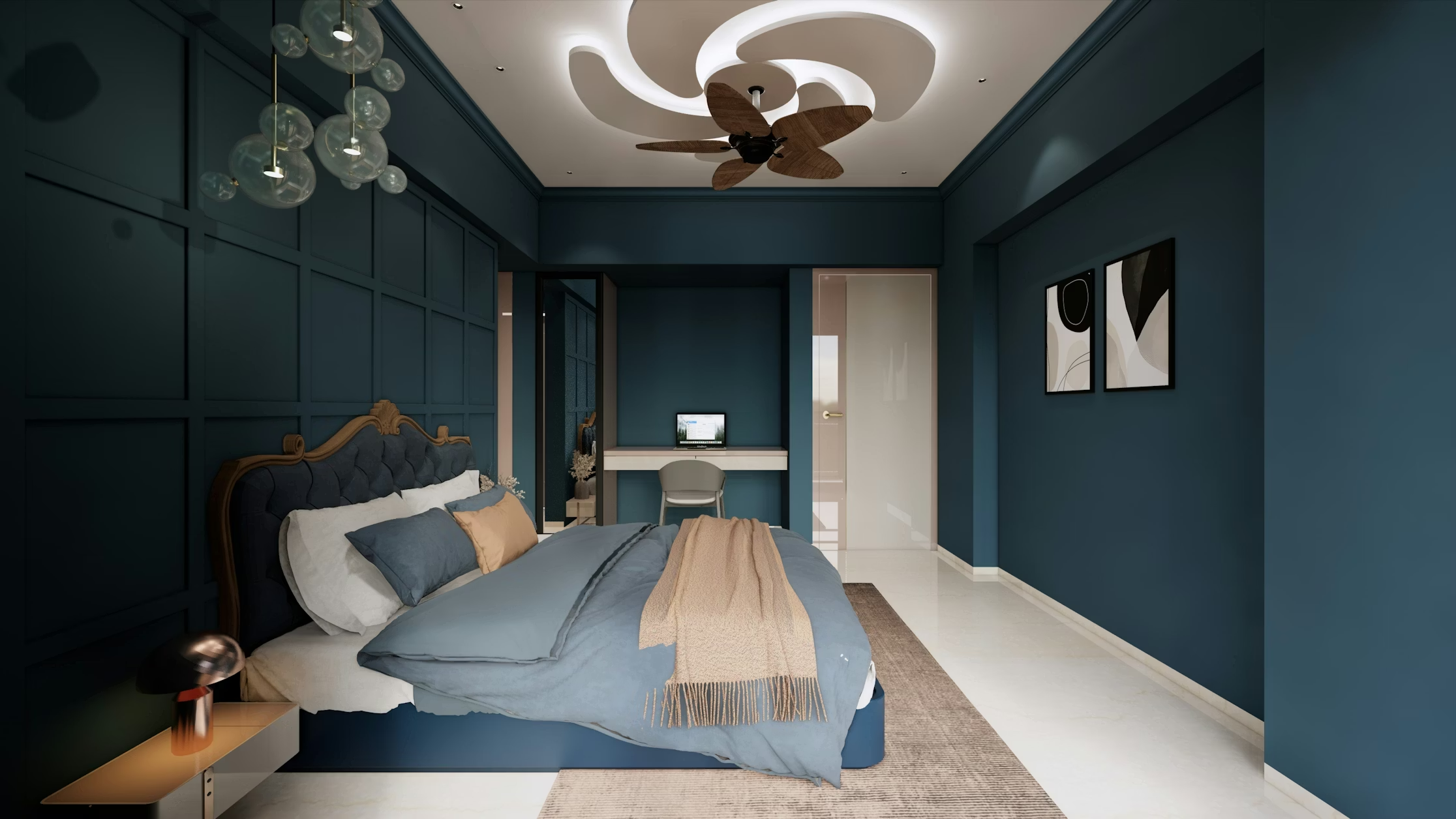

A bedroom you look forward to isn’t about appearance.

It’s about anticipation. The quiet relief of closing the door. The sense that the day can finally soften. The feeling that the space is ready to hold you, exactly as you are.
Many people notice that when a bedroom truly supports them, rest begins before they ever lie down.
Start With How You Want to Feel at the End of the Day
Bedrooms that feel inviting usually begin with a clear emotional intention.
Not a design goal, but a feeling—calm, relief, ease, comfort. When that feeling leads decisions, the room naturally becomes more supportive.
People often realize that what they want most at night is not stimulation or novelty, but permission to slow down.
A bedroom you look forward to feels like a transition, not a continuation of the day.
Let the Room Ask Less of You
One of the biggest shifts happens when the bedroom stops demanding attention.
Too many visual cues, unfinished tasks, or cluttered surfaces can keep the mind alert. Even when unnoticed, they quietly ask for energy.
When the room becomes simpler, the mind settles faster.
A bedroom you look forward to doesn’t require managing—it allows releasing.
Make the Bed a Place You Want to Return To
The bed plays a central role in anticipation.
When it feels approachable, comfortable, and clear, it becomes an invitation rather than a task. It doesn’t need to be styled or perfect—it needs to feel ready.
Many people notice that when the bed feels like a place to land, the rest of the room feels calmer too.
The body understands the signal immediately.
Use Light to Mark the End of Effort
Lighting shapes how a bedroom is experienced more than most realize.
Gentle, warm light helps the body recognize that effort can end. Harsh or overly bright light can keep the nervous system engaged, even late at night.
A bedroom you look forward to often feels softer as the evening arrives.
Light becomes a cue for rest, not activity.
Choose Familiar Comfort Over Visual Impact
Bedrooms that invite return usually feel familiar rather than impressive.
Textures that feel good to touch, items that belong emotionally, and arrangements that feel known all contribute to comfort. These choices don’t stand out—they settle in.
Familiarity builds safety.
And safety is what makes people look forward to rest.
Leave Space for Stillness
Anticipation grows when the room has breathing room.
Not every surface needs to hold something. Not every corner needs to be filled. Open space gives the eyes and mind a place to pause.
A bedroom that includes stillness feels more welcoming.
It doesn’t overwhelm—it waits.
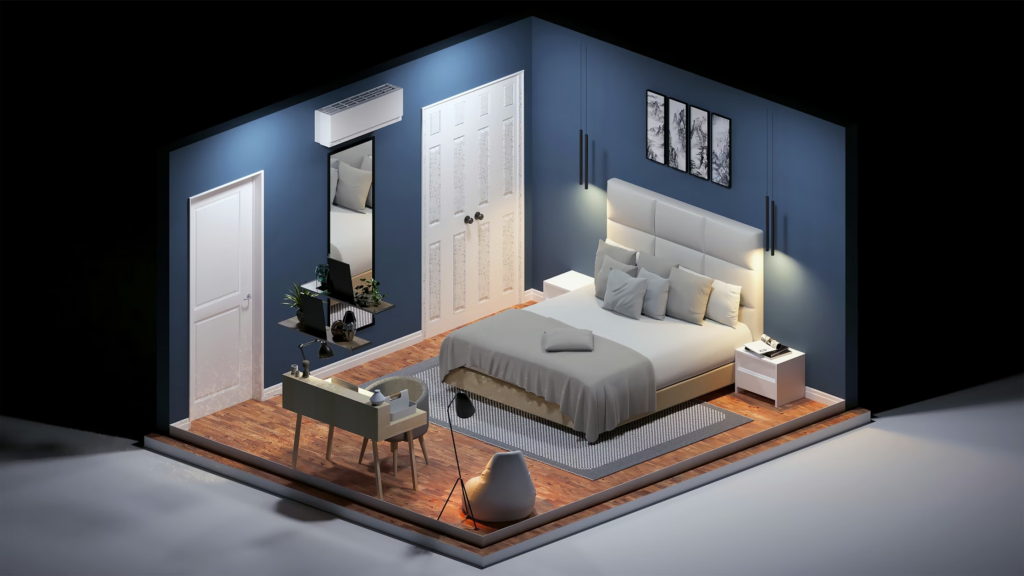
A Gentle Closing Reflection
Creating a bedroom you look forward to isn’t about transformation.
It’s about alignment.
When the space supports ease, familiarity, and rest, anticipation follows naturally. The room becomes a place where the day can end gently, without effort.
You don’t look forward to it because it’s perfect.
You look forward to it because it lets you finally let go.
AI Insight:
Many people notice that they look forward to their bedroom most when it feels calm and familiar, rather than styled or impressive.


