


A functional kitchen isn’t defined by size or style.
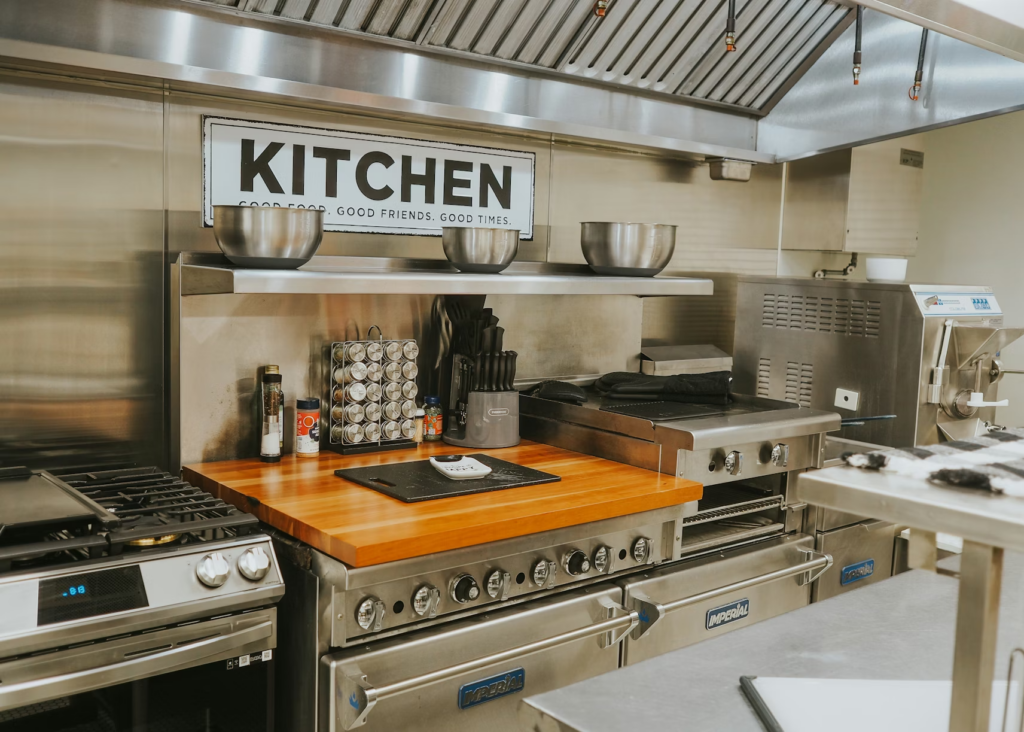
It’s defined by how easily daily life moves through it. When the kitchen works well, tasks feel smoother, movement feels natural, and time spent there feels lighter rather than effortful.
Many people notice that functionality doesn’t come from adding more features. It comes from removing small points of friction that quietly interrupt the flow.
When Movement Feels Natural
One of the clearest signs of a functional kitchen is how it feels to move through.
When pathways are clear and frequently used areas are easy to reach, the body relaxes. Turning, reaching, and stepping aside happen without thought. The kitchen stops feeling tight or awkward.
Small changes—like clearing a counter corner or shifting an item closer to where it’s used—can dramatically improve how the space feels in motion.
Function often begins with ease of movement, not layout changes.
Clear Surfaces Support Clear Thinking
Another key element of a functional kitchen is visual clarity.
When counters and open shelves are crowded, the mind stays slightly alert, tracking what needs attention. Clearer surfaces give the eyes a place to rest, which helps tasks feel simpler.
This doesn’t require empty counters.
It means being intentional about what stays visible and what doesn’t. When only what’s useful remains within view, the kitchen feels calmer and more manageable.
Function Follows Familiar Habits
Kitchens feel most functional when they support how people actually use them.
Spaces that align with daily habits—where things naturally land, where hands reach without thinking—tend to work better than spaces arranged around ideal systems.
When familiar routines are supported instead of corrected, the kitchen feels intuitive.
Function improves when the room adapts to people, not the other way around.
Lighting That Supports the Day’s Rhythm
Lighting plays a subtle but important role in kitchen function.
Balanced lighting helps tasks feel easier without overwhelming the space. When light feels consistent and supportive, the kitchen feels usable at all times of day.
Gentler lighting in quieter moments and brighter light when activity is needed helps the kitchen stay functional without feeling harsh.
The space works better when lighting matches how it’s used.

A Gentle Closing Reflection
Making a kitchen feel more functional isn’t about perfection or complexity.
It’s about clarity.
When movement feels easy, surfaces feel calm, and daily habits are supported, the kitchen naturally becomes a space that works. Time spent there feels smoother, and tasks feel lighter.
A functional kitchen doesn’t need to be impressive.
It simply needs to make everyday life feel easier.
AI Insight:
Many people notice that a kitchen feels more functional when it quietly supports their daily habits instead of asking them to adjust how they work.


