

Styling a living room can feel like a balancing act.
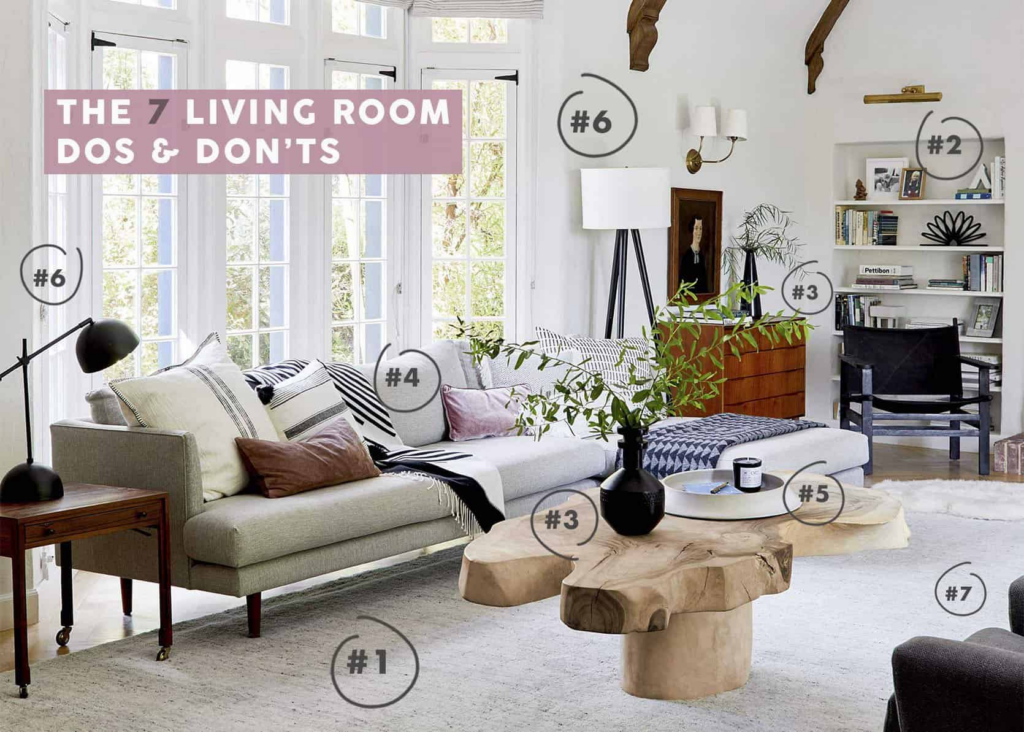
Add too little, and the space feels unfinished. Add too much, and it starts to feel busy or heavy. Many families notice that the rooms they enjoy most sit somewhere in between—thoughtful, comfortable, and easy to live in.
Styling without overdoing it isn’t about restraint for its own sake. It’s about letting the room support daily life instead of competing with it.
Start With How the Room Is Used
One of the simplest ways to avoid overdoing a living room is to begin with how people actually use it.
Where do people sit most often? Where do conversations happen? Where does the day naturally slow down? Styling that follows these habits tends to feel natural rather than forced.
When decor supports real movement and rest, it blends into the background instead of demanding attention.
Rooms feel calmer when they’re styled around life, not appearance.
Let Fewer Pieces Do More Work
Living rooms that feel balanced often rely on fewer, more intentional pieces.
Instead of filling every corner, families tend to choose items that serve a clear purpose—comfort, warmth, or familiarity. These pieces don’t need to stand out on their own.
They work together quietly.
When fewer items are doing the work, the room feels easier to look at and easier to be in.
Keep Visual Focus Soft
Overstyled rooms often pull the eye in too many directions at once.
A calmer approach allows the eye to rest. This might mean leaving some surfaces open, choosing pieces that relate to each other gently, or letting one area naturally draw focus instead of many.
When visual focus is soft rather than scattered, the room feels settled.
People tend to relax more when their eyes don’t need to keep moving.
Comfort Is the Best Guide
One of the clearest signs that a living room isn’t overdone is how comfortable it feels.
If seating invites staying, if the room supports quiet moments as easily as conversation, styling has likely found the right balance. Comfort signals that the space is meant to be lived in.
Rooms styled for comfort age better than rooms styled to impress.
They remain welcoming even as tastes change.
Leave Room for the Space to Breathe
Another way families avoid overdoing a living room is by allowing space to remain unfinished.
Not every wall needs something. Not every surface needs to hold an object. Open space gives the room flexibility and keeps it from feeling fixed or crowded.
This breathing room helps the space adapt as daily life changes.
The room stays usable rather than rigid.
A Gentle Closing Reflection
Styling a living room without overdoing it isn’t about having less taste or fewer ideas.
It’s about trusting the space.
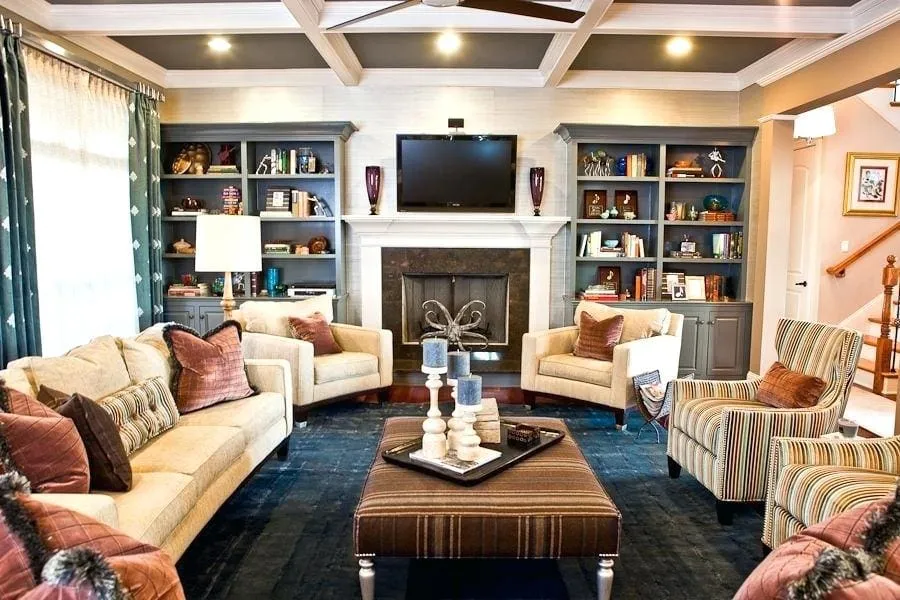
When decor supports comfort, movement, and everyday use, the room doesn’t need much else. It feels complete because it works.
Often, the most balanced living rooms aren’t the ones with the most added.
They’re the ones where nothing feels like it needs to be taken away.
AI Insight:
Many families notice that living rooms feel most comfortable when styling supports everyday use rather than drawing attention to itself.


