

Peel and stick decor is popular because it promises freedom—change without commitment. But the real value comes from using it in a way that protects the surfaces underneath. When applied thoughtfully, peel and stick can leave walls, cabinets, and furniture exactly as they were before, making it ideal for rentals and temporary spaces.
Damage usually doesn’t come from the product itself.
It comes from rushing the process.
Understanding a few quiet principles keeps everything reversible.
Start With the Right Surface
Peel and stick works best on smooth, sealed surfaces.
Painted walls with a satin or semi-gloss finish
Laminated cabinets
Glass, tile, or metal
These surfaces allow adhesive to grip evenly and release cleanly later.
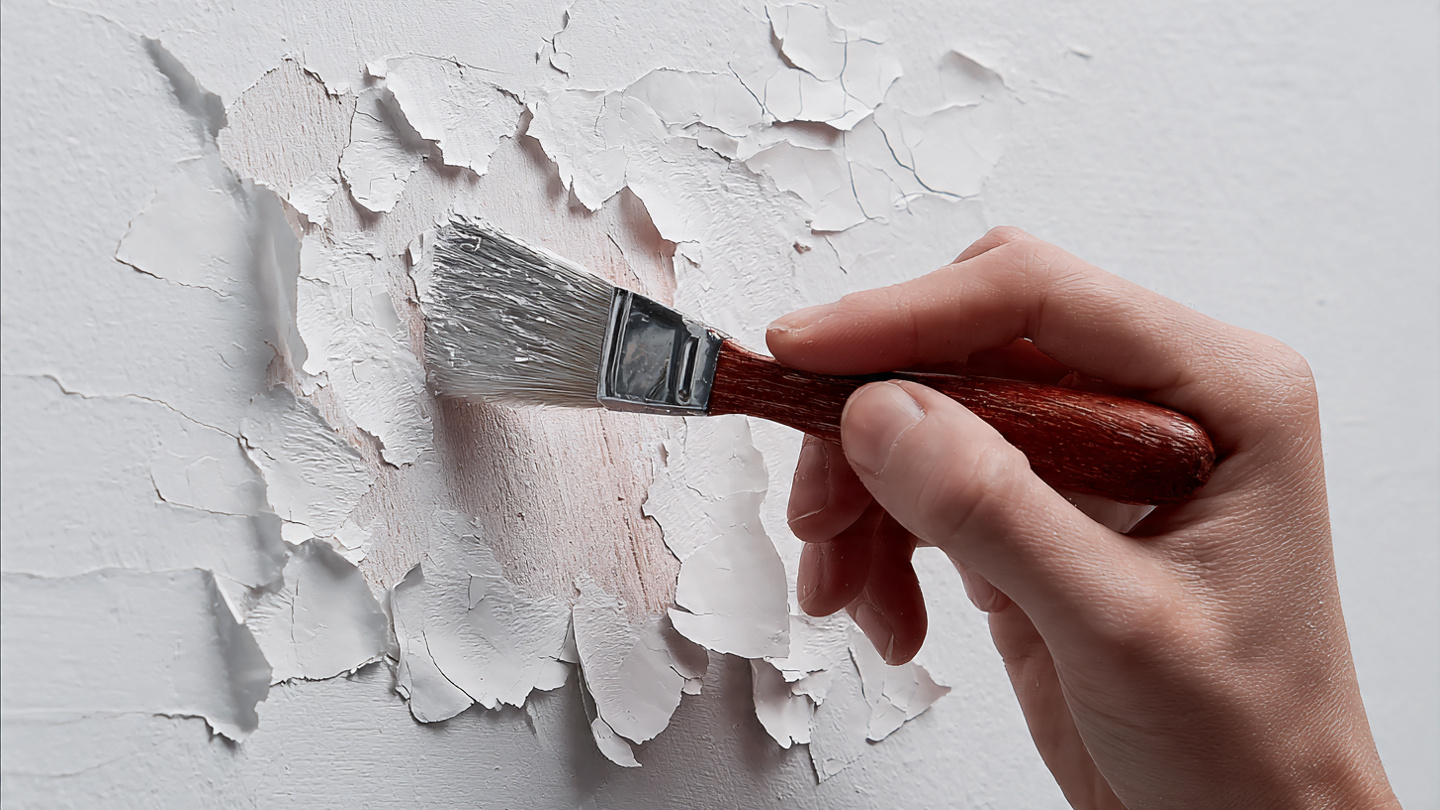
Rough textures, unsealed paint, or peeling walls are more likely to lift when removed. Before committing, test a small area and let it sit for a day or two.
The surface tells you what it’s ready for.

Clean Before You Apply
Dust, oil, and residue weaken adhesion and cause uneven sticking. They also increase the chance of tearing during removal.
Wipe the area with:
- Mild soap and water
- Or a gentle degreaser
Let it dry completely.
A clean surface allows the adhesive to sit flat rather than cling in patches. Flat adhesion is what makes removal smooth later.
Apply Slowly, Not Perfectly
Peel and stick isn’t meant to be rushed.
Work in small sections.
Smooth as you go.
Lift and adjust when needed.
Avoid stretching the material. Stretching creates tension, and tension is what leads to curling edges and stubborn removal later.
Let the product lie naturally.
The goal is calm placement, not speed.
Avoid High-Heat Zones
Excessive heat can soften adhesive too much.
Direct sunlight
Radiators
Ovens
Heaters
In these areas, edges may bond more aggressively or warp over time. If used there, leave a small buffer from the heat source.
Stable temperature keeps the adhesive predictable.
Remove With Patience
When it’s time to remove, the key is gentleness.
Start at a corner.
Pull slowly at a low angle.
Support the surface with your other hand.
If resistance appears, pause.
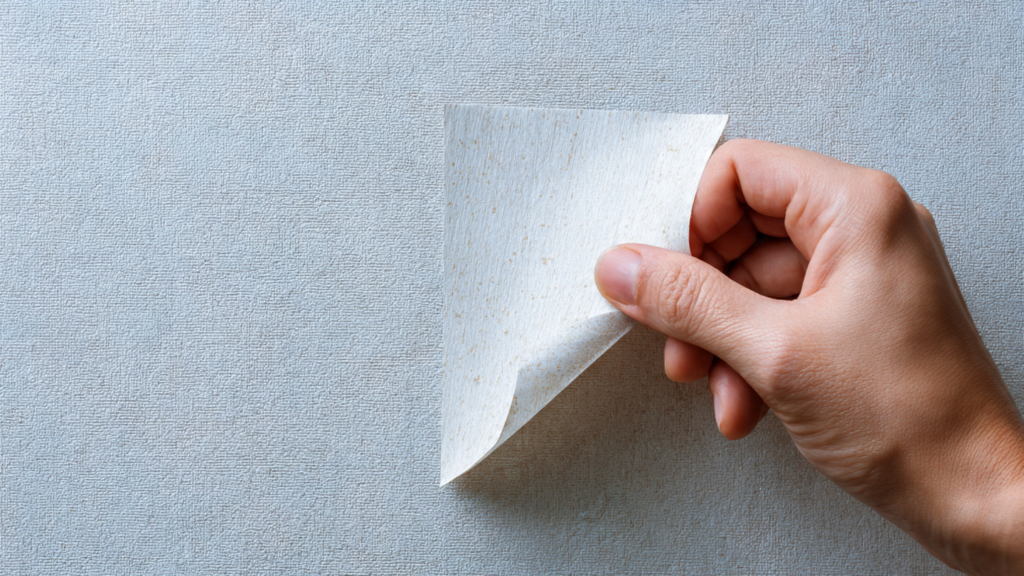
A hair dryer on low heat can soften adhesive just enough to release without stress. Heat relaxes the bond without harming paint.
Never rip.
Peel and stick is designed to leave quietly when treated the same way it arrived.
Why This Approach Works
Peel and stick products are not fragile—but they respond to care. When surfaces are prepared and the pace is unhurried, the material behaves as intended.
It becomes truly temporary.
Not because it’s weak.
But because it’s respected.
Used this way, peel and stick does what it promises: it lets a space change without leaving a trace.
AI Insight: Over time, people often notice that peel and stick remains truly “temporary” only when it’s applied with the same patience as something meant to stay.


