
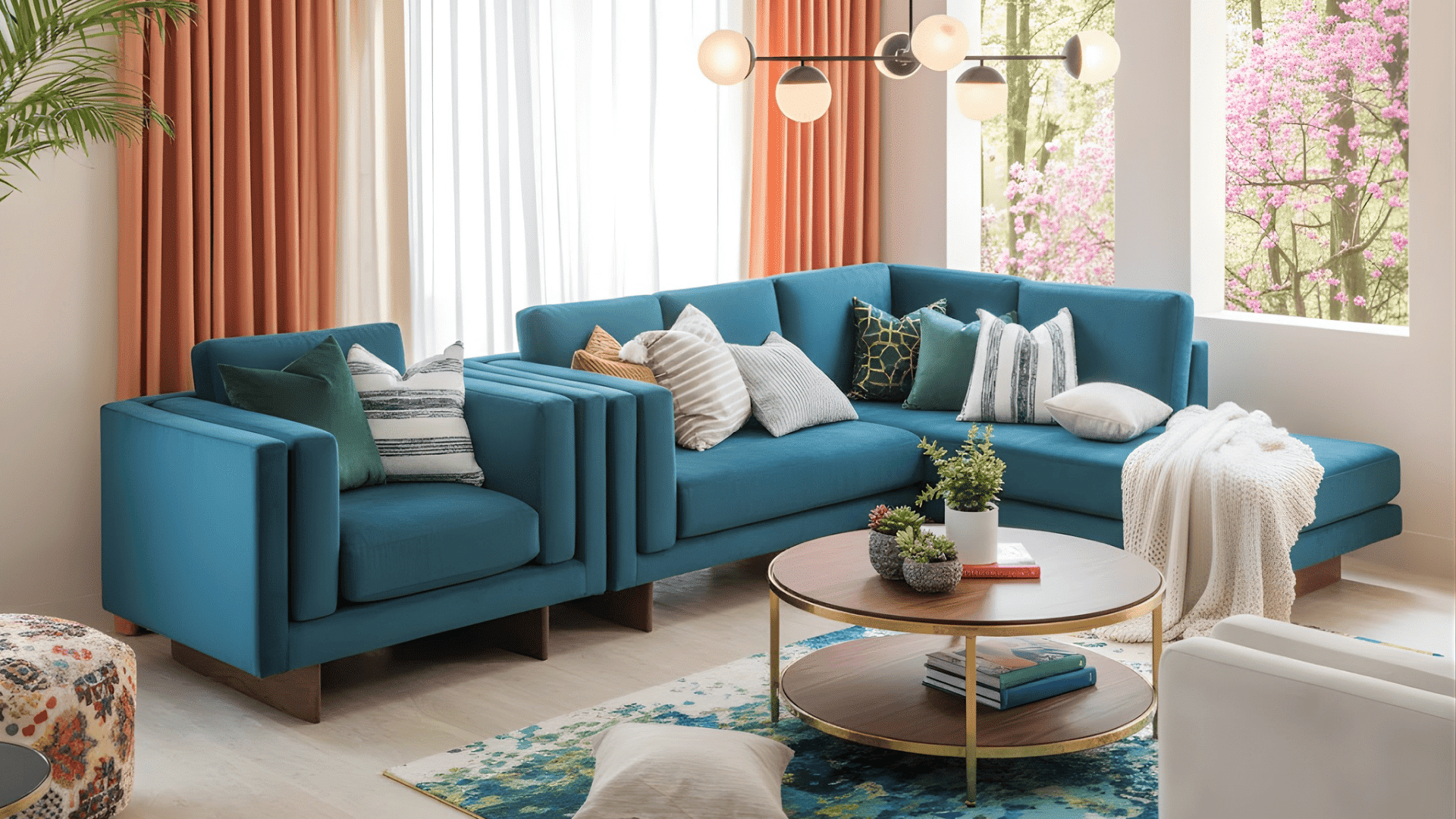

Living room layouts often look best on paper.
Perfectly spaced furniture, symmetrical seating, clear walkways that don’t quite match real life. In actual homes, living rooms carry movement, noise, pauses, and people passing through without thinking about design at all.
What families end up using isn’t always what they planned.
Over time, many notice that the layouts that work best are the ones that quietly support daily habits rather than ideal arrangements.
Layouts that get used tend to feel natural, forgiving, and easy to return to.
One common pattern people rely on is furniture that faces each other rather than the room itself.
When seating naturally supports conversation, people stay longer. They sit instead of standing. They talk instead of passing through. The room begins to function as a gathering place rather than a transition zone.
This doesn’t require matching furniture or perfect alignment. It simply allows people to connect without adjusting their bodies constantly.
Another layout choice that actually gets used is leaving clear space through the center of the room.
When pathways feel obvious, movement becomes effortless. People don’t have to think about where to walk or how to pass someone else. The room feels calmer because the body isn’t navigating obstacles.
Families often find that removing one unnecessary piece of furniture changes how the entire room feels.
People also tend to use layouts that allow multiple activities to happen at once.
A couch where someone can rest, a corner where a child can play, a chair where someone can sit quietly. When a room supports different energy levels without overlap, everyone feels more comfortable.
The room works because it doesn’t force everyone into the same behavior.
Layouts that place seating slightly closer together are also used more often than expected.
When chairs and sofas feel reachable, conversation feels easier. The space feels warmer and more contained. Large gaps can make a room feel formal even if that wasn’t the intention.
People naturally gravitate toward layouts that reduce distance rather than increase it.
Another idea people actually use is orienting furniture around how the room feels, not just what’s in it.
Sometimes the most-used layout isn’t centered on a television or a focal wall, but on light, comfort, or flow. Families often rearrange seating to face windows, softer lighting, or quieter areas.
What feels good tends to get used more than what looks balanced.
Flexible layouts are another common choice.
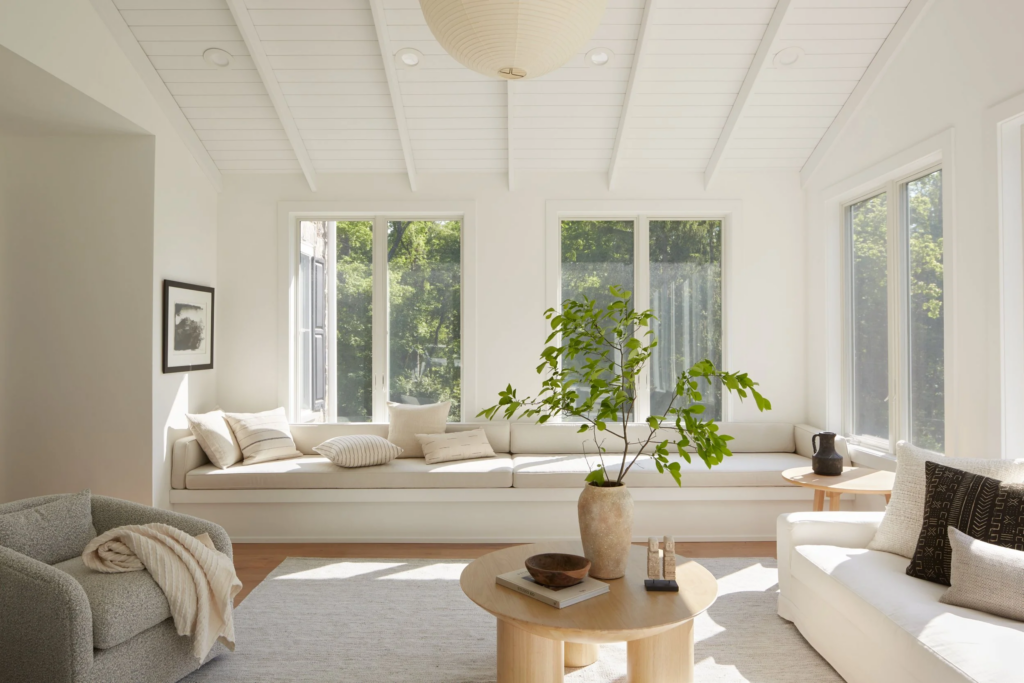
Furniture that can be moved easily, shifted slightly, or adjusted for different moments tends to stay in use longer. When a room can adapt to guests, quiet evenings, or busy afternoons, it feels supportive rather than fixed.
People use layouts that don’t demand constant resetting.
Corners also play a larger role than many expect.
A chair angled slightly away from the main seating area, a small side spot for quiet moments, or a soft boundary between activities gives the room depth. These spaces often become favorites because they offer comfort without isolation.
Used layouts tend to respect both togetherness and personal space.
Families also rely on layouts that keep surfaces reachable but not central.
Side tables within arm’s reach, lamps close enough to use easily, and surfaces that don’t interrupt movement make the room feel functional. When everyday actions don’t require standing up or navigating around furniture, the layout stays in use.
Practical ease keeps layouts relevant.
Another pattern people stick with is arranging furniture based on how the room is entered.
Layouts that acknowledge doorways, entry points, and natural movement feel smoother. When furniture placement aligns with how people already move, the room feels intuitive.
People tend to abandon layouts that fight against natural flow.
Importantly, the layouts people actually use rarely feel finished.
They evolve. Chairs shift slightly. Tables move closer. Spaces adjust based on season, routine, or mood. The layout stays useful because it stays responsive.
A living room that adapts often feels more lived in and more comfortable.
What makes these layouts last isn’t design knowledge.
It’s attention to how the room feels during real moments—where people pause, where they sit, where they avoid. Families adjust layouts until the room stops asking for effort.
When a layout works, it almost disappears.
People stop thinking about where to sit or how to move. The room simply supports what’s happening inside it.
That ease is what keeps layouts in use.
A Gentle Closing Reflection
Living room layout ideas people actually use tend to have one thing in common.
They follow life instead of directing it.
When a room is arranged around comfort, movement, and everyday habits, it naturally stays relevant. People return to it without thinking. They use it because it works.
The best layouts aren’t the ones that look right.
They’re the ones that quietly feel right.
AI Insight:
Many families notice that the living room layouts they keep are the ones that support natural movement and conversation without needing constant adjustment.


