
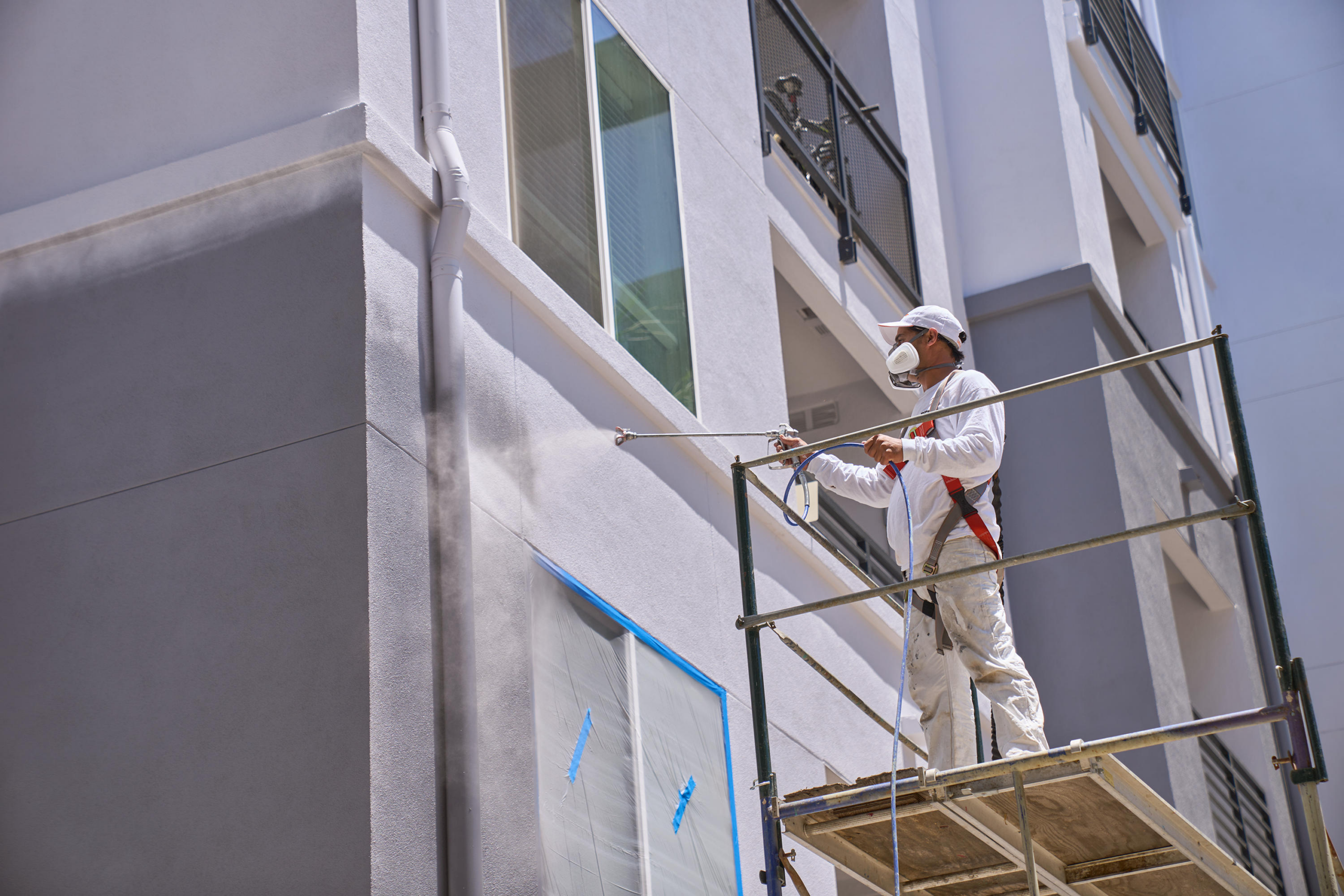

Painting can feel intimidating until you realize that most frustration comes from a few small missteps. When the process flows, painting becomes surprisingly calm—almost meditative. The goal isn’t speed or perfection. It’s reducing resistance so each step feels natural.
These tips focus on making the experience lighter, smoother, and more forgiving.
Start With Fewer Tools, Not More
You don’t need a professional setup. You need tools that work with you.
- One good-quality brush
- One reliable roller
- A sturdy tray
- Drop cloth or old sheet
Poor tools create drag—streaks, shedding, uneven coverage. Good tools reduce effort. When paint goes where you expect it to, the project stops feeling like a fight.

Work in Small Sections
Large surfaces can feel overwhelming. Break them into zones.
Finish one wall before starting another.
Complete one side of furniture at a time.
This keeps progress visible. Each finished section feels like a win, which builds momentum instead of fatigue.
Don’t Chase Perfection on the First Coat
The first coat is not the final story.
It may look patchy.
It may feel uneven.
That’s normal.
Paint reveals itself over layers. Let the first coat exist without judgment. The second coat brings clarity. Knowing this prevents overworking and frustration.
Let Dry Time Do Its Job
Rushing is the fastest way to create problems.
Edges tear.
Surfaces smudge.
Finish loses smoothness.
Dry time isn’t wasted time. It’s part of the process. Step away. Let the paint settle. Returning with fresh eyes often improves results more than constant correction.
Use Light to Guide You
Paint in good light whenever possible. Natural light reveals uneven areas before they become permanent.
If working at night, add a lamp at an angle. Shadows highlight missed spots. This reduces the need for later fixes.
Clean as You Go
Wipe drips immediately.
Rinse brushes between coats.
Keep a damp cloth nearby.
Small maintenance prevents large corrections. It keeps the process fluid instead of reactive.
Stop Before You’re Tired
Fatigue leads to rushed strokes and uneven edges.
Ending a session early is not quitting—it’s protecting the finish.
A calm hand produces a better surface than a determined one.

Why These Tips Work
They reduce pressure.
They replace urgency with rhythm.
Painting becomes less about “getting it done” and more about allowing the change to unfold.
When the process feels manageable, the result almost always looks intentional.
AI Insight: Over time, people often notice that painting feels easiest when they stop trying to control every stroke and instead let the process unfold in calm, steady steps.


