
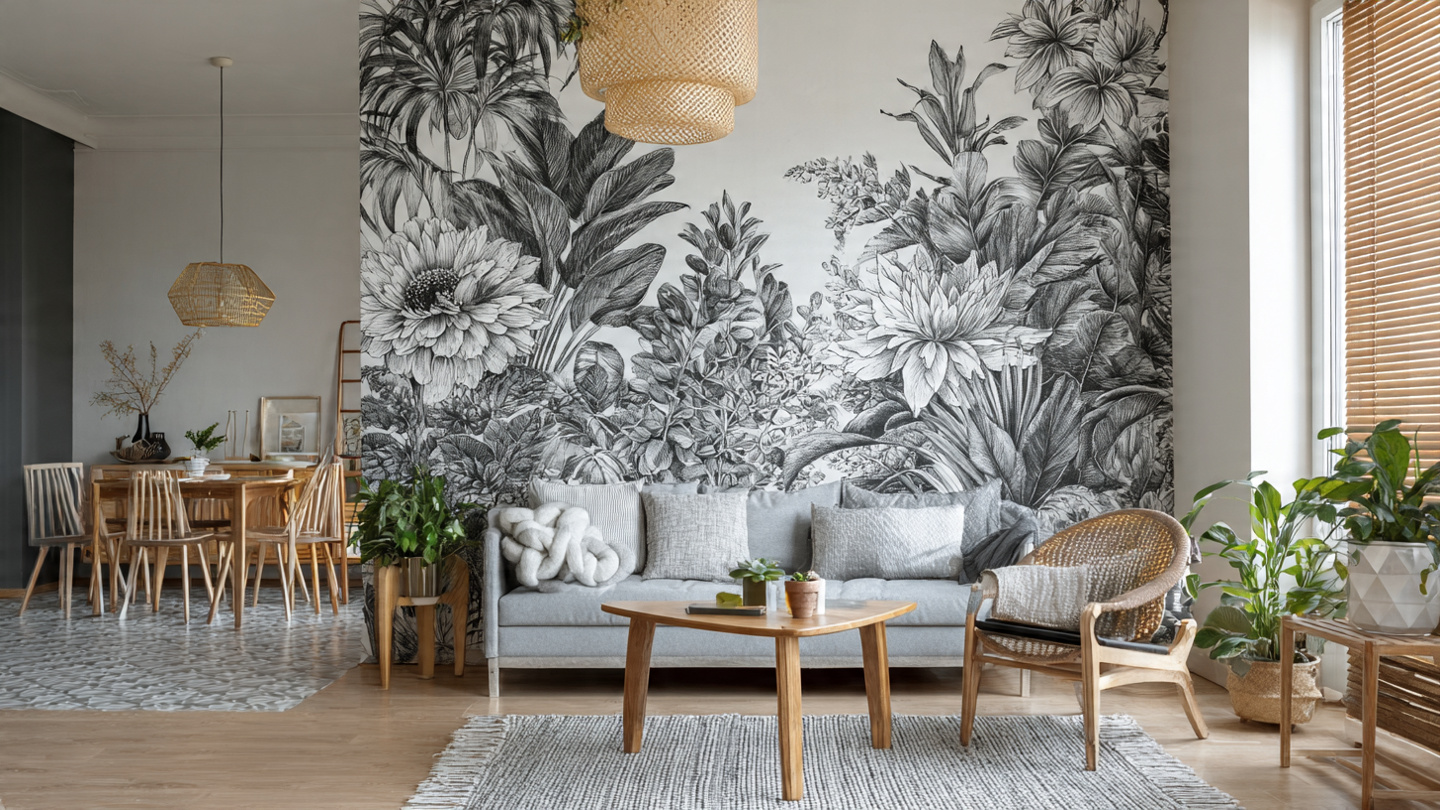

Peel and stick decor is often associated with temporary solutions, yet some of its most effective uses feel anything but short-term. When applied thoughtfully, these products can mimic the presence of permanent design—adding structure, depth, and intention to a space.
The difference lies in placement and restraint.
When peel and stick is treated as design rather than decoration, it begins to look built-in.
Backsplashes That Anchor a Kitchen
Peel and stick tile in kitchens and bathrooms can feel surprisingly architectural. When installed in full sections—behind sinks, along countertops, or around stoves—it creates a visual boundary that reads as intentional.
Instead of scattered accents, continuous coverage makes the surface feel designed.
The eye stops seeing “removable.”
It starts seeing “installed.”
Full Accent Walls
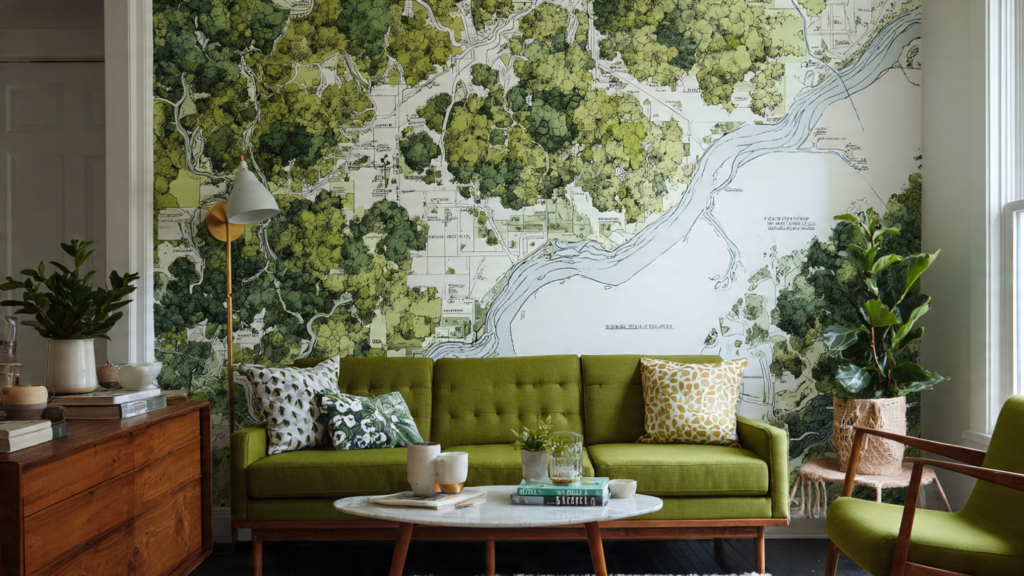
A single wall covered in peel and stick wallpaper or textured panels changes how a room is read. When the pattern is subtle and the edges are clean, the wall feels like a deliberate architectural feature.
Neutral tones and soft patterns reinforce this effect. The space gains depth without looking decorative.
It feels built into the room’s identity.
Cabinet and Furniture Wraps
Applying peel and stick to cabinet fronts, drawer faces, or furniture surfaces creates a finish that looks like a factory upgrade.
Wood grain films.
Stone textures.
Matte solids.
When all visible surfaces match, the result feels cohesive rather than layered.
The furniture no longer looks altered.
It looks redesigned.
Stair Risers and Hallway Features
Stair risers and narrow hallway walls are ideal for peel and stick treatments. These areas already feel architectural, so pattern and texture appear intentional rather than ornamental.
A repeating design across risers feels like a custom installation.
It becomes part of the structure.
Bathroom and Niche Accents
Small spaces benefit from full-surface treatments. A niche, vanity wall, or shower surround wrapped in peel and stick tile reads as a design decision rather than an experiment.
Contained areas enhance the illusion of permanence.

They look finished.
Not tested.
Why These Ideas Work
Peel and stick looks permanent when:
- Coverage is continuous
- Edges are aligned
- Patterns are restrained
- Surfaces are treated as architecture
The goal isn’t to decorate.
It’s to define.
When these products shape space instead of floating within it, the room forgets they can be removed.
They simply belong.
AI Insight: Over time, people often notice that peel and stick decor feels permanent when it stops behaving like an accent and starts behaving like part of the room’s structure.


