
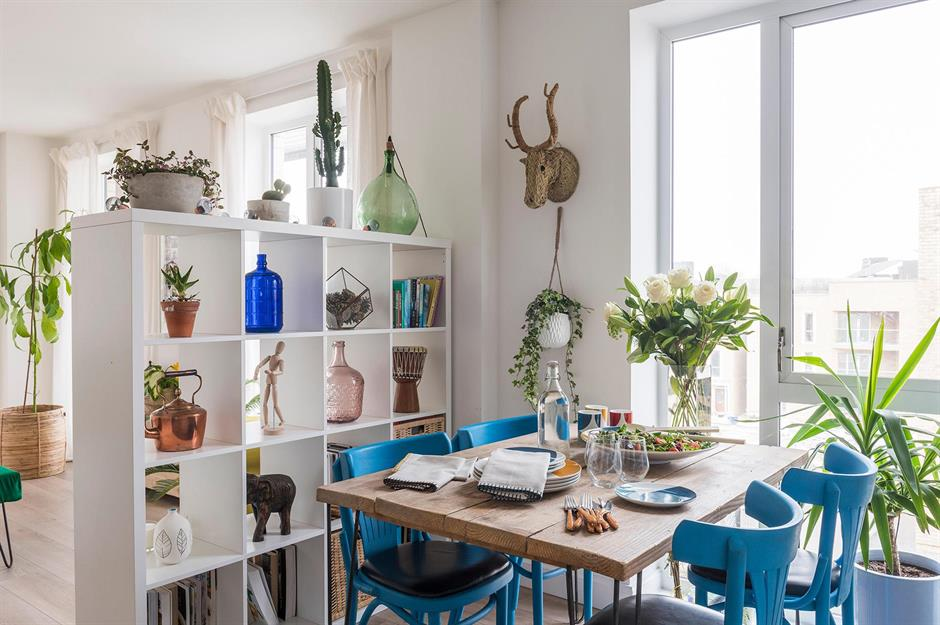
A rental home is often treated as temporary, even when it becomes a place where months or years unfold. The furniture may change, the address may not last, but daily routines still settle in. Over time, renters have learned to shape their spaces gently, using small, reversible changes that leave no trace behind.
Renter hacks sit at the intersection of limitation and creativity. Leases restrict drilling, painting, or structural changes, yet the need for comfort and identity remains. Digital tools and smart accessories now support this balance, offering ways to personalize and organize without altering what cannot be altered.
✨ AI Insight:
As connected devices became smaller and more affordable, they shifted from “installed systems” to movable companions, making it easier for temporary spaces to feel responsive without becoming permanent.
The Rise of Portable Comfort
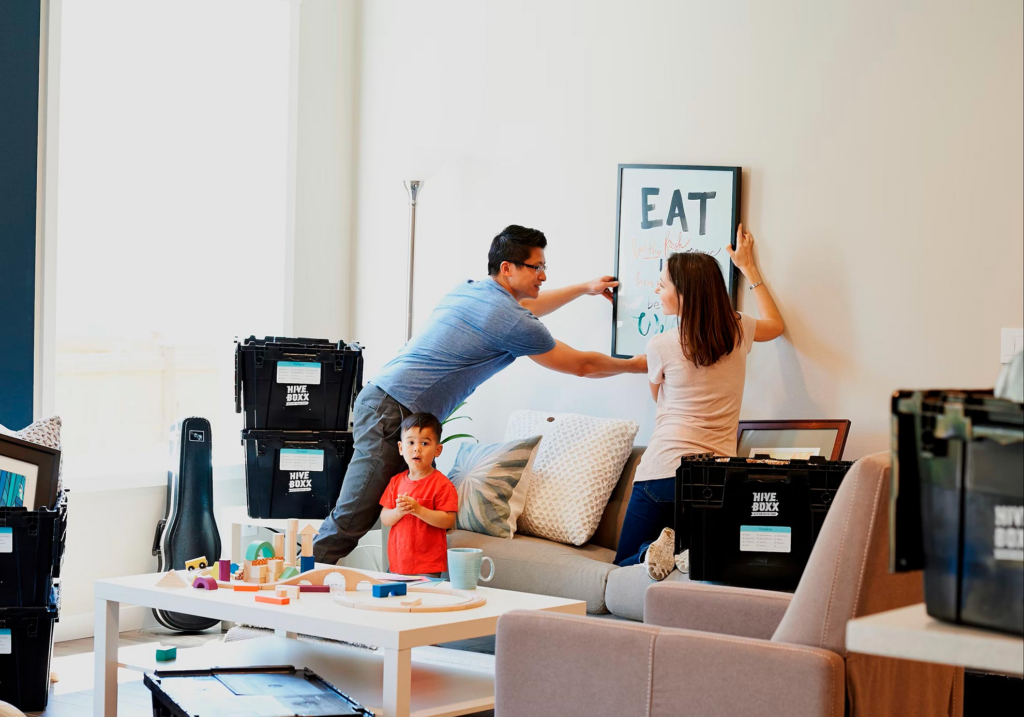
Traditional home upgrades assume permanence. Built-in shelves, wired lighting, and wall-mounted controls all rely on ownership. Renters, by contrast, need solutions that travel.
Portable smart lamps, plug-in light strips, and wireless speakers create atmosphere without attachment. A corner can become a reading nook with a single outlet. A bedroom gains warmth through a lamp that remembers evening settings.
These tools treat comfort as something that follows the person, not the property. When moving day arrives, they leave with the renter.
The interior becomes adaptable. Rooms no longer feel like borrowed containers. They respond to habit.
Light Without Paint
One of the most common frustrations in rentals is color. Walls are neutral by design, often uniformly pale. Changing them is rarely permitted.
Lighting becomes a substitute for paint. Warm bulbs soften stark rooms. Cooler tones make small kitchens feel cleaner. Light strips under cabinets or behind headboards add depth without touching the surface.
The room’s mood shifts without leaving a mark. When removed, nothing remains but the original wall.
This approach respects the boundaries of renting while allowing expression. The space gains character through atmosphere rather than alteration.
Storage That Floats
Storage is another challenge. Rental layouts often lack built-ins, and drilling for shelves is discouraged. The solution has increasingly become adhesive, magnetic, or tension-based.
Hooks that peel away cleanly hold keys and towels. Tension rods create vertical storage in closets and kitchens. Magnetic strips organize tools or spice jars.
Digital measuring tools support these setups. By quickly checking widths and heights, renters choose fittings that sit securely without damage.
The result is a home that feels organized without feeling altered. Surfaces remain intact. Function improves.
Sound as Soft Architecture
Noise defines how comfortable a space feels. Thin walls, echoing rooms, and street sound can erode calm.
Portable sound solutions—white noise devices, smart speakers with ambient modes, or compact fans—reshape acoustic space. They do not insulate, but they mask and soften.
A bedroom becomes quieter without construction. A living room gains warmth through background sound. These changes are temporary yet transformative.
Sound becomes part of interior design, not an afterthought.
Climate That Moves With You
Built-in climate systems belong to the property. Renters often inherit thermostats they cannot change.
Portable heaters, fans, and air purifiers now include simple automation. They turn on at set times, adjust intensity, and respond to room conditions.
The comfort layer becomes personal. A desk area can be warmed without heating the entire apartment. A bedroom can be cooled without altering building systems.
These devices respect the boundary between tenant and structure. They operate within the renter’s sphere.
Digital Planning for Temporary Space
Even temporary homes benefit from planning. Room-mapping apps and simple layout tools help renters visualize furniture before lifting it.
This prevents awkward arrangements and wasted effort. It also encourages experimentation. A sofa can be tested virtually before being dragged across the floor.
The room becomes a flexible canvas. Ideas are tried, not committed.
This is especially valuable when walls cannot be changed. Layout becomes the primary design language.
Hiding Without Removing
Some rental features are functional but visually disruptive: exposed cables, mismatched fixtures, dated vents.
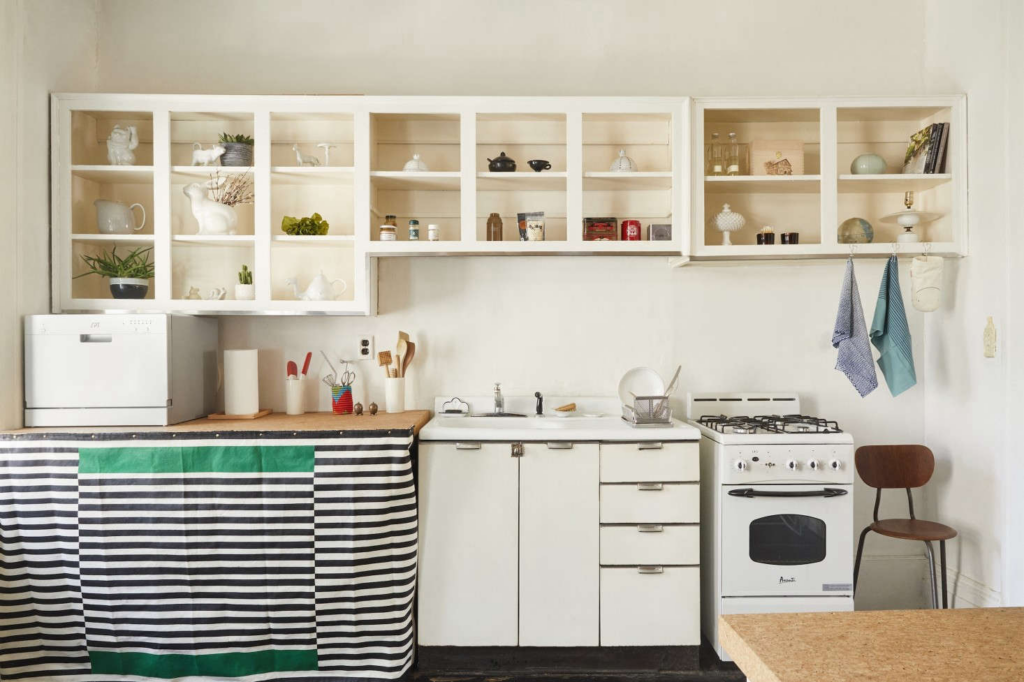
Cable organizers, adhesive covers, and smart plugs reduce visual noise. Wires disappear along baseboards. Switches become less central. Lamps replace overhead glare.
The renter does not remove anything. They layer over it.
The interior feels more intentional without violating rules.
Building a Sense of Ownership
The most important shift is emotional. When a space responds to routine, it begins to feel owned, even if it is not.
Lights that warm in the evening. Music that plays in the morning. A fan that starts before sleep. These behaviors build familiarity.
The home learns rhythm without claiming permanence.
This sense of belonging matters. It affects how people care for their space and how settled they feel within it.
Renter hacks are not about rebellion against rules. They are about inhabiting within them.
Why It Matters
Renting is now a long-term reality for many people. Treating rental homes as placeholders underestimates their role in daily life.
Small, reversible changes allow renters to experience comfort, identity, and control. Digital tools amplify this possibility by making upgrades portable and non-invasive.
The home becomes responsive without becoming altered. This preserves both freedom and stability.
A space that can be shaped without consequence encourages care rather than detachment.
The history of interior design often centers on ownership. Yet much of life unfolds in spaces that are borrowed.
Renter hacks acknowledge this reality. They treat temporary homes as worthy of attention.
Technology does not change the lease. It changes how that lease is lived within.
By staying light, movable, and quiet, these tools respect both the space and the person inhabiting it.
A rental may never be permanent. But it can still feel complete.