
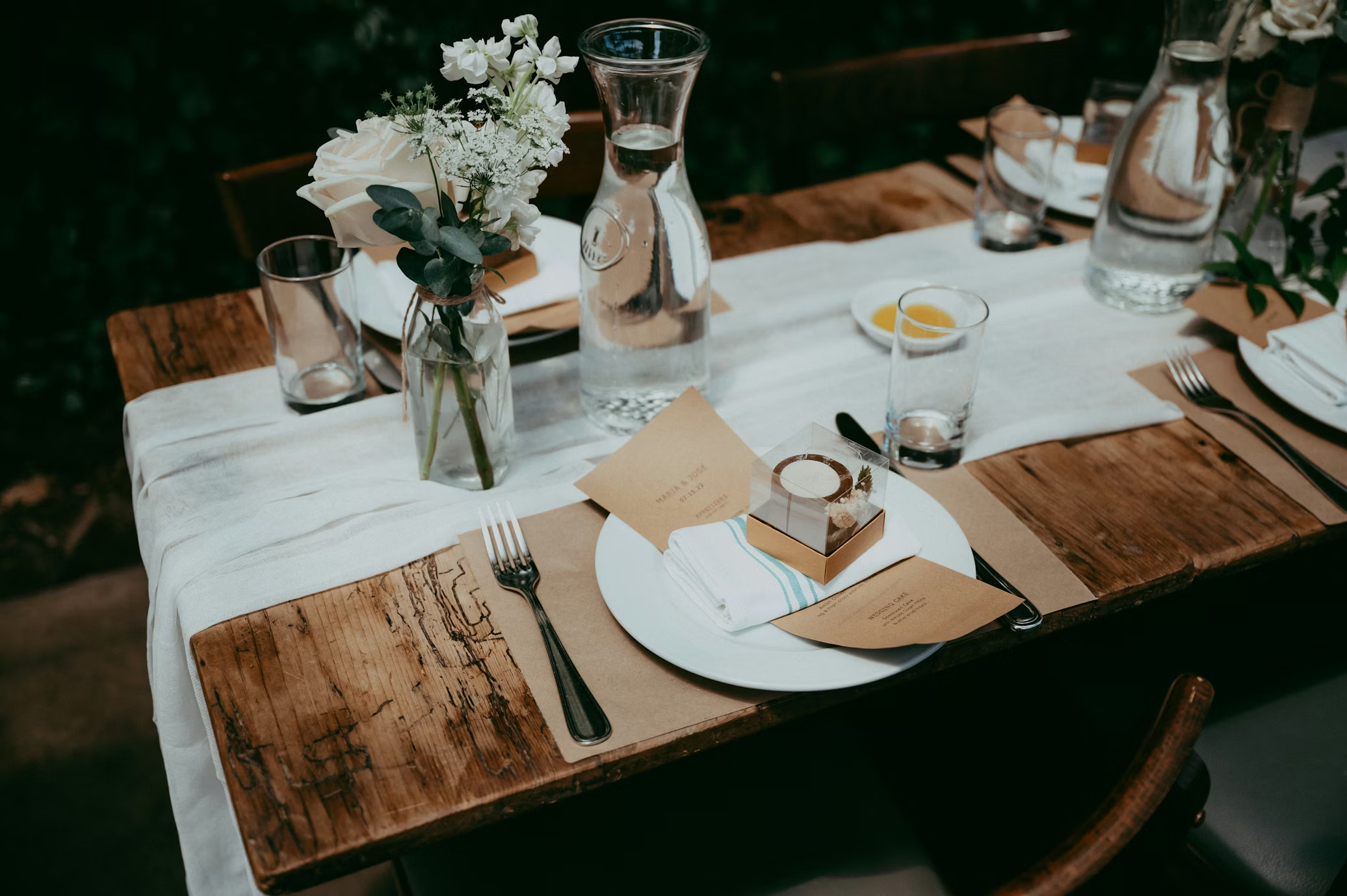

A dining area can feel off even when everything looks fine.
Chairs fit. The table is centered. Yet movement feels awkward, conversations feel slightly interrupted, and people hesitate without knowing why. Many families notice these moments not during meals, but while sitting down, standing up, or passing through.
Improving flow in a dining area usually doesn’t require big changes.
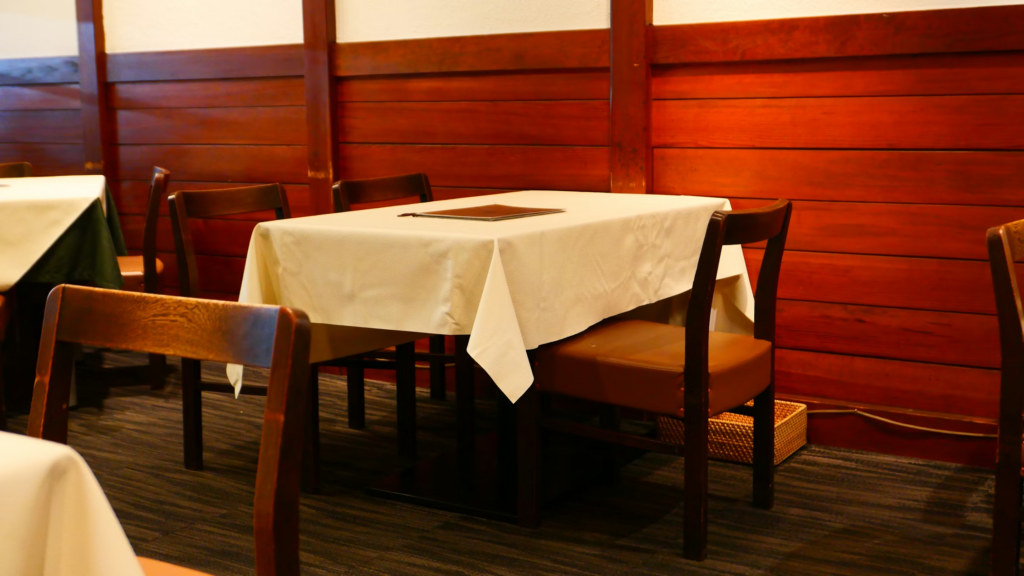
It often comes from small adjustments that help the space respond more naturally to how people move and gather.
Flow Begins With How People Enter and Exit
One of the first places flow improves is at entry points.
When chairs block walkways or the table sits too close to a passage, the body stays alert. People pull chairs in too tightly or hesitate before moving through the space.
Even a small shift—sliding the table slightly or redefining the main walking path—can make movement feel smoother.
When entering and exiting feels easy, the entire dining area feels calmer.
Spacing Shapes the Experience
Flow improves when spacing feels generous enough to move without thinking.
Dining areas that feel cramped often interrupt conversation because people are focused on navigating around one another. When there’s room to pull out a chair or walk past without squeezing, attention stays on the moment.
This doesn’t require a larger room.
It comes from allowing enough space where movement naturally happens most.
Furniture That Supports Natural Movement
Another quiet change that improves flow is how furniture interacts with movement.
Chairs that are easy to slide, tables that don’t dominate the room, and pieces that feel proportionate help the dining area feel lighter.
When furniture works with the body instead of against it, movement becomes fluid.
The space stops feeling like something to navigate and starts feeling like somewhere to gather.
Clear Surroundings Reduce Interruption
Flow also improves when the area around the dining space feels visually calm.
When nearby surfaces are crowded or edges feel busy, the eye keeps scanning. That subtle distraction can interrupt how relaxed the space feels.
Clearing one nearby surface or simplifying what’s within view helps the dining area feel more contained and intentional.
Visual ease supports physical flow.
A Gentle Closing Reflection
Simple dining area changes improve flow by reducing friction.
When movement feels natural, spacing feels supportive, and the room asks for less adjustment, meals feel easier. People settle in more quickly. Conversations feel less interrupted.
A dining area with good flow doesn’t call attention to itself.
It simply allows people to come together without thinking about the space at all.
AI Insight:
Many people notice that dining areas feel more comfortable when movement happens naturally without needing to adjust chairs or pathways.


