
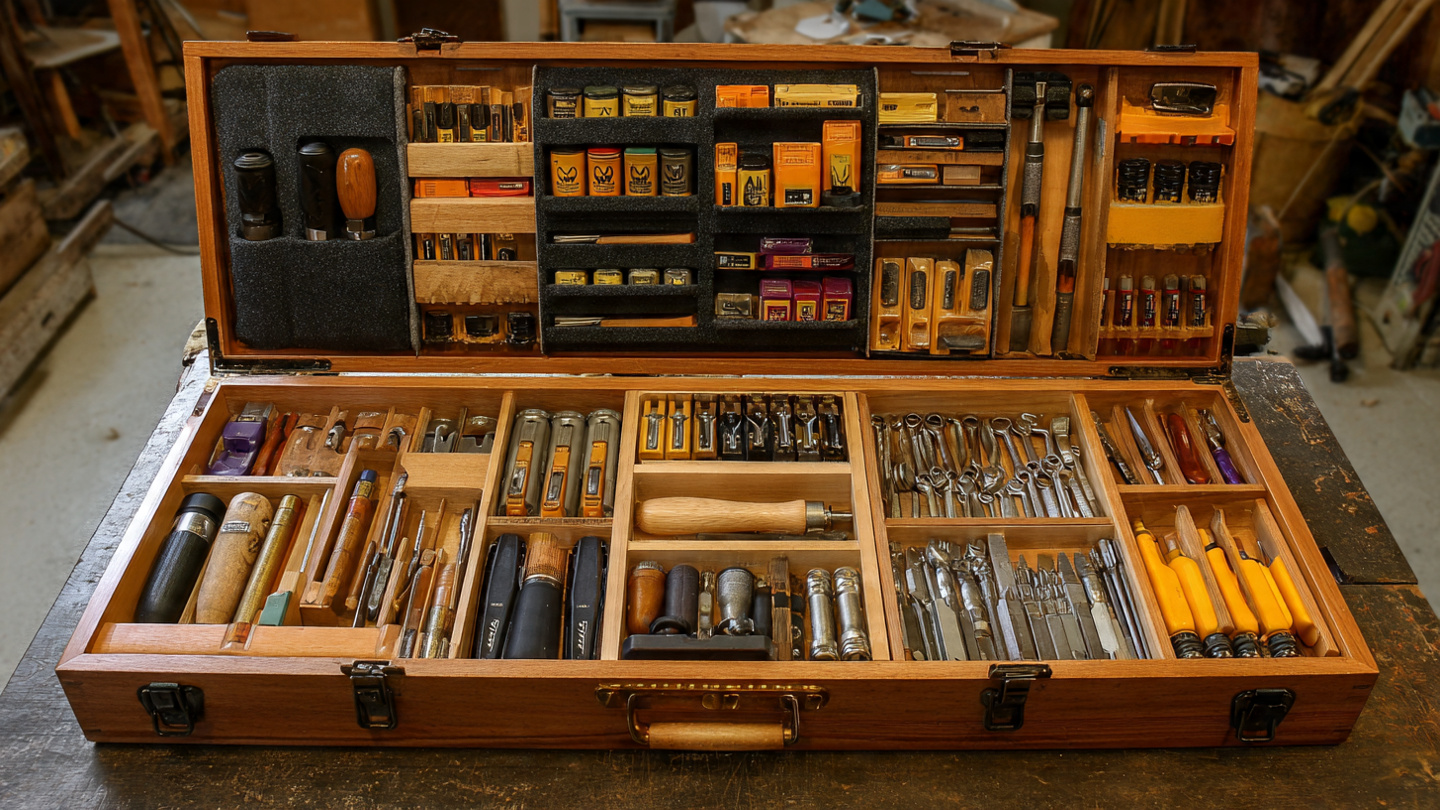


No-drill storage is often misunderstood as temporary or fragile. Many people assume that without screws or anchors, shelves will fall, hooks will fail, and systems will collapse under daily use. In practice, reliability doesn’t come from permanence—it comes from how well a solution matches its purpose.
What makes no-drill storage dependable is not force.
It’s fit.
When the right method is used in the right place, these systems feel as steady as anything mounted.
Surface Compatibility
Reliability begins with where a product is placed.
Smooth, sealed surfaces—tile, glass, finished wood, laminate, and satin-painted walls—allow adhesives to bond evenly. When the surface is clean and dry, hooks and shelves distribute weight across the adhesive instead of stressing a single point.
A hook on a dusty wall may fail.
The same hook on a clean tile wall can hold for years.
The product doesn’t change.
The surface does.
Weight Awareness
No-drill storage is designed with limits, not illusions.
Reliable setups respect those limits.
Light items belong on adhesive hooks.
Moderate weight belongs on tension systems.
Bulk belongs in freestanding units.
When storage matches the load, it becomes predictable.
Failures usually come from mismatch, not weakness.
A system built within its purpose doesn’t strain.
It settles.
Even Pressure and Balance
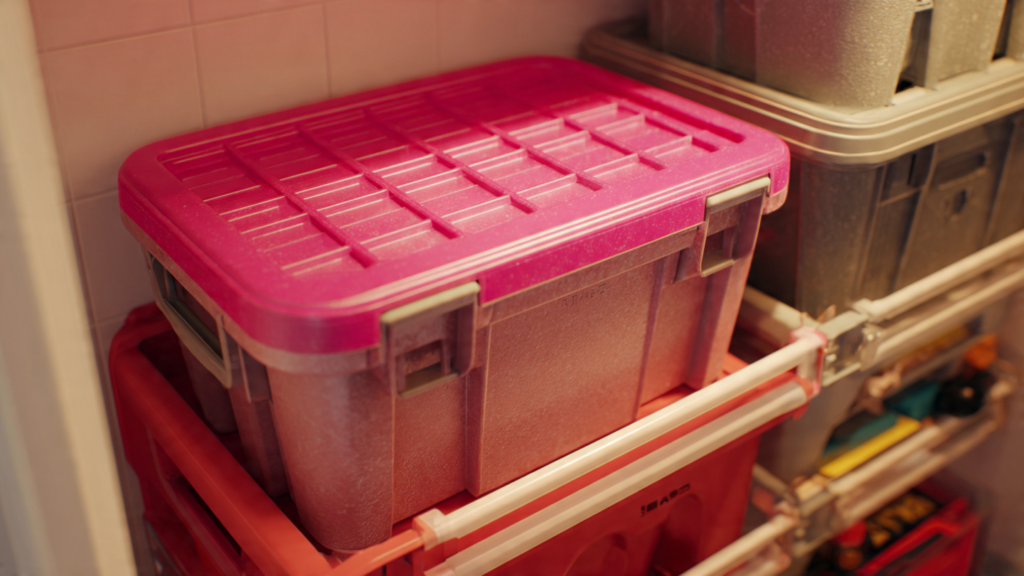
Tension rods, over-the-door racks, and removable shelves rely on distribution rather than penetration.
They work because force is spread across surfaces.
A rod presses outward.
A rack rests across an edge.
A shelf adheres along its entire base.
Nothing concentrates stress.
The room itself becomes part of the structure.
That partnership is what gives these tools their stability.
Installation With Intention
No-drill storage becomes unreliable when rushed.
Proper alignment.
Firm pressure.
Time for adhesive to set.
These steps transform a product from “temporary” to “trustworthy.”
When applied slowly and thoughtfully, the material behaves as designed.
It stops feeling provisional.
It feels built-in.
Movement That Protects
Unlike fixed hardware, no-drill systems adapt.
They can be adjusted.
They can be repositioned.
They can be removed without damage.
This flexibility reduces stress on both the product and the surface. Instead of resisting change, the system accommodates it.
Reliability emerges from cooperation, not force.
Why This Matters
A home doesn’t need to be owned to be dependable.
No-drill storage proves that stability can exist without permanence. It shows that organization can be strong without leaving scars.
What makes these systems reliable is not how tightly they attach.
It’s how well they understand the space they live in.
AI Insight: What people often discover is that storage feels trustworthy not when it’s fixed forever, but when it quietly holds exactly what it was meant to carry.


