


People often notice a living room before they realize they’re noticing it.
The feeling arrives first. A sense of ease, tension, warmth, or distance shows up almost immediately, long before anyone comments on furniture or decor. The room communicates something quietly, without explanation.
What stands out first isn’t always what’s most obvious. It’s usually what the space feels like to be in.
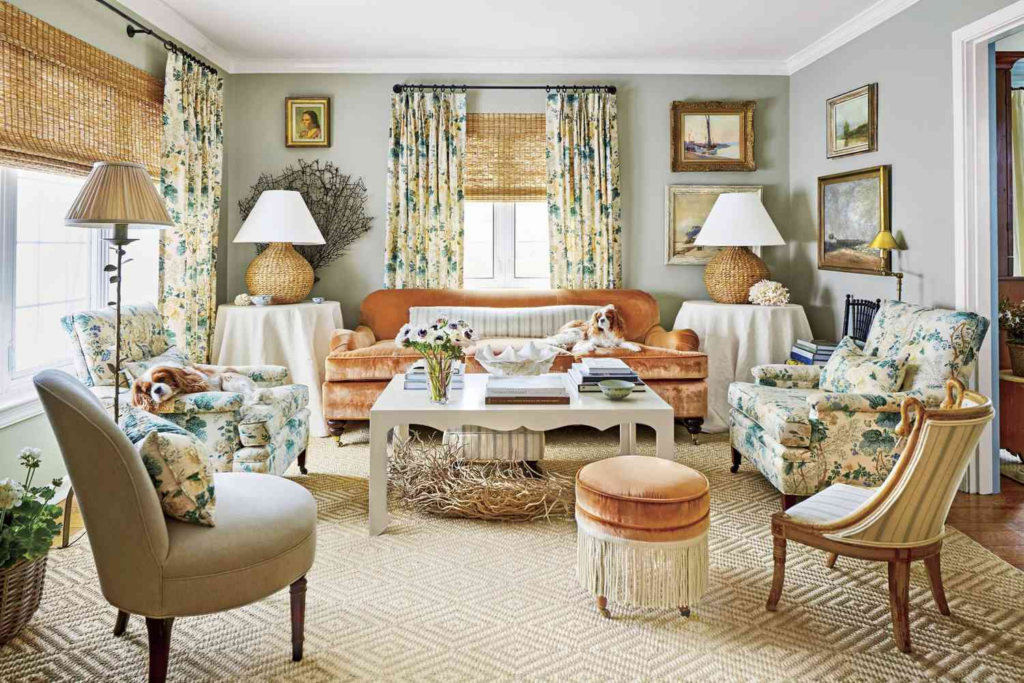
The Overall Feeling of the Space
Before individual details register, people sense the overall mood.
Does the room feel calm or busy? Open or heavy? Inviting or slightly closed off? This impression forms within moments and shapes how long someone stays and how comfortable they feel.
The emotional tone of a living room often matters more than any specific item inside it.
When a room feels easy to be in, people relax without thinking about why.
How Easy It Is to Sit and Settle
Another thing people notice quickly is how natural it feels to sit down.
If seating looks welcoming and accessible, people instinctively move toward it. If chairs feel formal, distant, or awkwardly placed, people tend to hover or stand longer.
The body responds to comfort cues immediately.
Living rooms that invite sitting tend to feel more welcoming, even if nothing else stands out visually.
Light and Openness
Light plays a major role in first impressions.
People notice whether a room feels bright or dim, soft or harsh. Natural light, balanced lighting, and gentle contrast often make a space feel open and livable.
When light feels right, the room feels alive.
If lighting feels flat or overwhelming, it can affect mood before anything else is consciously noticed.
Visual Simplicity or Busyness
People also register how visually busy a living room feels.
Spaces with clear surfaces and breathing room tend to feel calmer at first glance. When the eye isn’t pulled in many directions, the room feels easier to take in.
This doesn’t mean the room needs to be empty.
It means there’s a sense of order that allows attention to settle instead of scan.
Whether the Room Feels Lived In
Another early impression comes from how lived in the space feels.
Rooms that reflect real use—without feeling chaotic—often feel more approachable. Familiar objects, comfortable seating, and signs of everyday life can make a room feel welcoming.
People tend to relax more quickly in spaces that feel real rather than staged.
A Gentle Closing Reflection
What people notice first in a living room isn’t usually a specific piece of furniture or decor choice.
It’s the feeling the space creates.

When a living room feels comfortable, calm, and easy to settle into, everything else matters less. The room doesn’t need to explain itself.
It simply feels right to be there.
AI Insight:
Many people notice the feeling of a living room before they notice any individual detail, and that first impression often shapes how comfortable they feel inside it.


