
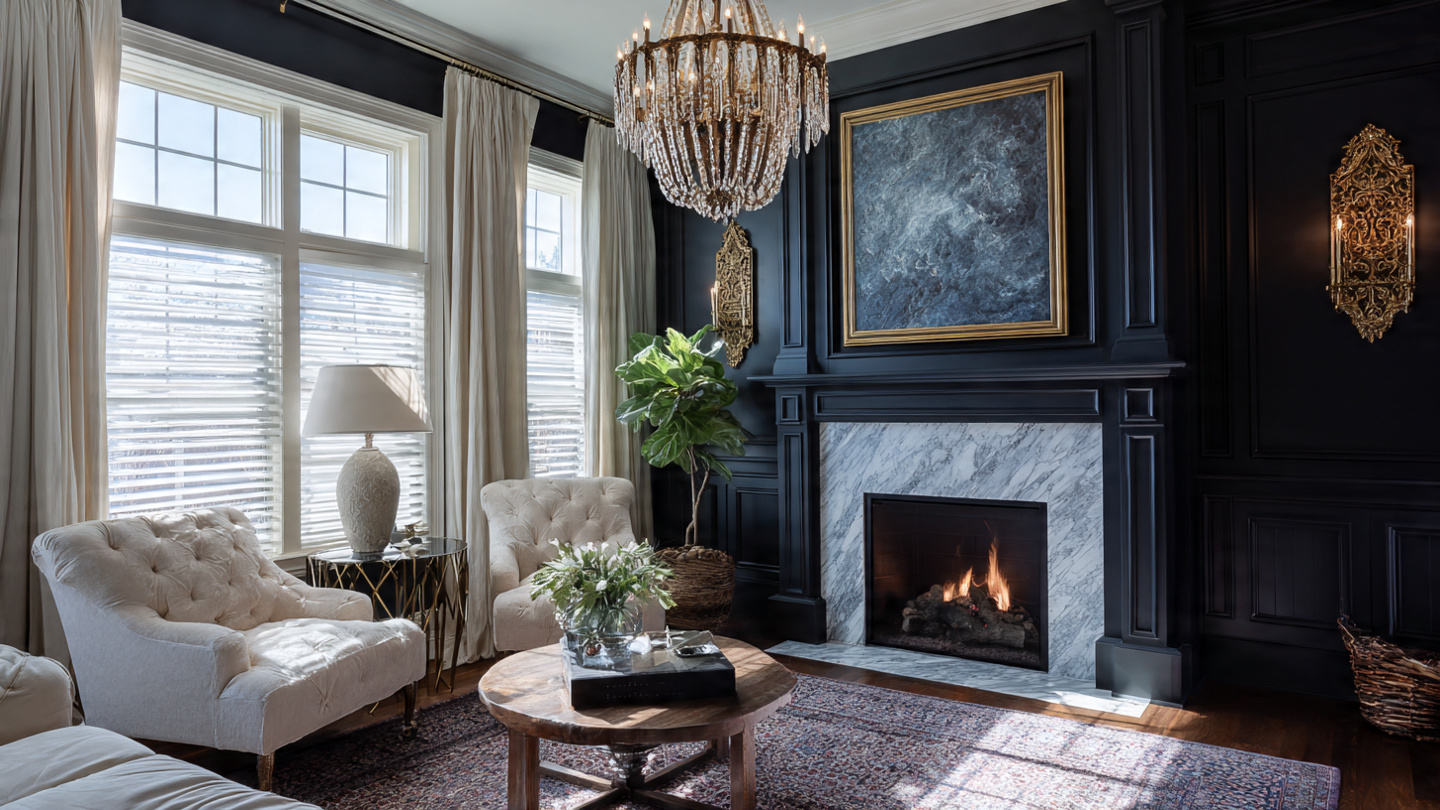

Decor is what people notice first. Lighting is what they feel first.
A room can be beautifully furnished and still feel cold, flat, or uncomfortable if the light is wrong. At the same time, even simple furniture can feel warm and intentional when light is layered thoughtfully.
Lighting shapes atmosphere before color, texture, or style ever has a chance to speak.
It doesn’t just show a space.
It defines how that space is experienced.
Light Sets the Emotional Tone
Decor communicates taste.
Lighting communicates mood.
Harsh overhead light creates distance.
Soft, low light invites rest.
Warm light feels human.
Cool light feels clinical.
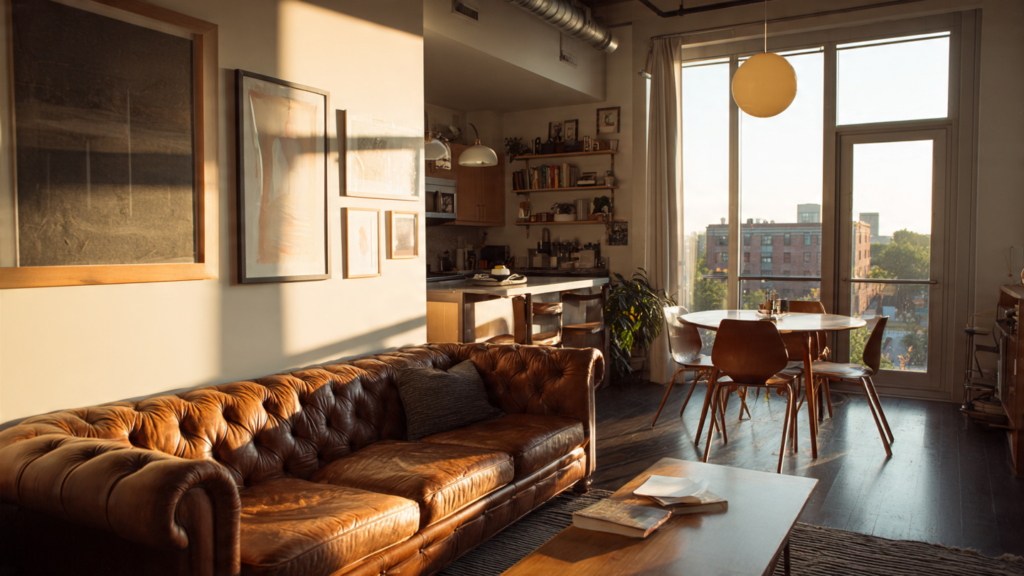
Two rooms with the same furniture can feel entirely different depending on how light moves through them.
One feels like a place to stay.
The other feels like a place to pass through.
The difference is not what’s in the room.
It’s how the room is lit.
Lighting Shapes Behavior
People respond to light instinctively.
They linger in softly lit spaces.
They move quickly in bright, exposed ones.
They relax where shadows are gentle.
They focus where light is clear.
A lamp beside a chair becomes a reading nook.
A warm glow near a bed signals rest.
A soft corner light invites pause.
No wall moves.
No furniture changes.
Yet the room learns how it’s meant to be used.
Decor Needs Light to Exist
Decor doesn’t speak on its own.
Textures need light to show depth.
Colors need light to reveal tone.
Objects need shadow to feel dimensional.
Without the right light, even beautiful decor feels flat.
Lighting gives decor a voice.
It reveals.
It softens.
It frames.
A room with minimal decor and good lighting often feels richer than a decorated room under harsh glare.
Light Makes a Space Feel Lived In
Overhead lighting feels institutional because it’s designed for function, not life.
Homes feel like homes when light arrives in layers:
- A lamp near a sofa
- A glow by the bed
- Soft light in corners
- Reflections off walls and mirrors
These layers create depth and rhythm. They mimic how light behaves naturally.
The space begins to feel inhabited rather than occupied.
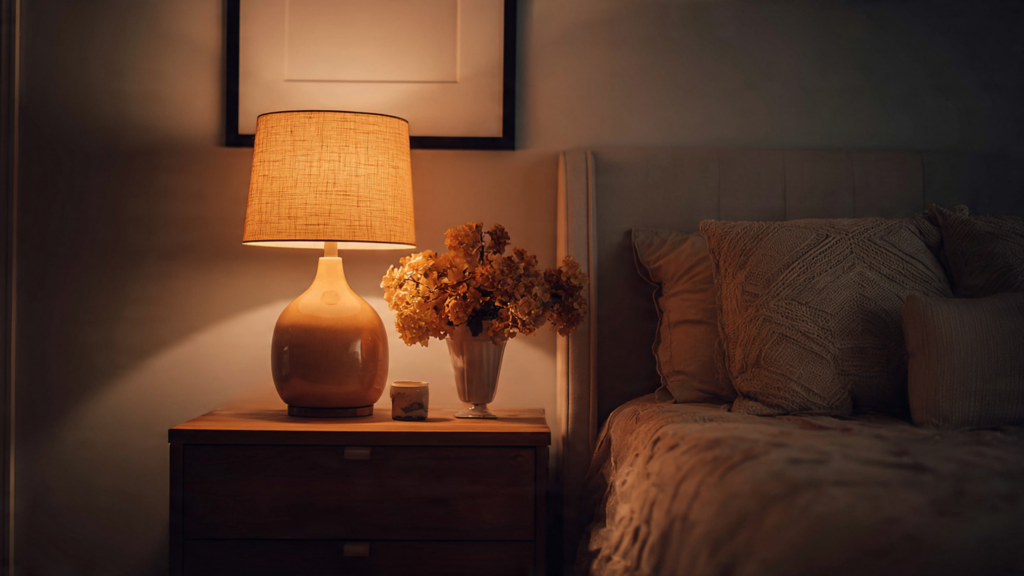
It feels intentional.
Not assigned.
Why This Matters
Decor changes what a room looks like.
Lighting changes what a room feels like.
One speaks to the eye.
The other speaks to the body.
And the body always listens first.
AI Insight: Many realize that a room feels right not when it’s filled with objects, but when the light finally begins to treat the space with softness.


