
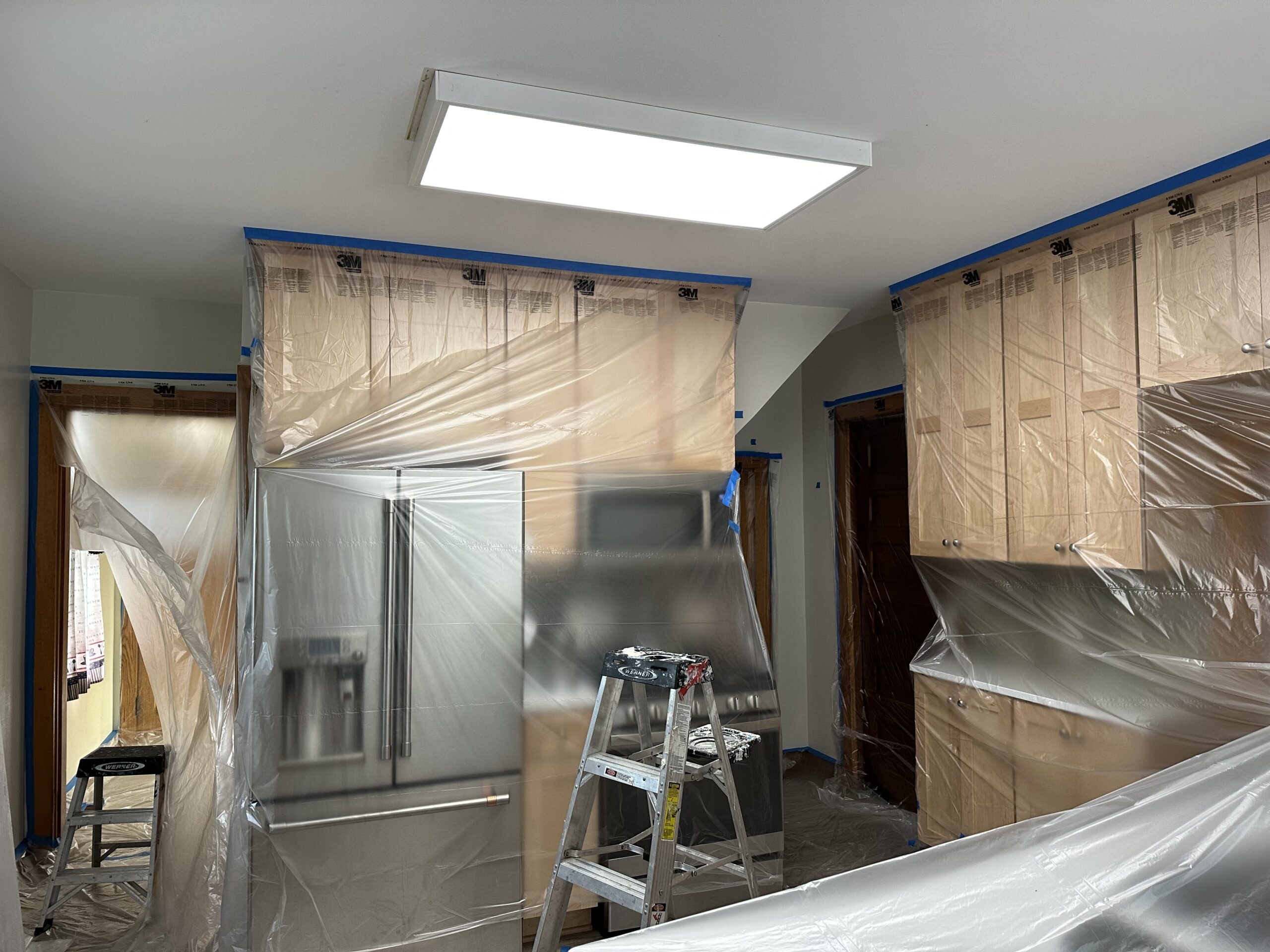

Great paint jobs rarely begin with paint. They begin with cleaning, sanding, taping, and smoothing—steps that don’t look impressive but quietly shape everything that follows.
Prep work doesn’t change color.
It changes how color behaves.
Paint applied to a prepared surface settles evenly. It grips instead of sliding. It reflects light smoothly instead of revealing bumps and streaks. The finish feels intentional rather than layered.
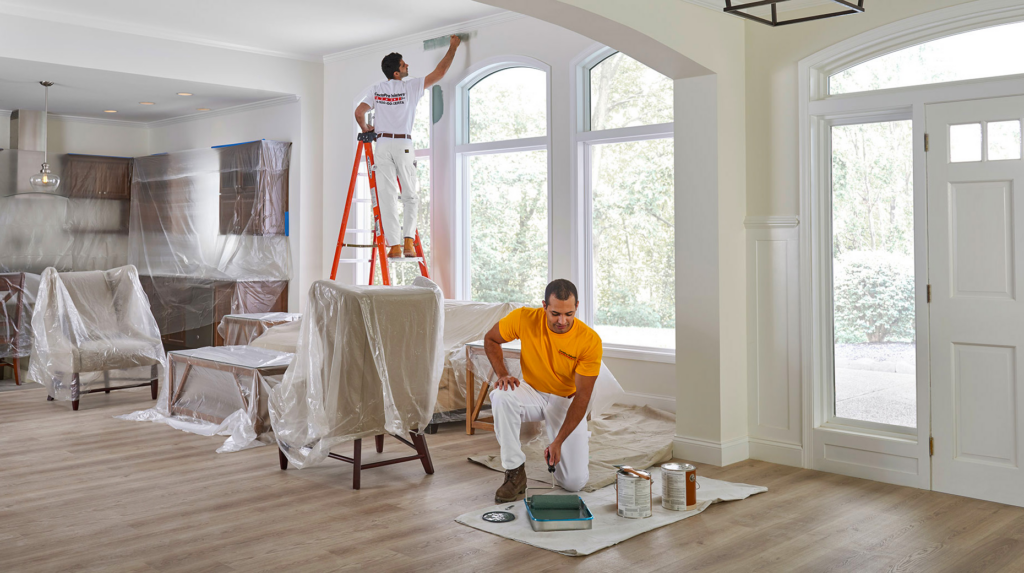
When prep is skipped, paint reveals every flaw:
- Dust becomes texture
- Grease becomes streaks
- Chips become shadows
- Uneven surfaces become obvious
What seems like a “paint problem” is often a surface problem.
Cleaning removes resistance. Sanding creates grip. Filling repairs prevents future distraction. Taping defines edges so lines feel deliberate instead of accidental.
These steps don’t make the room brighter.
They make it believable.
A well-prepped surface allows paint to become part of the object, not something sitting on top of it. The result feels calm, solid, and resolved.
Prep doesn’t add drama.
It adds credibility.
And credibility is what makes a paint job look finished rather than fresh.
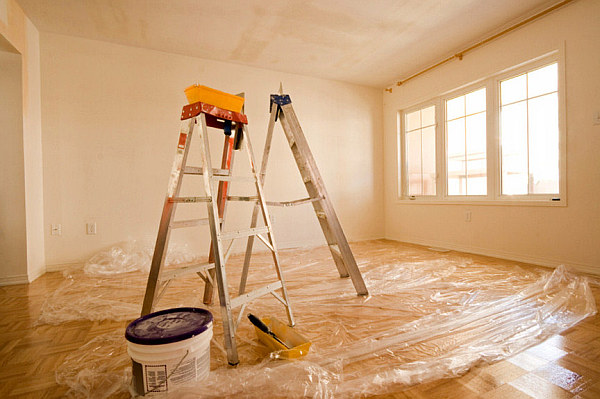
AI Insight: Over time, people often notice that the best-looking paint isn’t about the color itself, but about how smoothly it settles on a surface that was ready to receive it.


