
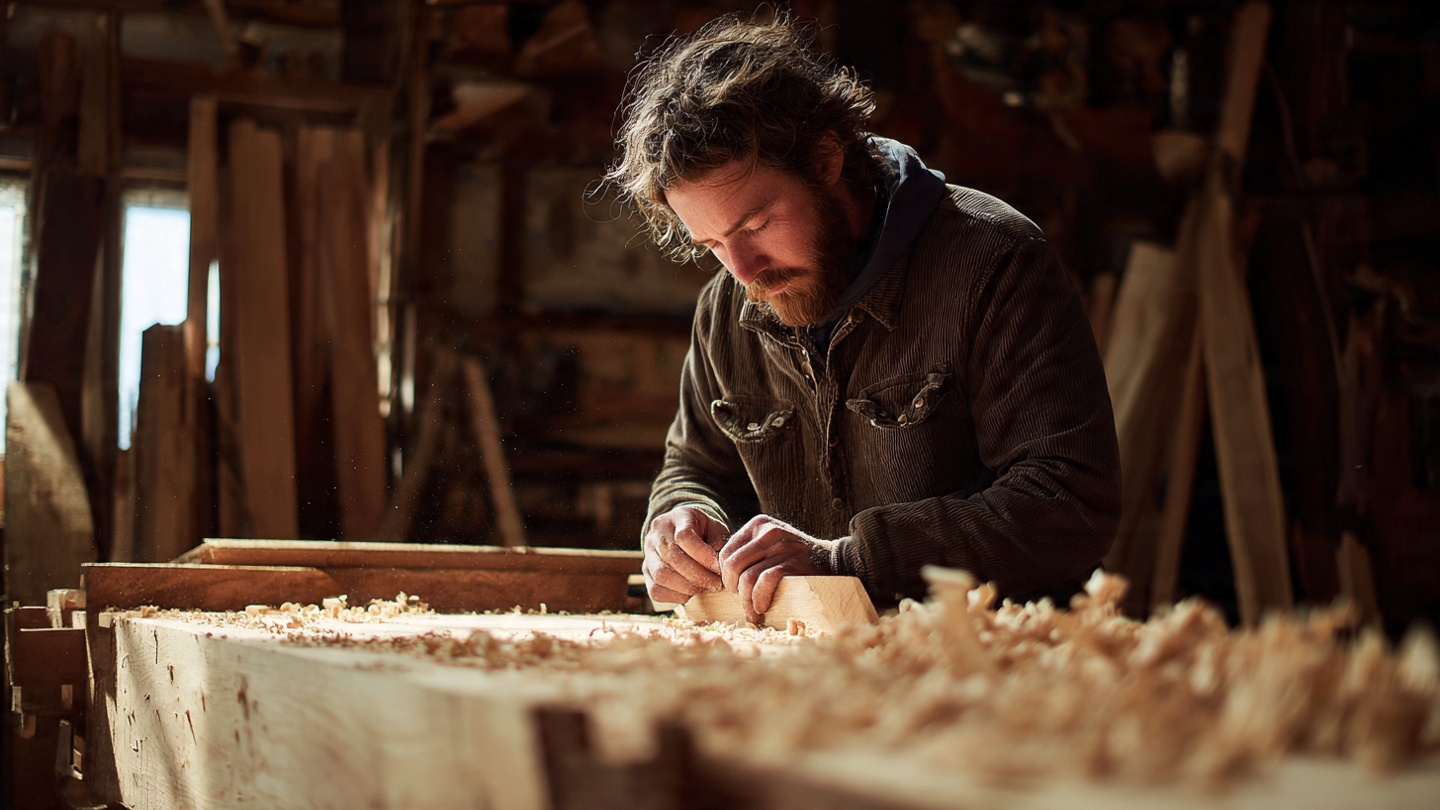

Woodworking offers a kind of satisfaction that is increasingly rare in everyday life. It begins with raw material and ends with something tangible—an object that can be touched, used, and lived with. The path between those two points is visible, honest, and shaped by hand.
That clarity is part of its appeal.
In a world filled with abstract work and digital outcomes, woodworking produces something real. A board becomes a shelf. Separate pieces become a bench. Effort turns into form.
The result exists beyond a screen.
Progress You Can See and Feel
Woodworking makes progress unmistakable.
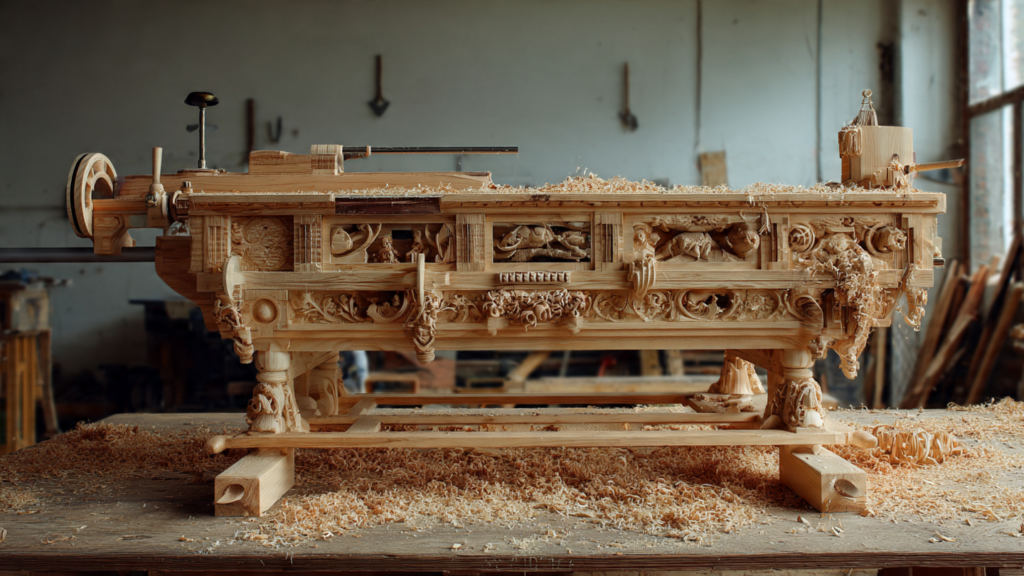
Each cut changes shape.
Each joint brings structure.
Each pass of sandpaper softens an edge.
The work speaks back immediately. You don’t have to wait for feedback or interpretation. The material responds in real time.
That responsiveness creates momentum.
You can see what you’ve done.
You can feel the difference.
You know when something improves.
Few activities offer that level of direct cause and effect.
A Rhythm That Slows the Mind
Wood resists haste.
Measurements matter.
Cuts demand attention.
Assembly requires patience.
The material sets the pace.
This rhythm pulls focus inward. Distractions fade. The hands lead. The mind follows.
The process becomes immersive not because it is complex, but because it is grounded.
Each step asks for presence.
That presence feels restorative.
The Satisfaction of Making
There is a distinct pleasure in using something you made.
A shelf holding books.
A stool beside a bed.
A box organizing a drawer.
These objects carry more than function.
They carry effort.
They remind you that you shaped part of your environment.
That sense of agency—of having altered the world, even in a small way—creates quiet pride.
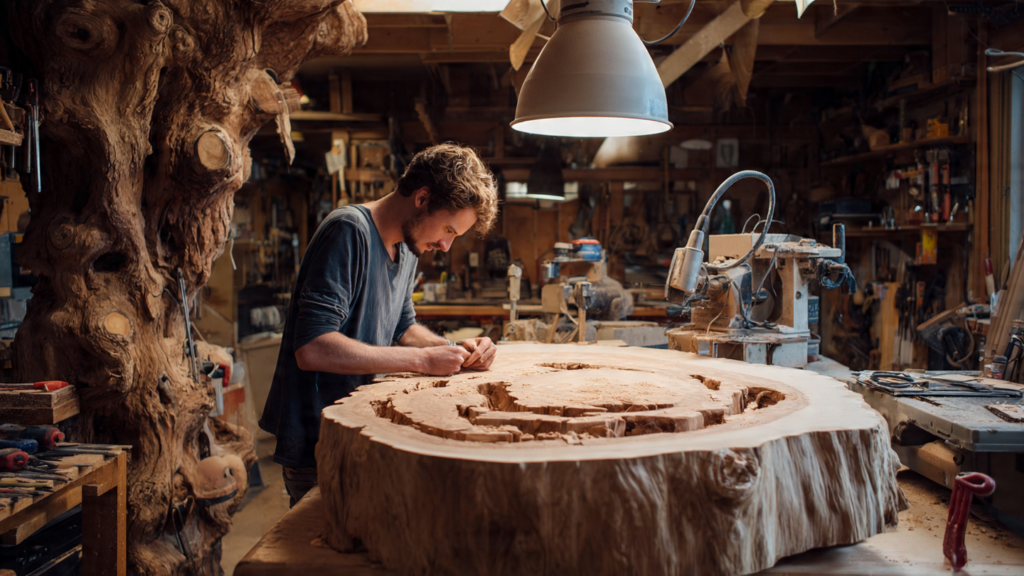
Not display.
Ownership.
Imperfection as Character
Woodworking rarely produces perfection.
Edges may soften unevenly.
Joints may show.
Grain may shift.
These details don’t diminish the piece.
They humanize it.
The object feels alive.
It tells a story.
It reflects the process.
The reward isn’t flawlessness.
It’s authenticity.
Why the Feeling Lasts
Woodworking doesn’t end when the project does.
The reward continues each time the object is used.
The bench supports weight.
The shelf holds life.
The frame protects memory.
The work becomes part of daily rhythm.
It reminds you that making is possible.
That change is tangible.
That effort becomes form.
And that quiet truth is what keeps people returning to the craft.
AI Insight: Over time, people often notice that woodworking feels rewarding not because of what is made, but because it proves that their hands can still shape something real.


